Culture news and discussion on TalkFuse.
Teachers told to ensure packed lunches are not seen as a ‘better’ option for pupils – as Labour’s school meals shake-up sees kids served more lentils and less pizza
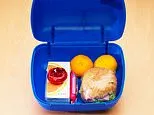
The Department for Education has published new school food standards, the first update in over a decade, which will restrict sugary drinks, ice cream and waffles, cut deep-fried food, and limit high-fat, high-salt items such as pizza and sausages. Alongside these changes, updated guidance for headteachers explicitly reminds schools to ensure packed lunches brought from home are not seen as a "better" alternative to school meals, including by banning sugary drinks, crisps and sweets, or incentives for healthy packed lunches. The overhaul aims to tackle childhood obesity and tooth decay, with ministers framing it as part of a broader package including expanded free school meals and breakfast clubs.
Desserts will need to include or be served with fruit, while more wholegrains, pulses such as lentils, and a portion of vegetables or salad will be required with every main meal. Schools must publish menus and food policies online, with the standards taking effect from September 2027 and secondary schools given until September 2028 for some changes. The move follows the extension of free school meals to all children on Universal Credit, and comes as roughly one in three children leave primary school overweight or obese and tooth decay remains the leading cause of hospital admissions for five- to nine-year-olds. Education Secretary Lucy Powell called the changes "once-in-a-generation," while school leaders' unions warned that additional funding will be needed to cover the increased costs.
In short
- New DfE school food standards restrict sugary, fried and high-fat foods
- Packed lunches must not be seen as "better" than school meals
- Unions say schools need extra funding to meet new requirements
Steelman: both sides, in good faith
The strongest fair case each way — we don't pick a winner.
The case for
Stronger school food standards could help address childhood obesity and tooth decay by making healthier meals the norm, particularly for pupils who rely on school provision. Requiring balanced menus and limiting sugary, salty and fried foods may improve children’s diets, while aligned rules for packed lunches could prevent school meals from being undermined by less healthy alternatives.
The case against
Schools and families may reasonably see the rules as limiting choice over what children eat, especially when packed lunches are prepared at home to suit individual needs or preferences. The changes could also raise costs and add work for schools already under pressure, and restricting less healthy options may make meals less appealing to some pupils, risking waste or reduced uptake.
Explained simply
School food standards set rules for the meals and drinks that schools provide. The Department for Education has updated them for the first time in more than a decade, with changes covering ingredients, menus and what schools say about lunches brought from home.
The rules apply to school leaders and caterers, while parents and pupils may notice changes to the food on offer. The government says the standards are intended to improve children’s diets, against a backdrop of concern about excess weight and tooth decay.
The changes form part of a wider school food policy that includes expanded free school meals and breakfast clubs. They are due to take effect from September 2027, with some secondary-school changes following a year later; school leaders’ unions say extra funding will be needed to meet the costs.