Entertainment news and discussion on TalkFuse.
Blizzard Explains How Diablo 5 Avoids Diablo 4’s Open-World Problem
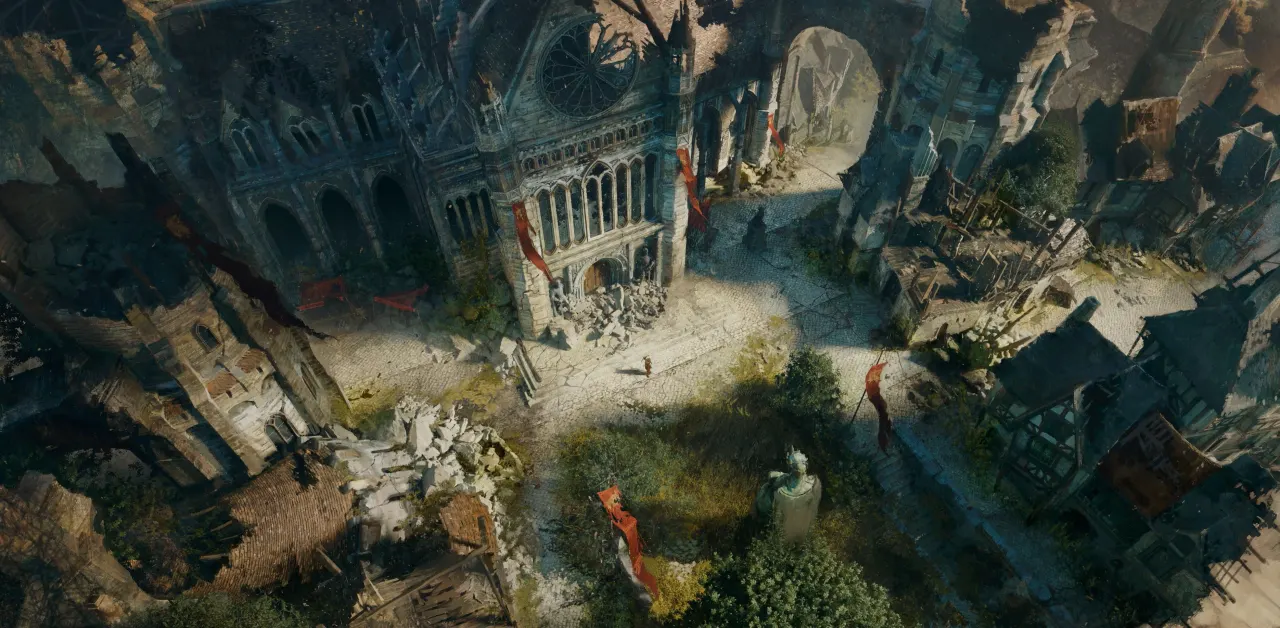
Blizzard has explained how Diablo 5 aims to avoid the criticism levelled at Diablo 4's largely static open world, revealing that the game will return to the procedurally generated overworlds used in Diablo 2 and 3. Speaking at a BlizzCon 2026 group Q&A attended by Polygon, executive producer Matt Zitterman and game director Joe Shely acknowledged that Diablo 4's fixed map, while suited to its online focus, only allowed a one-time sense of discovery, whereas players wanted that feeling to persist throughout the game.
In Diablo 5, the western continent has fallen under Diablo's control, so rather than restorable towns, players will operate from a mobile caravan, with both the overworld and dungeons built from procedurally generated "tiles" that vary in appearance, enemies and loot depending on regional control by Diablo's Dread Commanders. Blizzard also confirmed an overlay map will be included from launch, addressing another Diablo 4 shortcoming that wasn't fixed until this year. Asked how they would avoid the repetitiveness seen in other procedurally generated games such as Starfield, the developers said they plan to balance distinct regional identity with generated variety, backed by a large volume of handcrafted content.
In short
- Diablo 5 returns to procedural overworld generation, unlike Diablo 4's static map.
- Caravan replaces towns; world built from procedurally generated "tiles".
- Overlay map included from day one, unlike Diablo 4 at launch.
Steelman: both sides, in good faith
The strongest fair case each way — we don't pick a winner.
The case for
A procedurally generated world could make repeated play-throughs feel more exploratory, while the mobile caravan and shifting regional control give the changing maps a story-based purpose. Combining generated layouts with substantial handcrafted content may preserve variety without losing the distinct identity players expect from each region.
The case against
Procedural generation can make locations feel repetitive or less memorable if its variations do not add meaningful differences, and a mobile base may offer less of the attachment that settled towns provide. The developers’ approach depends on generated content and handcrafted elements working together; if that balance falls short, the world could feel less coherent than a fixed map.
Explained simply
Diablo is Blizzard’s fantasy action role-playing series, in which players fight demons in the world of Sanctuary. Diablo 2 and 3 used maps that changed between playthroughs, while Diablo 4 introduced a largely fixed world designed for online play.
That shift matters because a fixed map can make exploring feel less surprising after the first visit. The series’ maps also shape how players travel between settlements and dungeons, find enemies and collect equipment.