Science news and discussion on TalkFuse.
Hobbyist gold panner convicted of causing environmental damage to Snowdonia river in ‘Welsh Klondike’
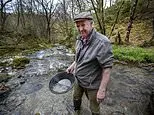
Brian Wright, a 69-year-old hobbyist gold panner from Henley-on-Thames, has been convicted of causing environmental damage to a river in Snowdonia's so-called "Welsh Klondike", four years after he was first prosecuted for the same activity. Llandudno Magistrates' Court found him guilty of digging up material from the riverbank and disturbing the riverbed of the Afon Wen, despite his argument that gold panning was part of the area's cultural heritage and that Forestry Commission bylaws did not apply to the riverbed itself. The case matters because it underlines authorities' determination to protect the river's fragile ecosystem, which supports trout, salmon and eels, from repeated unauthorised prospecting in a designated gold belt.
District judge Gwyn Jones fined Wright £1,900 and ordered him to pay £2,800 in costs, after prosecutors said he had been told "on many, many occasions" that panning was banned on rivers controlled by Natural Resources Wales, which brought the case. Wright, a trustee of the Gold Rivers Trust charity, denied the charges and said he was considering an appeal, while advising other prospectors against bothering with the river as "there's not a fortune to be made". He was previously convicted in 2022 for similar offences at the same river and fined £600 with £2,400 costs, after being filmed panning in defiance of a prohibition sign.
In short
- Hobbyist gold panner convicted again over damage to Snowdonia's Afon Wen river
- Fined £1,900 plus £2,800 costs; considering an appeal
- Second conviction after a similar case at the same river in 2022
Steelman: both sides, in good faith
The strongest fair case each way — we don't pick a winner.
The case for
Protecting the Afon Wen’s riverbed and banks from unauthorised digging helps safeguard a fragile habitat used by trout, salmon and eels. Repeatedly ignoring clear warnings can make enforcement necessary to protect the ecosystem and ensure rules apply consistently, whatever a prospector’s motives or local interest in gold.
The case against
Gold panning has a claimed place in the area’s cultural heritage, and Wright argued that the Forestry Commission’s rules did not cover the riverbed itself. A thoughtful case against this prosecution could question whether the rules were clearly applicable and proportionate to hobbyist activity, while favouring clearer guidance or permission-based access that recognises heritage interests alongside conservation.
Explained simply
Snowdonia has a long history of gold mining, and the area around the Afon Wen is sometimes called the “Welsh Klondike”. Gold panning involves sifting river gravel for small pieces of gold, but digging into banks or disturbing a riverbed can damage habitats.
Natural Resources Wales manages and protects rivers and can restrict activities that might harm them. Trout, salmon and eels live in the Afon Wen, so repeated prospecting without permission has raised concerns about the river’s ecosystem.
Brian Wright is a hobbyist prospector who has previously faced prosecution over panning at the river. The case concerns how rules to protect a river apply in an area where gold prospecting also has historical and cultural associations.