Science news and discussion on TalkFuse.
Trump EPA moves to wipe out climate rules for power plants
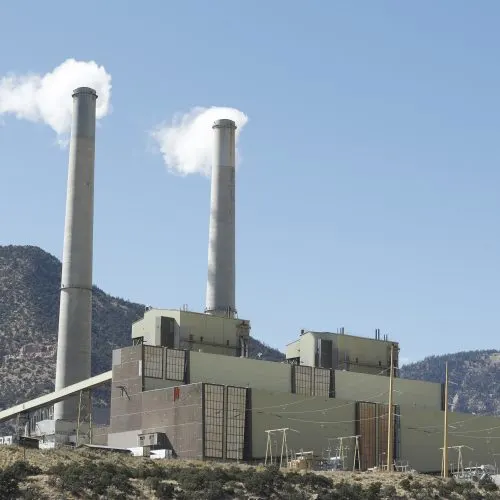
The Trump administration's Environmental Protection Agency has moved to eliminate most federal limits on greenhouse gas emissions from power plants, overturning a Biden-era rule and proposing to scrap remaining climate requirements for the sector altogether. The EPA argues that the 2024 Carbon Pollution Standards exceeded its authority under the Clean Air Act and that emissions from power plants, the second-largest source of US greenhouse gases, "have no material impact on climate change." The move comes despite the hottest summer on record and a UN report warning of escalating climate risks, and legal experts say it undermines the scientific and legal basis for regulating climate pollution altogether.
The rollback follows a February decision to scrap the "endangerment finding" underpinning vehicle emissions rules, and an attempt to revoke California's authority to set its own stricter vehicle standards, which a federal judge has temporarily blocked. Climate lawyers, including Maggie Coulter of the Center for Biological Diversity, expect the administration to argue that greenhouse gases pose no danger to health or welfare, a position she says contradicts well-established science and is likely to be challenged in court. Critics, including academics tracking fossil fuel industry tactics, say the administration is echoing decades-old strategies used by oil companies to deny or downplay climate science.
In short
- EPA scraps most Biden-era climate rules for power plants, the second-largest emissions source
- Agency claims plant emissions have no material climate impact, prompting legal fights
- Move follows earlier rollbacks of vehicle emissions and California's clean air waivers
Steelman: both sides, in good faith
The strongest fair case each way — we don't pick a winner.
The case for
Supporters of the rollback may argue that the Clean Air Act does not authorise the EPA to impose the 2024 rules, and that major decisions about energy policy should be made by Congress rather than through expansive agency interpretations. They may also contend that removing federal limits could reduce compliance costs and preserve reliable, affordable electricity while allowing states and power companies more flexibility in choosing how to meet demand.
The case against
Opponents argue that power plants are a major source of greenhouse gas emissions and that federal limits are needed to reduce pollution linked to serious climate and health risks. They say the EPA has a responsibility under the Clean Air Act to address those risks, and that abandoning the rules could weaken climate protections while leaving communities and future generations to bear greater costs.
Explained simply
The US Environmental Protection Agency (EPA) sets federal pollution rules under the Clean Air Act, a law that gives it authority to regulate pollutants that threaten health or welfare. Power plants, which burn fuels such as coal and gas to generate electricity, are one of the country’s largest sources of greenhouse gas emissions.
The rules at issue were adopted under President Joe Biden and set limits on carbon pollution from power plants. The Trump administration disputes the EPA’s authority to set those limits and is also challenging the legal basis for regulating greenhouse gases, a question that affects rules beyond the power sector. Any changes are likely to face legal challenges, as courts consider how the Clean Air Act applies to climate pollution.