iPhone 18 Pro: Refined Camera and Photo Authenticity Mark Incremental Update
Developing story first seen 25 minutes ago
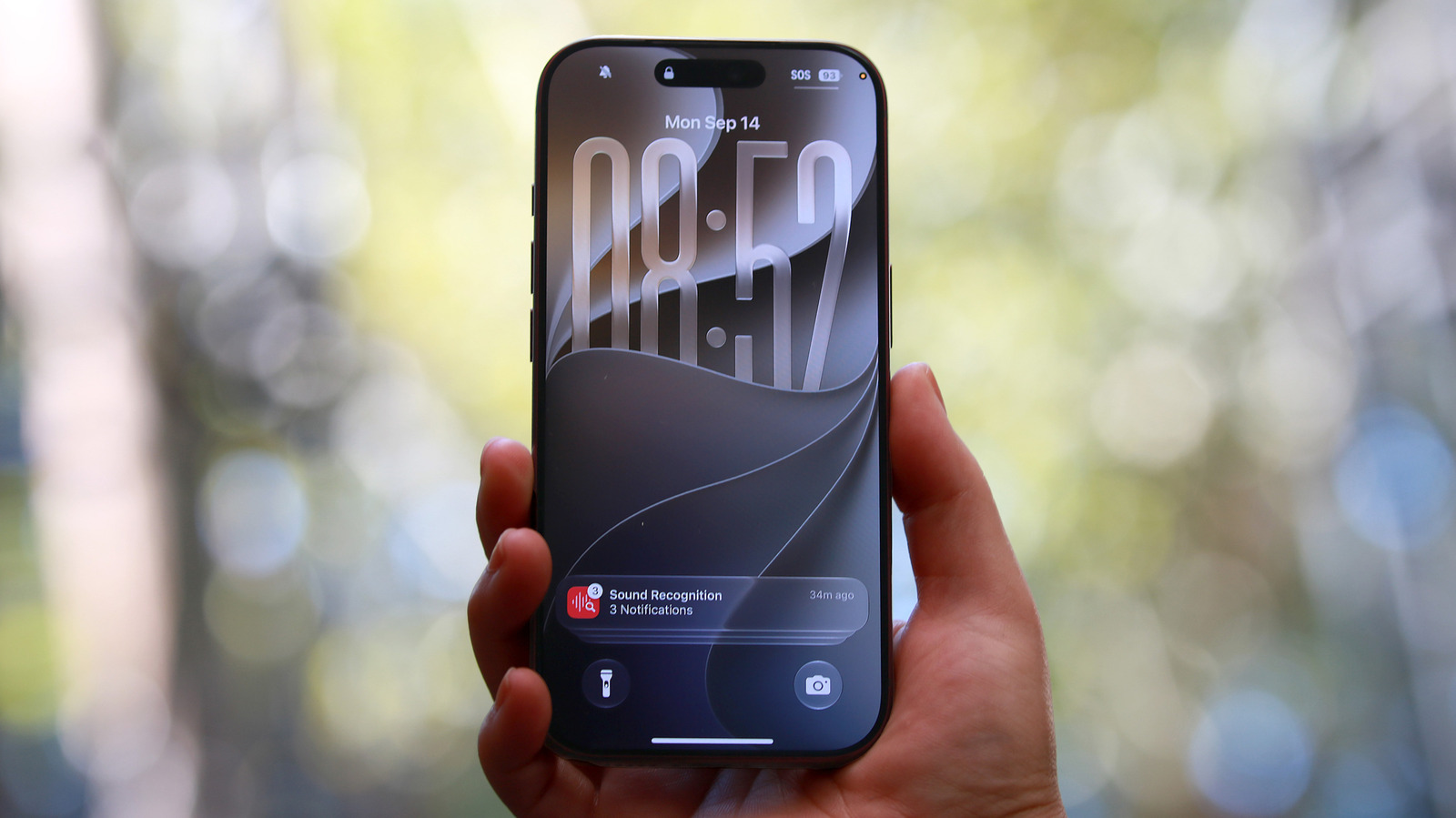
New details have emerged about how Apple's Reference Image mode, available on the iPhone 18 Pro and Pro Max, works to authenticate photographs against manipulation. The feature works by embedding a cryptographic signature directly within the camera sensor at the moment of capture, using a unique private key generated during manufacturing, so any later alteration of the image data causes it to fail verification. Apple's Private Cloud Compute service then checks this record and issues a further digital signature, giving users a way to prove a photo is genuine as AI-generated and doctored images become harder to spot by eye.
The feature is opt-in and must be switched on via Settings > Camera > Reference Image before use, after which it can be selected as a mode within the camera app. Captured evidence is stored in the RAW "digital negative" (DNG) format alongside the finished photo, and can be kept indefinitely or shared for later development; once developed, the negative is moved to deleted photos and erased automatically after 30 days unless recovered. The system also records a signed timestamp window, independent of the phone's own clock, to verify when a photo was actually taken, and continues working offline using the last timestamp received before syncing again once reconnected.
- Reference Image mode cryptographically signs photos at the camera sensor
- Feature is opt-in, must be enabled in Camera settings first
- Uses signed timestamps and DNG negatives to prove authenticity
Coverage
- The Verge — The iPhone 18 Pro’s big camera update is all about the small gains
- Engadget — iPhone 18 Pro review: The standard setter
- Engadget — Here’s how the iPhone 18 Pro’s Apple Reference Image tech works