Entertainment news and discussion on TalkFuse.
Small but mighty! Remembering the GameCube, Nintendo’s purple bundle of joy
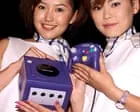
This week marks the 25th anniversary of the Nintendo GameCube, and the Guardian writer reflects on the console as their first-ever games purchase, tracing how it went from being seen as an underwhelming flop compared with the Xbox and PlayStation 2 to being fondly remembered today as a charming, uncomplicated gaming machine. The piece argues that the GameCube's squat, colourful design and family-friendly launch titles stood apart from the more "adult" gaming trends of the early 2000s, and that its legacy has only grown warmer with time, unlike Nintendo's true flops such as the Virtual Boy and Wii U.
The GameCube launched in Japan in 2001 and in Europe in May 2002, selling fewer units than its rivals despite being technically capable. Its library included beloved titles such as Luigi's Mansion, Super Smash Bros Melee, The Legend of Zelda: The Wind Waker and Twilight Princess, and Metroid Prime, alongside experimental games like Eternal Darkness and Viewtiful Joe. The article notes that behind the scenes, Nintendo's designers and its late president Satoru Iwata concluded that chasing graphical power was a dead end, a realisation that would go on to shape the company's future console strategy.
In short
- Nintendo GameCube turns 25 years old this week.
- Once dismissed as a flop, now fondly remembered by fans.
- Its "less power, more fun" philosophy shaped Nintendo's later consoles.
Explained simply
The GameCube was Nintendo’s home games console, released in Japan in 2001 and in Europe the following year. It competed with Sony’s PlayStation 2 and Microsoft’s first Xbox, both of which sold more widely, though Nintendo’s machine had its own line-up of games and a distinctive compact design.
Nintendo made the GameCube, and Satoru Iwata, who later became the company’s president, was among the people involved in rethinking its approach to consoles. Its games ranged from family favourites such as Luigi’s Mansion and Super Smash Bros Melee to darker or more experimental titles such as Eternal Darkness.
The console matters as part of Nintendo’s shift away from competing mainly on graphical power. That change helped shape the company’s later hardware, while the GameCube’s games and design have kept it in the conversation among players.
Entertainment Gaming Technology