Enterprises are sweating legacy IT assets as AI investment grows
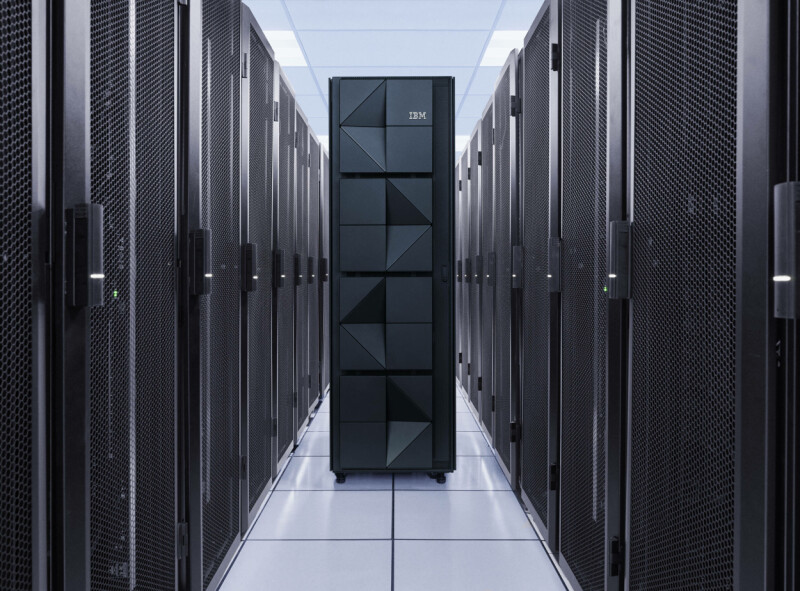
Businesses are becoming more cautious about retiring legacy IT systems such as mainframes, as growing investment in AI leads many organisations to keep this older infrastructure running for longer. A new report from managed services firm Ensono finds that a large majority of IT decision-makers now see legacy systems as more valuable than they did two years ago, largely because these systems hold the data and business logic needed to underpin AI initiatives, rather than being treated purely as candidates for replacement.
Ensono's 2026 State of IT Modernization report, based on a survey of 500 IT decision-makers and business leaders in the US and UK, found that 78% now rate legacy systems as more important than two years ago, with 45% actively scaling AI deployments and 44% pursuing targeted AI use cases. Integration difficulties (33%) and infrastructure limitations (28%) were cited as the biggest barriers to AI goals, prompting nearly half of firms to treat mainframes as a critical AI data foundation, while over half favour extending and optimising existing systems rather than replacing them outright—a strategy slightly more common in the UK (57%) than the US (48%). Similar views were previously voiced by Kyndryl and Gartner, and HPE has separately noted customers stretching hardware refresh cycles from five to seven years.
- AI investment is making firms keep legacy mainframes rather than replace them
- 78% of IT leaders say legacy systems are more important than two years ago
- Integration and infrastructure limits are the top barriers to AI adoption
New here? Start with this
Businesses run a huge amount of their day-to-day operations on old computer systems, sometimes called legacy IT or mainframes, which many firms have long planned to replace with newer, cheaper technology. That plan is now being reconsidered, because these older systems often hold vast amounts of historical company data and hard-coded business rules that companies need if they want to build artificial intelligence tools trained on their own operations.
The report at the centre of this story comes from Ensono, a firm that manages IT infrastructure for other businesses, and is based on a survey of 500 IT decision-makers across the US and UK. Other firms in the technology industry, including Kyndryl, Gartner and HPE, have reportedly made similar observations about companies holding onto ageing hardware for longer.
This matters because it runs counter to the usual narrative that AI adoption forces businesses to modernise their technology quickly. Instead, it suggests that AI ambitions can also make companies more reluctant to switch off systems they might otherwise have retired, with implications for how much businesses spend on maintaining old infrastructure versus building new AI capabilities.
Both sides, in good faith
The strongest fair case each way — we don't pick a winner.
The case for
Advocates of extending and building on legacy systems argue this is sound, risk-aware engineering rather than reluctance to change: mainframes and long-standing platforms hold decades of refined business logic, data integrity and proven reliability that would be costly, slow and risky to replicate from scratch. They see layering AI capabilities onto these trusted foundations as a pragmatic way to unlock value quickly while safeguarding core operations, customer trust and revenue continuity, rather than gambling stability on a disruptive rip-and-replace programme.
The case against
Sceptics of prolonging legacy infrastructure argue that treating old systems as an AI foundation risks entrenching technical debt, security exposure and a shrinking pool of specialists able to maintain ageing platforms. They contend that stretching hardware refresh cycles and avoiding replacement is a short-term fix that delays necessary modernisation, ultimately proving more expensive and limiting agility, while competitors who invest in cloud-native, AI-ready architecture from the ground up gain a lasting structural advantage.