New screening identifies lead-bearing Herculaneum scrolls for digital unwrapping
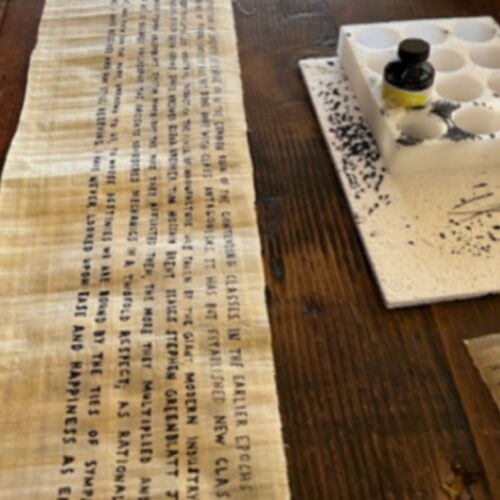
Researchers have developed and validated a new screening method to identify which of the unopened Herculaneum scrolls—charred papyri buried by the 79 AD eruption of Mount Vesuvius—are most likely to contain lead-based ink, making them priority candidates for the "digital unwrapping" techniques used in the Vesuvius Challenge. To test the approach without risking the fragile ancient originals, the team created and deliberately charred their own modern replica scrolls, publishing their findings in the journal PLoS ONE.
The Herculaneum scrolls, over 600 of which survive from a villa believed to have belonged to Piso and later Philodemus, have long resisted analysis because unrolling them physically destroys them. Existing "virtual unrolling" work, led by Brent Seales at the University of Kentucky, struggles because the scrolls' carbon-based ink barely shows up differently from blank papyrus under X-ray. Prompted by earlier 2016 findings suggesting some scrolls might instead use lead-based ink, retired inventor Douglas Seiler assembled a team including Berkeley chemists and an archaeology graduate student to test modern Egyptian papyrus and confirm that even a simple handheld XRF scanner can reliably flag scrolls worth prioritising for further imaging.
- New method flags which Herculaneum scrolls likely contain lead-based ink
- Scientists charred replica papyrus scrolls to safely test the technique
- A handheld XRF scanner can identify the most promising scrolls
Read the full article at the source →
Originally published by Ars Technica as “Scientists develop new method for deciphering ancient scrolls”.