Science news and discussion on TalkFuse.
EPA immediately sued over plans to repeal climate rules for power plants
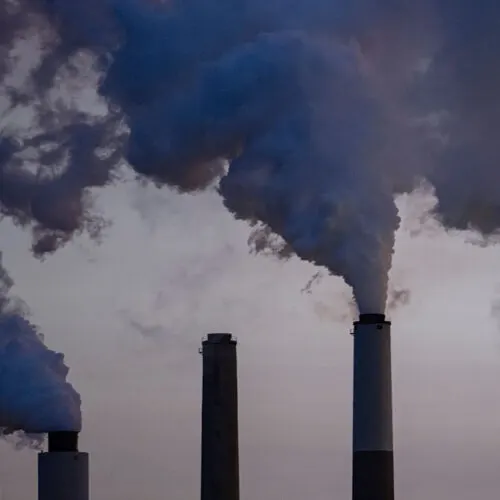
Public health and environmental groups have sued the US Environmental Protection Agency (EPA) over its plan to repeal greenhouse-gas rules for power plants. They argue the rollback conflicts with the Clean Air Act, abandons the EPA’s duty to protect public health and could leave the country’s largest industrial source of climate pollution largely unchecked, potentially causing thousands of premature deaths.
The EPA says the restrictions provide “virtually no benefits” and argues that climate-related harms are too indirect to link specifically to US power-sector emissions. It estimates the repeal would save utilities $310 billion and power plants a further $370 million in compliance costs, while advocacy groups warn of worsening air pollution, extreme heat and severe weather, particularly affecting children, pregnant people and already overburdened communities.
In short
- Groups challenge the EPA’s proposed repeal of power-plant climate rules.
- They warn of thousands of premature deaths and greater pollution.
- The EPA says repeal could save hundreds of billions of dollars.
Steelman: both sides, in good faith
The strongest fair case each way — we don't pick a winner.
The case for
Supporters of the repeal argue that power-plant rules should be grounded in benefits that can be credibly linked to US emissions, and that climate harms are too diffuse to show these restrictions deliver meaningful public-health gains. They say removing costly compliance requirements could save utilities and plant operators hundreds of billions of dollars, leaving resources available for reliable and affordable electricity.
The case against
Opponents argue that the Clean Air Act requires the EPA to address pollution that endangers public health, and that power plants are a major source of greenhouse gases whose cumulative effects contribute to climate-related harms. They say repealing the rules could worsen pollution and risks from heat and severe weather, with especially serious consequences for children, pregnant people and communities already facing disproportionate burdens.
Explained simply
The Clean Air Act is a US law that gives the Environmental Protection Agency responsibility for regulating air pollution that can harm public health. Power plants burn fuels such as coal and gas to generate electricity, releasing greenhouse gases and other pollutants into the air.
The EPA sets rules for power-plant emissions, while utilities operate the plants and may face costs to meet those rules. Public health and environmental groups argue that limits on greenhouse gases are needed to reduce risks linked to climate change; the agency says those risks cannot be directly tied to emissions from US power plants and that the rules bring little benefit.
The dispute matters because power plants are a major source of US climate pollution, and emissions can affect health and the climate beyond the places where they are produced. The Clean Air Act’s reach over greenhouse gases, and how the EPA should weigh potential harms against the cost of controls, are central to the legal questions.