World news and discussion on TalkFuse.
Sylvester Stallone Told Trump Hollywood Ambassadorship Was “Impossible” But Was Appointed Anyway: “It Won’t Work”
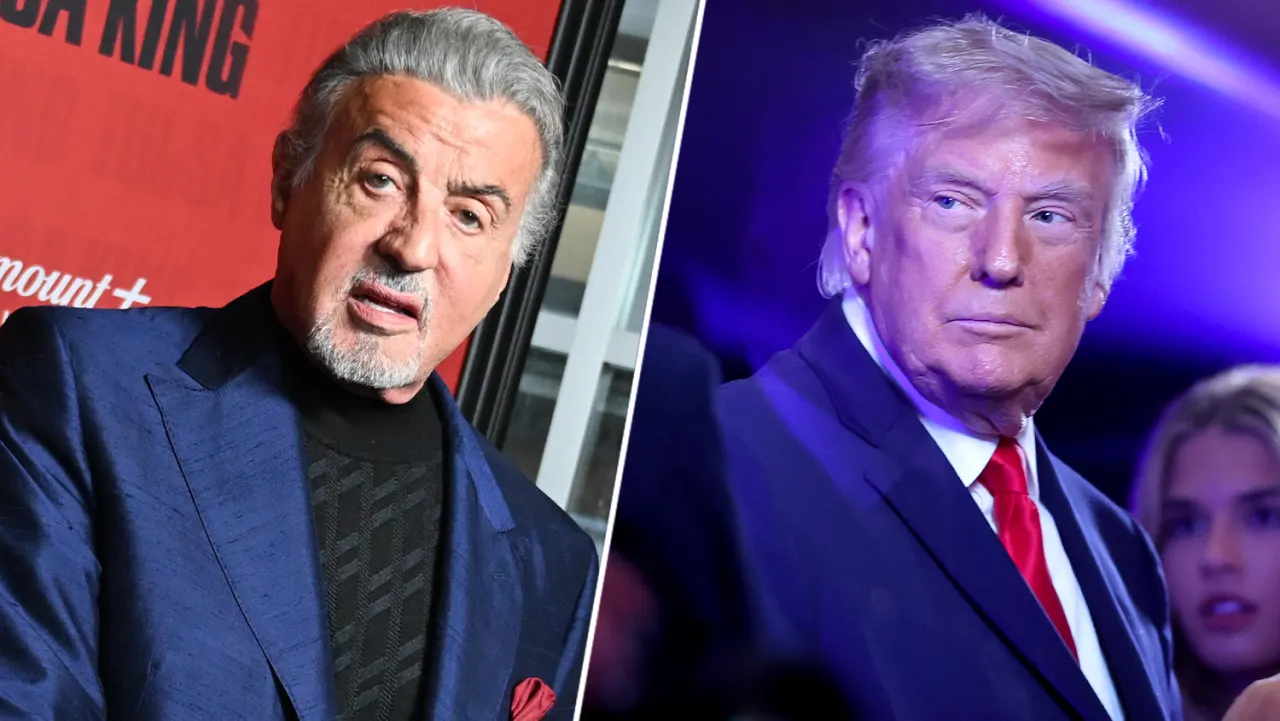
Sylvester Stallone has revealed that he never agreed to Trump's appointment as a "special ambassador" to Hollywood nearly two years ago. The three-time Oscar nominee said he told Trump the position was "impossible" and would have rejected it had he been consulted beforehand. Stallone explained that Hollywood operates like independent fiefdoms controlled by major studios, making such a centralised ambassadorship impractical. He learned of the appointment by watching television, when Trump simultaneously announced Mel Gibson and Jon Voight for the same role.
Stallone's objection centres on the structural reality of Hollywood's corporate landscape. He argued that the industry is autonomous and corporate-led, unlikely to accept direction from an external figure regarding finance or operations. Whilst Stallone declined the role, Trump has pursued related initiatives with the other appointees—meeting with Jon Voight about federal film and television tax incentives, and supporting Mel Gibson's proposed Italy-US co-production agreement as a pilot for international partnerships.
In short
- Stallone rejected Trump's unilateral ambassadorship appointment, saying Hollywood's structure makes it unworkable.
- He was blindsided, learning of his appointment on television rather than through prior consultation.
- Gibson and Voight remain engaged with related film industry initiatives under Trump's administration.
Explained simply
Hollywood is the common name for the US film and television industry, whose studios and production companies make many of their own business decisions. There is no single body that directs the whole industry, so an official asked to represent or influence it may have limited authority.
Donald Trump is the US president, and Sylvester Stallone is an actor and filmmaker known for the Rocky and Rambo films. Mel Gibson and Jon Voight are also actors; the three were named to a proposed special ambassador role linked to Hollywood.
The role matters because government policies, including tax incentives, can affect where films are made and how they are financed. Any effort to build ties between the federal government and the industry would have to work across companies with different interests and decision-makers.
Americas Entertainment Film World