Science news and discussion on TalkFuse.
Andy Burnham hails Danish prime minister for reaching Greenland deal with Donald Trump
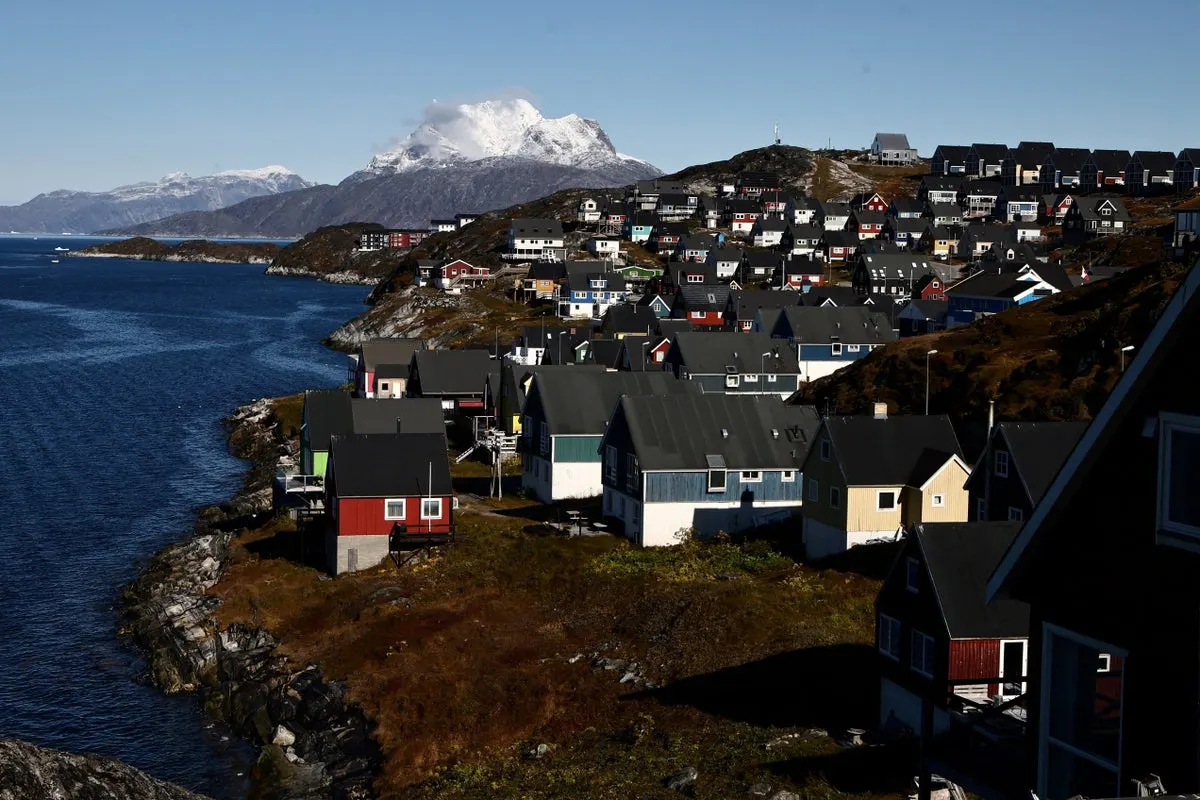
Andy Burnham praised Denmark and the United States after they agreed a new arrangement to strengthen security in Greenland and the wider Arctic and North Atlantic. The deal follows months of Donald Trump’s threats to take control of Greenland by force, and is intended to reinforce regional defence while preventing hostile countries from establishing bases there.
The agreement would allow the US to expand its military presence in Greenland, although its precise terms, including the scale of the expansion and any impact on control of foreign policy or resources, remain undisclosed. Danish and Greenlandic leaders said the pact would respect Greenland’s self-determination and Danish sovereignty, while Liberal Democrat leader Sir Ed Davey dismissed Trump’s claim of victory, arguing that the agreement largely mirrors arrangements in place since the 1950s.
In short
- US and Denmark agree to strengthen Arctic security.
- Greenland’s sovereignty and self-determination are to be respected.
- Ed Davey calls Trump’s claimed victory largely symbolic.
Steelman: both sides, in good faith
The strongest fair case each way — we don't pick a winner.
The case for
Supporters can argue that the agreement strengthens deterrence in a strategically important region and helps prevent hostile states from establishing a foothold, while giving the US room to bolster Arctic defence. If it respects Greenland’s self-determination and Danish sovereignty, a negotiated pact could also reduce tensions after Trump’s threats without changing who governs the territory.
The case against
Critics can argue that the undisclosed terms make it difficult to judge whether Greenland’s interests and self-determination are adequately protected, particularly if the US gains a larger military role or influence over resources and foreign policy. They may also say that presenting the pact as a major achievement overstates what has changed if it largely continues arrangements dating from the 1950s, and risks lending legitimacy to pressure over Greenland’s future.
Explained simply
Greenland is a large, self-governing island in the Arctic. It is part of the Kingdom of Denmark, which handles areas such as defence and foreign affairs, while Greenland runs many of its own domestic matters. The United States already has a military base there under long-standing agreements with Denmark.
The Arctic has become more important to governments because of its location and security concerns, including the risk of rival powers gaining a foothold. Greenland’s leaders have said the island’s people should decide its future, while Denmark says it retains sovereignty. The arrangement has drawn attention to how regional defence plans relate to those principles and to existing US military access.
Climate Government Politics Science