Entertainment news and discussion on TalkFuse.
The 10 Best Psychological Thrillers Released Since 2010, Ranked
Developed over time first seen 2 months ago
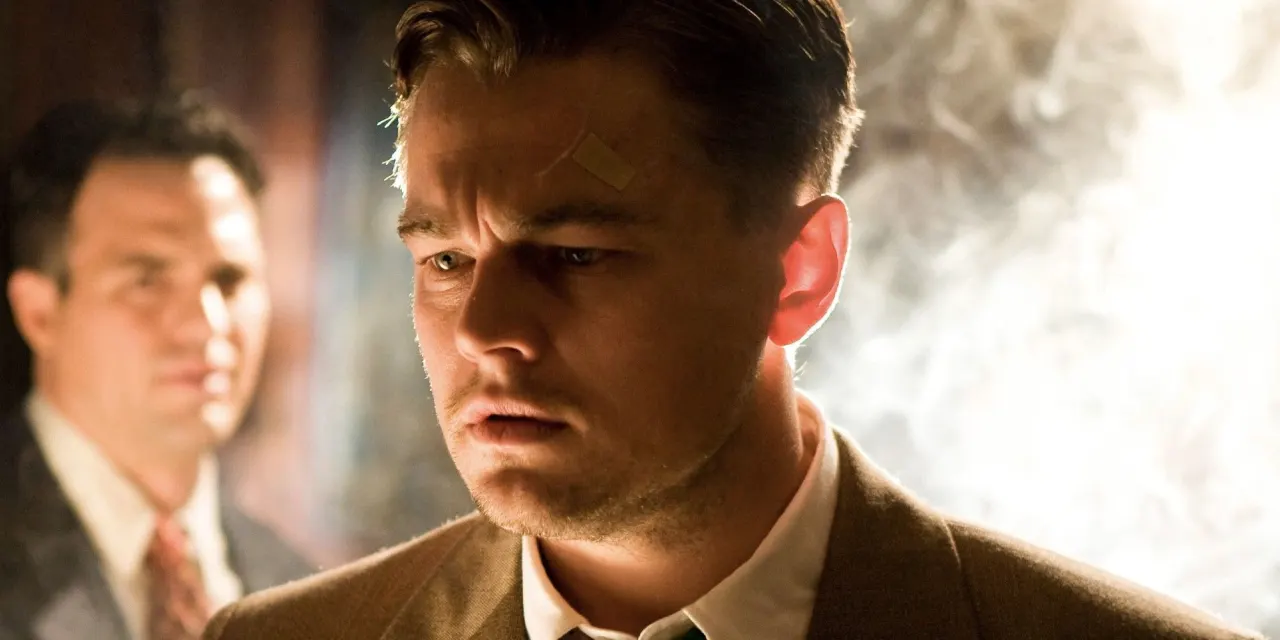
The article ranks psychological thrillers released since 2010, arguing that the genre’s power comes from uncertainty, unreliable perspectives and the gradual unravelling of its characters. It highlights films that create tension through identity, trauma and manipulation rather than relying primarily on spectacle.
– The Gift: explores guilt and buried cruelty through an unsettling encounter that exposes Simon’s past.– Enemy: follows a man who discovers his exact double, using dreamlike imagery to examine identity and repression.– The Invisible Man: turns an invisible antagonist into a chilling depiction of abuse, coercive control and the lasting effects of fear.
- Sources
- 2
- Outlets
- 1
- Left · Centre · Right
- 0 · 0 · 0
In short
- Psychological thrillers exploit doubt and unstable reality.
- The Gift exposes guilt and buried wrongdoing.
- Enemy and The Invisible Man explore identity and abuse.
How this story developed
- 2 months ago The article ranks psychological thrillers released since 2010, arguing that the genre’s power comes from uncertainty, unreliable perspectives and the gradual unravelling of its characters. It highlights films that create tension through identity, trauma and manipulation rather than relying primarily on spectacle.
Explained simply
Psychological thrillers build suspense around what characters believe and how much they can be trusted. They often use uncertainty, trauma and manipulation to create tension, rather than relying mainly on action or spectacle.
The films mentioned approach those themes in different ways. The Gift centres on a troubling encounter that brings a man’s past behaviour into question; Enemy follows a man who finds someone identical to himself; and The Invisible Man uses an unseen threat to explore abuse and fear.
These stories can be unsettling because they blur the line between what is happening and what characters perceive. Their focus on identity, control and the effects of past experiences gives viewers reasons to question events as they unfold.