World news and discussion on TalkFuse.
‘Our culture is rich and we need our own space’: the fight to build a permanent centre for Deaf people
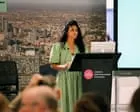
Urban planner and deaf activist Amanprit Arnold has launched the DeafCity Hub campaign to create a permanent dedicated cultural and co-working space for the Deaf community in the UK. Despite 18 million people in the UK having hearing issues, there is currently no dedicated centre for Deaf arts anywhere in the country, and Arnold argues this space is essential to celebrate Deaf cultural identity. This month, the project has secured a year-long temporary "meanwhile" space through a partnership with Westminster city council and the Oxford Street Development Corporation, providing a crucial opportunity to demonstrate the need for such a facility.
Arnold, who was born deaf and founded the design agency Disability Urbanism specialising in accessibility, plans to build the space using DeafSpace principles—deaf-friendly architectural guidelines. The campaign revives a failed 1986 attempt to establish an International Deaf Cultural Centre in London. Whilst mainstream representation of deaf people has improved through films like Coda and performances by deaf actors, this has not translated into purpose-built spaces; Arnold argues that most communities have dedicated spaces and the Deaf community deserves the same recognition. The initiative comes as the UK continues to develop deaf cultural infrastructure, with British Sign Language receiving legal recognition in 2022 and GCSE qualifications in BSL expected to launch in 2028.
In short
- Urban planner launches campaign for UK's first permanent Deaf cultural centre
- 18 million people with hearing loss, yet no dedicated Deaf community space
- DeafCity Hub project secures temporary site to demonstrate urgent need
Steelman: both sides, in good faith
The strongest fair case each way — we don't pick a winner.
The case for
A permanent Deaf cultural and co-working centre could give Deaf people a place to develop their arts, meet and work in an environment designed around sign language and DeafSpace principles. Supporters may argue that visibility in mainstream media and legal recognition of British Sign Language do not replace a dedicated institution, and that a lasting centre would affirm Deaf culture and help build community infrastructure.
The case against
A permanent centre would require sustained funding and could draw resources and attention from broader efforts to make mainstream cultural, work and public spaces accessible to Deaf people. A thoughtful sceptic might also ask whether a year-long temporary space can show that a dedicated building is the best long-term way to serve a diverse Deaf community, compared with investing in accessible venues and programmes across the country.
Explained simply
British Sign Language, or BSL, is a language used by many Deaf people in the UK. Deaf culture includes shared language, arts and community life, but there is no permanent UK centre dedicated to Deaf arts. A campaign to create one is being led by urban planner and deaf activist Amanprit Arnold, who founded the accessibility design agency Disability Urbanism.
The proposed centre would provide space for cultural events and co-working, designed using DeafSpace principles: architectural approaches intended to make places work well for Deaf people. The idea has a precedent in a 1986 effort to establish an International Deaf Cultural Centre in London, which did not succeed. Advocates say a permanent venue could support Deaf cultural life, while the campaign’s temporary space offers a chance to show how such a centre might work.
Americas Culture Space Technology World