Silent Hill: Townfall Brings Atmospheric First-Person Reinvention, But Momentum Fades
Developing story first seen 31 minutes ago
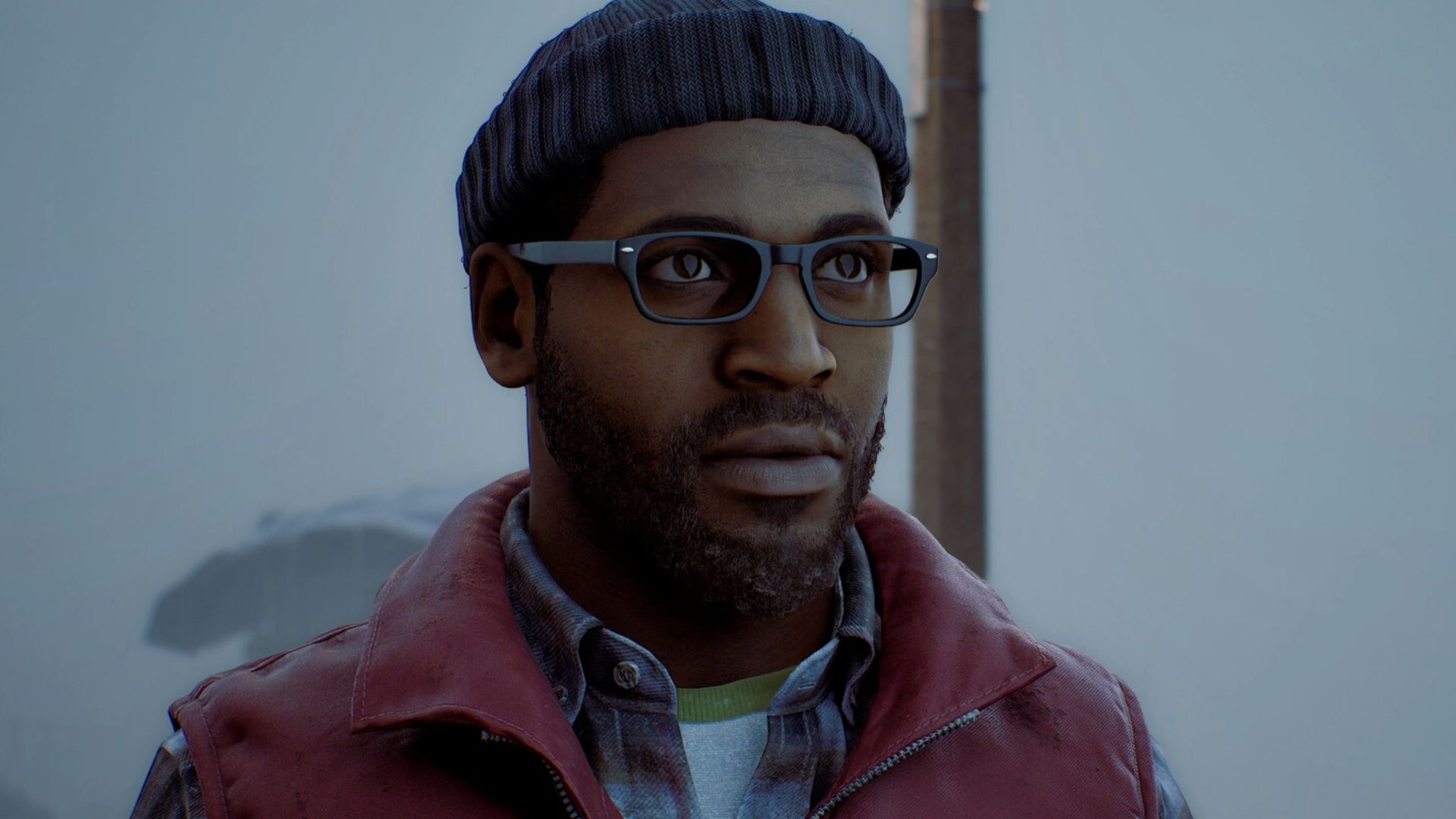
Silent Hill: Townfall establishes itself as a bold departure for the franchise, relocating players to 1996 St. Amelia, a remote and fog-laden Scottish island community. Adopting a first-person perspective, the game follows Simon Ordell's investigation into a friend's disappearance and the town's enigmatic collapse, grounding its psychological horror in themes of guilt, grief, and social wrongdoing rather than relying on series imagery. The experience leverages unsettling sound design and richly detailed atmosphere to generate genuine dread during its opening hours, successfully capturing the psychological depth and emotional resonance that define the franchise at its best.
However, the roughly 10-hour campaign struggles to sustain its grip throughout its entirety. While reviewers acknowledge the studio Screen Burn's ambitious reinvention and effective integration of exploration, puzzle-solving, and combat within its distinctive setting, they note that symbolic elements and pacing become increasingly laborious as the narrative progresses. Townfall succeeds as a conceptually fresh direction for Silent Hill, yet uneven execution in its later sections prevents it from fully realising the potential established by its strong beginning, resulting in an experience that impresses initially but gradually loses its psychological edge.
- First-person psychological horror set in atmospheric 1990s Scottish island town; explores guilt, grief, and collective wrongdoing through environmental storytelling
- Genuinely frightening and unsettling opening hours, but pacing and narrative momentum deteriorate significantly in the second half
- Ambitious franchise reinvention that succeeds creatively but falters on execution, with uneven engagement across its ~10-hour runtime
Coverage
- Polygon — Silent Hill: Townfall Is Genuinely Scary, Then Gets Really Dull | Review
- Collider — ‘Silent Hill: Townfall’ Is ‘Silent Hill’ Like You’ve Never Experienced It Before | Review
- Eurogamer — Silent Hill: Townfall boldly reinvents psychological horror through a fractured Scottish community
- Push Square — Review: Silent Hill: Townfall (PS5) – Dated Bite-Sized Horror… in a Good Way