Culture news and discussion on TalkFuse.
Saudi Arabia’s Red Sea festival pauses 2026 edition, plans 2027 return
Developed over time first seen 2 months ago
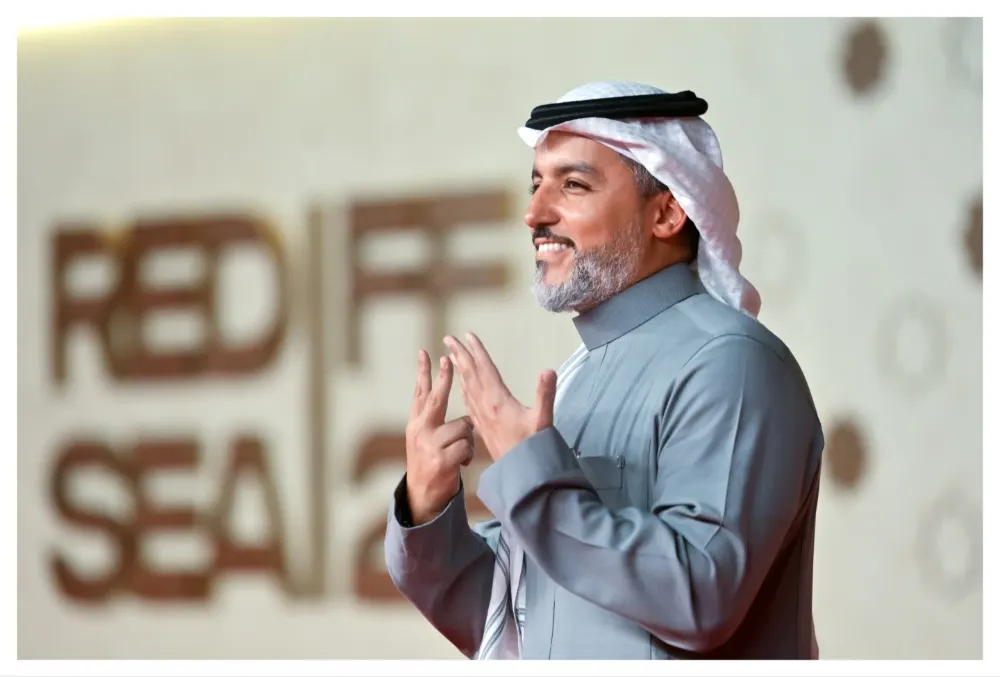
Saudi Arabia’s Red Sea Film Festival has cancelled its sixth edition, scheduled for 3–12 December 2026, and will return in the fourth quarter of 2027 with a renewed programme. Organisers cited timing and logistical considerations, while the year-long pause will also enable the festival to reorganise following the June departure of general manager Shivani Pandya Malhotra.
Established in 2019, the festival and its Red Sea Souk market have become major fixtures in the Arab film industry and support Saudi Arabia’s ambition to develop an international film and television hub under Vision 2030. The Red Sea Fund and Red Sea Labs will continue operating, alongside year-round screenings and industry programmes at Jeddah’s Culture Square from November; the cancellation comes amid heightened regional conflict, including Houthi attacks affecting Saudi Arabia.
- Sources
- 2
- Outlets
- 2
- Left · Centre · Right
- 0 · 0 · 0
In short
- The 2026 Red Sea Film Festival has been cancelled.
- The event is scheduled to return in late 2027.
- Its funding, labs and year-round programmes will continue.
How this story developed
- 2 months ago Subsequent reporting confirms that year-round festival programming will launch from Jeddah's Culture Square in November, with the postponement attributed primarily to regional conflict involving Houthi attacks on Saudi Arabia.
- 2 months ago The cancellation forms part of a broader pattern of Saudi Arabia postponing major international events, following the country's earlier cancellation of its Formula One race, whilst sources reveal internal disputes over the festival's strategic direction.
- 2 months ago Saudi Arabia's Red Sea Film Festival has cancelled its scheduled December 2026 edition and will return in the fourth quarter of 2027, with organisers citing logistical concerns amid growing regional instability.
Full account
The Red Sea International Film Festival's forthcoming edition has been postponed, with organisers announcing that the sixth iteration will not proceed as scheduled in December 2026 but will instead be staged in the final quarter of 2027. The Festival Foundation issued a statement on Monday citing the necessity of a thorough examination regarding scheduling logistics and the operational complexity inherent in staging an event of this magnitude. The Foundation maintained that the deferment reflects its determination to ensure the occasion unfolds under optimal conditions befitting its established reputation.
The decision arrives amid mounting regional volatility stemming from escalating hostilities between Saudi Arabia and Yemen's Houthi militia, which maintains backing from Iran. Houthi forces have intensified strikes against Saudi infrastructure and population centres, with reports emerging last week of a drone interception near Mecca, situated approximately 50 kilometres from the festival's Jeddah base. Beyond these bilateral tensions, the broader geopolitical landscape—encompassing U.S.-Israeli-Iranian hostilities—has generated heightened uncertainty regarding the viability of large-scale international gatherings in the region.
The festival has emerged as a cornerstone of Saudi Arabia's cultural repositioning since its establishment in 2019, with particular symbolic resonance given its debut arrival in 2020, merely two years after the kingdom terminated a 35-year prohibition on commercial cinema. The gathering has evolved into the Arab world's pre-eminent film marketplace and cultural forum, functioning simultaneously as a driver for Saudi Arabia's wider 2030 modernisation strategy. The most recent edition attracted prominent international filmmakers and entertainment executives to Jeddah, including representatives from major streaming and media corporations, whilst reinforcing the kingdom's ambitions to become a significant global cinema hub.
The Foundation confirmed that ancillary operations including its development fund and year-round laboratory programmes shall continue uninterrupted. Complementing this commitment, organisers announced the introduction of continuous cultural programming at Jeddah's historic Culture Square beginning November 2026, thereby establishing the venue as a permanent destination for screenings, industry conferences and specialised professional activities rather than confining activity to a biennial festival schedule.
Where outlets differ
From the full account, which is AI-written from the sources:
Source 1 frames the decision as a 'cancellation' whilst Source 2 refers to it as 'postponement'—distinct framings of the same event
Source 1 emphasises Saudi Arabia's 35-year cinema prohibition and integration with the 2030 economic strategy; Source 2 omits this historical and strategic context entirely
Source 1 details the appointment of Faisal Baltyuor as Festival CEO in May 2025; Source 2 makes no mention of leadership changes
Source 1 focuses narrowly on Saudi-Houthi tensions; Source 2 contextualises the decision within the broader U.S.-Israeli-Iran conflict
The two sources cite partially different celebrity attendees from the previous edition—Source 1 mentions Dakota Johnson, Uma Thurman, and Ana de Armas; Source 2 includes Johnny Depp and Adrien Brody
Source 1 specifically references the Red Sea Souk marketplace and senior Hollywood executive participation; Source 2 emphasises the Foundation's 'year-round ecosystem' language more prominently
Steelman: both sides, in good faith
The strongest fair case each way — we don't pick a winner.
The case for
The organisers are taking a measured, professional approach by pausing to reorganise after significant leadership change and ensure the festival maintains high quality. A gap year allows them to implement structural improvements, recover from the June departure of the general manager, and address logistical and security considerations thoughtfully rather than rushing to deliver a compromised edition. The continuation of the Red Sea Fund and Labs demonstrates sustained commitment, and returning in 2027 with a renewed programme reflects confidence in the festival's future.
The case against
The cancellation represents a substantial disruption to Saudi Arabia's carefully cultivated Vision 2030 cultural agenda and risks squandering the momentum the festival had built over preceding years. A fifteen-month gap is considerable in an industry that thrives on annual cycles and continued international visibility; participants and industry professionals may redirect their engagement elsewhere. The absence of any public acknowledgment of security concerns—in a context of ongoing Houthi attacks—leaves legitimate questions about transparency and whether the festival can credibly establish itself as a reliably dependable annual institution.
Explained simply
The Red Sea Film Festival is one of the Arab world's leading annual film events, held in Saudi Arabia and attended by filmmakers, producers and industry figures from across the region and internationally. It serves as a showcase for Arab cinema and a marketplace where major film and television deals are negotiated.
Saudi Arabia has positioned the festival as a cornerstone of its Vision 2030 strategy, a long-term plan to establish the country as an international hub for film and television production. The festival and its associated market have helped attract investment and talent to the Saudi film industry as part of this broader economic diversification effort.
Although the main festival is being paused, related programmes including a fund that supports filmmakers and a laboratory for developing new works will continue operating year-round, shifting to a permanent venue in the capital. The decision to skip 2026 also provides time for the festival to reorganise following staff changes and to reassess its schedule and direction.
Coverage · 2 sources
Art Culture Entertainment Film Middle East World
Read the full article at the source →
Originally published by Variety as “Red Sea Film Festival Cancels 2026 Edition, Will Return Next Year”.