Apple Repositions Mac Mini and Mac Studio as AI Workstations with Sharper Price Tags
Developing story first seen 28 minutes ago
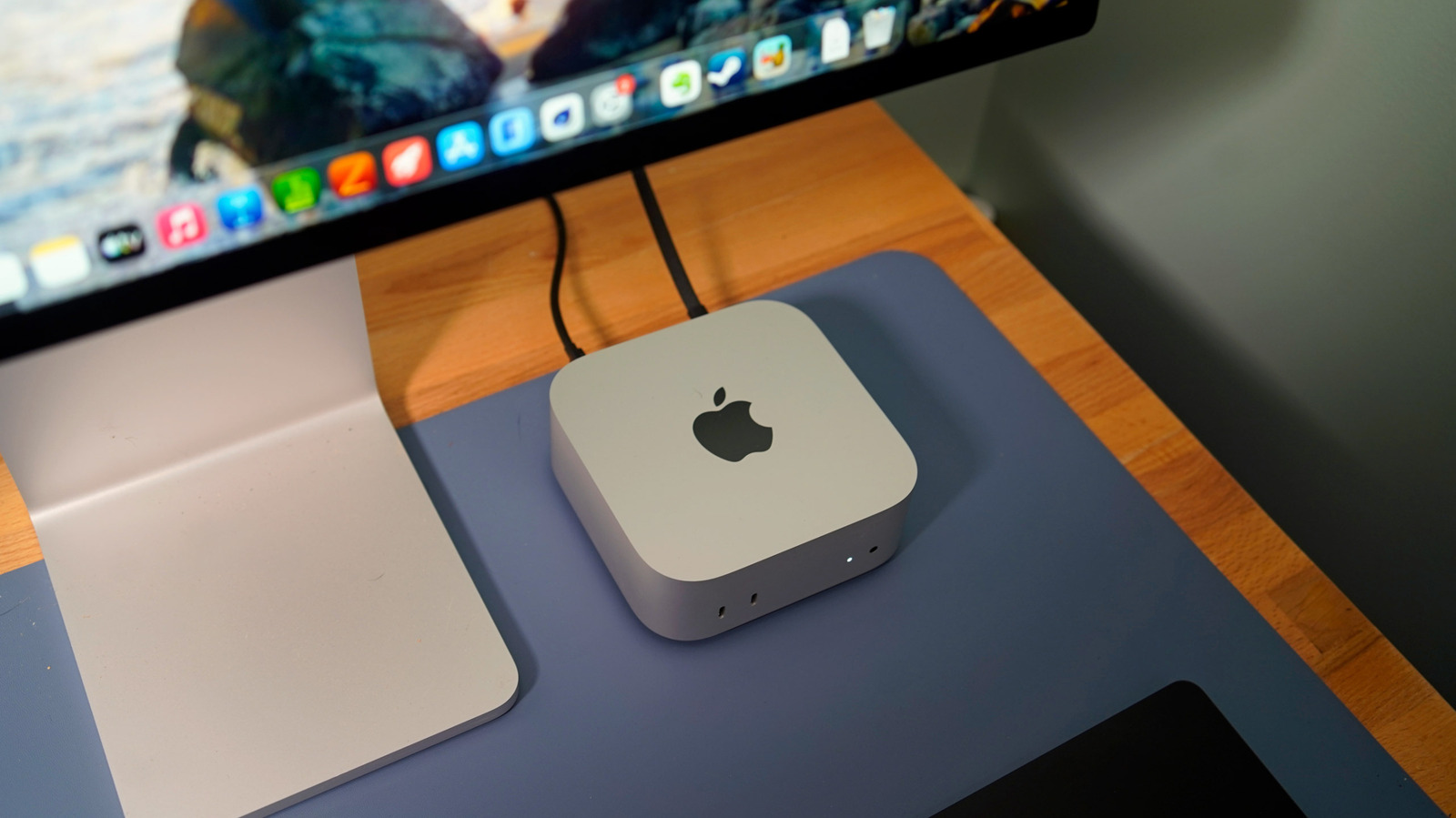
Apple's refreshed Mac Mini and Mac Studio lineups bring significant computational improvements designed for artificial intelligence work and resource-intensive creative tasks. The Mac Mini now arrives with M6 and M5 Pro processors delivering notably better performance than the previous M4 generation, whilst Mac Studio steps up with M5 Max and M5 Ultra options. Both machines maintain their space-efficient form factors whilst substantially boosting raw processing power for developers and creative professionals.
The performance benefits come at a considerable cost premium that reshapes their market positioning. Mac Mini's entry-level model now starts at $899, up from its previous $599 starting point—a meaningful shift in affordability that undermines its historical appeal to budget-conscious buyers, educational institutions, and small-scale server operators. Mac Studio's pricing similarly requires that M5 Ultra buyers have genuinely demanding professional needs to justify the expenditure. Interestingly, despite these cost barriers, Mac Mini has unexpectedly become central to the AI developer ecosystem, with units disappearing from shelves throughout much of 2026 as creators sought them out specifically for deploying emerging AI applications—a surge in demand that reportedly surprised Apple itself.
- Mac Mini (M6) and Mac Studio (M5 Ultra) introduce substantial performance gains for AI and creative professional workloads
- Mac Mini's base price jumped $300 to $899, eliminating entry-level affordability that previously defined the product
- Mac Mini sold out for most of 2026 due to unexpected demand from AI developers, despite reduced value positioning
Coverage
- The Verge — Apple’s M5 Ultra Mac Studio delivers major performance gains
- The Verge — The Mac Mini is still mighty, just not as cheap
- Engadget — Apple Mac mini (M6) review: The best compact desktop is no longer a great deal
- Engadget — Apple Mac Studio (M5 Ultra) review: Huge AI and graphics power at a huge premium
- Wired — M6 Mac Mini turns Apple’s compact computer into an AI powerhouse
AI Americas Art Celebrity Culture Entertainment Gadgets Gaming Geopolitics Politics Technology World