Business news and discussion on TalkFuse.
What’s in the Paramount Settlement With States: Commitment to Not Sell Studio Lots, Additional $300M U.S. Film Production Investment, CNN Oversight and More
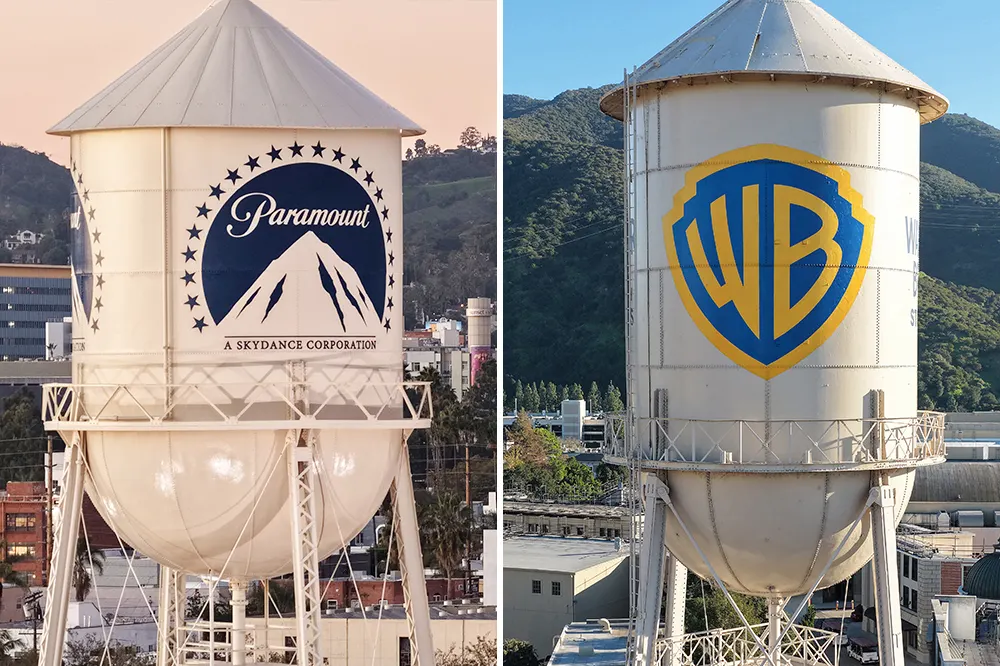
Paramount has agreed to a settlement with 12 US states that could clear the way for its takeover of Warner Bros. Discovery, subject to judicial approval. The deal requires Paramount to keep its California operations and not sell the Paramount or Warner Bros. studio lots there for at least five years, while also placing CNN and CBS News under an independent editorial oversight board.
The merged company must spend at least an additional $300 million annually on US film production, release at least 30 films a year and invest $25 million in an independent-film fund over five years. It must also meet quotas for wide-release, independent and jointly produced films, negotiate certain cable-distribution arrangements separately and could face penalties, including asset divestitures, for failing to comply; the Writers Guild separately secured a five-year ban on writer layoffs at CBS News Broadcast.
In short
- Settlement could enable Hollywood’s biggest-ever merger.
- Paramount must increase US film production by $300 million annually.
- CNN and CBS News would receive independent editorial oversight.
Steelman: both sides, in good faith
The strongest fair case each way — we don't pick a winner.
The case for
Supporters could argue the settlement preserves California’s production base and jobs, while requiring substantial additional US film investment, regular releases and support for independent films. Independent editorial oversight and enforceable penalties may also help address concerns about news independence and market concentration while allowing the takeover to proceed.
The case against
Critics could argue that commitments and oversight boards cannot fully prevent a larger merged company from reducing competition or influencing newsroom decisions over time. They may also question whether production quotas, a five-year restriction on selling studio lots and negotiated cable terms sufficiently protect workers, consumers and independent producers, especially if compliance is difficult to monitor.
Explained simply
Paramount and Warner Bros. Discovery are major American film and television companies, with film studios, television networks and streaming services. Combining them would bring many of those businesses under one owner, including the Warner Bros. and Paramount film studios, CBS News and CNN.
In the United States, state governments can challenge company mergers if they believe a deal may harm competition or the public interest. Courts can review settlements between companies and governments, and may approve or reject them.
The proposed takeover matters because the combined company would control a large range of film and news operations. Its ownership and production decisions could affect workers, filmmakers, audiences and the range of films and news available.
Business Companies Entertainment Film Research Science