Entertainment news and discussion on TalkFuse.
This Intense 25-Minute ‘Twilight Zone’ Episode Still Feels Uncomfortably Real
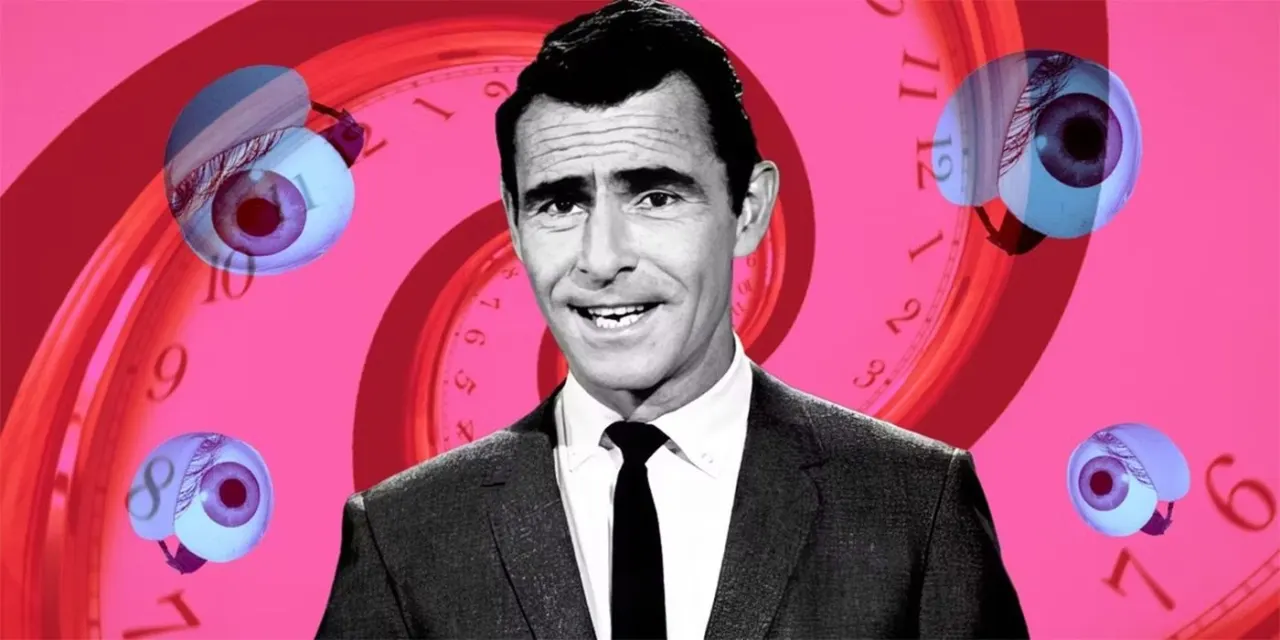
Richard Matheson’s “Little Girl Lost”, a 1962 episode of The Twilight Zone, was inspired by a frightening incident involving his young daughter, who had slipped beneath her bed and briefly seemed impossible to find. Matheson transformed that ordinary parental panic into a science-fiction story in which a child disappears through a portal, making the episode enduringly unsettling because its emotional core remains recognisable.
The episode follows Chris and Ruth Miller as they hear their daughter Tina calling from her bedroom, yet cannot locate her; their dog also vanishes while searching for her. A physicist friend identifies a portal to a possible fourth dimension, but the danger intensifies when the portal begins closing while Chris tries to rescue Tina and the dog. Strong performances and a clear explanation of the science-fiction premise helped make the 25-minute episode memorable, while its premise later invited comparisons with films such as 1982’s Poltergeist.
In short
- A real family scare inspired one of The Twilight Zone’s most frightening episodes.
- A missing child is trapped beyond a portal in another dimension.
- Its emotional realism explains why the 1962 episode still resonates.
Explained simply
The Twilight Zone was an American television series that told self-contained stories blending ordinary life with science fiction, fantasy and the uncanny. “Little Girl Lost”, written by Richard Matheson, aired in 1962 and centres on Chris and Ruth Miller, whose young daughter Tina disappears from her bedroom.
Matheson drew on a brief real-life scare when his own daughter slipped beneath her bed and seemed to be missing. In the episode, that familiar parental fear is given a science-fiction explanation: Tina has passed through a portal, and her parents’ physicist friend tries to help them understand it.
The story pairs an unusual idea with a situation many parents can recognise, which helps explain its lasting appeal. Its premise also resembles later stories about children vanishing into another realm, including the 1982 film Poltergeist.