Entertainment news and discussion on TalkFuse.
Ninja Scroll Director Explains Why He Hasn’t Made a New Movie in Almost 20 Years
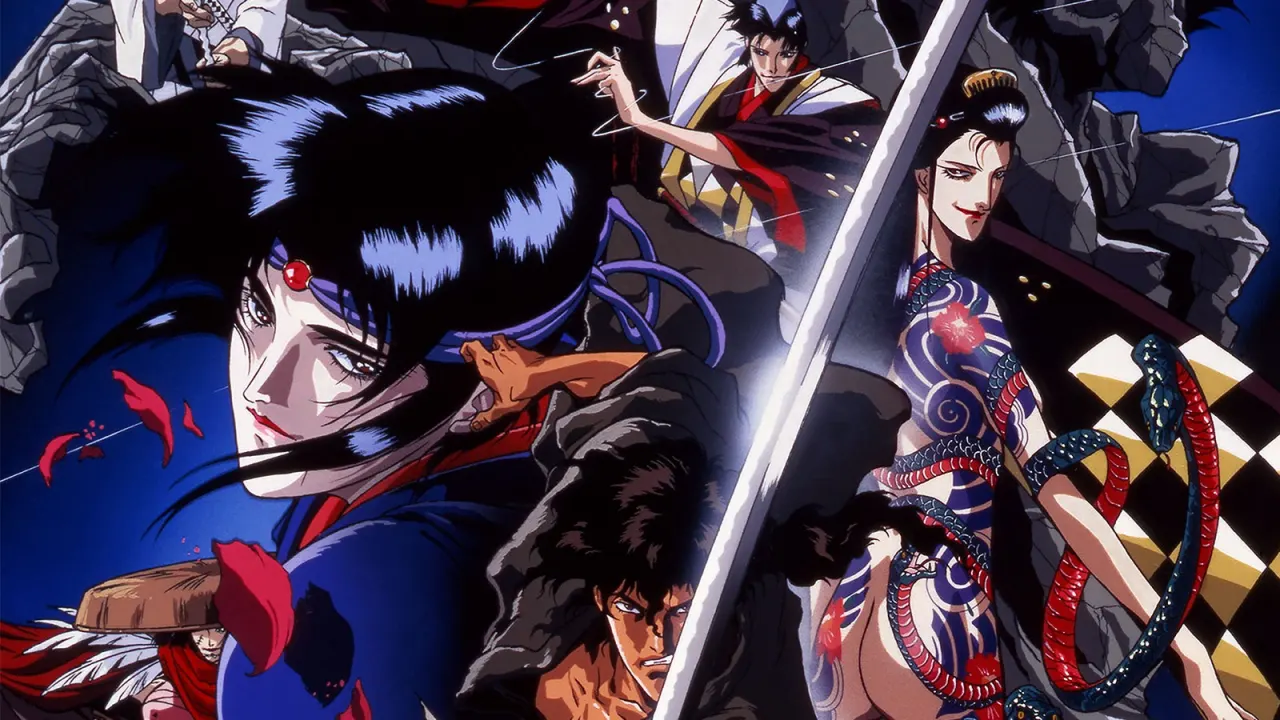
Yoshiaki Kawajiri, the legendary anime director behind Ninja Scroll, has explained why he has not directed a new feature film in nearly twenty years. Now 75 years old, Kawajiri attributes his absence from directing to declining physical stamina and his perfectionist nature—he states he cannot delegate creative control and therefore finds full directing duties no longer feasible. The revelation comes as Ninja Scroll prepares for a 4K theatrical re-release in October.
Rather than retiring entirely, Kawajiri has shifted to storyboarding for high-profile anime series including Beastars, Frieren: Beyond Journey's End, and Jujutsu Kaisen, roles that allow him to remain creatively involved whilst maintaining manageable workloads. He emphasises that he only accepts projects that genuinely interest him, viewing curiosity as his greatest asset. Regarding broader industry trends, Kawajiri disputes the notion that nostalgia drives fan preferences for older anime, arguing instead that audiences simply value quality work regardless of era, and credits the emergence of original video animation in the 1980s as a pivotal moment that enabled greater creative diversity in Japanese anime.
In short
- 75-year-old director cites stamina and perfectionism as reasons for avoiding new films.
- Now focuses on storyboarding roles for acclaimed modern anime series.
- Believes audience quality standards, not nostalgia, explain preferences for classic works.
Explained simply
Yoshiaki Kawajiri is a Japanese anime director best known for Ninja Scroll, a 1993 animated action film. It became a prominent example of anime made for adult audiences and helped introduce many viewers outside Japan to the medium.
Anime films and television series are made by teams of artists, writers and production staff, with the director guiding the whole project. Storyboarding is a more focused role: it involves planning how scenes will look and unfold, while leaving overall direction to someone else.
In the 1980s, original video animation, or OVA, allowed anime to be released directly on video rather than first being shown on television or in cinemas. This gave creators another route to make work for different audiences and budgets, and forms part of the background to debates about how anime has changed over time.