Entertainment news and discussion on TalkFuse.
The 10 Greatest Sci-Fi Books of the ’70s, Ranked
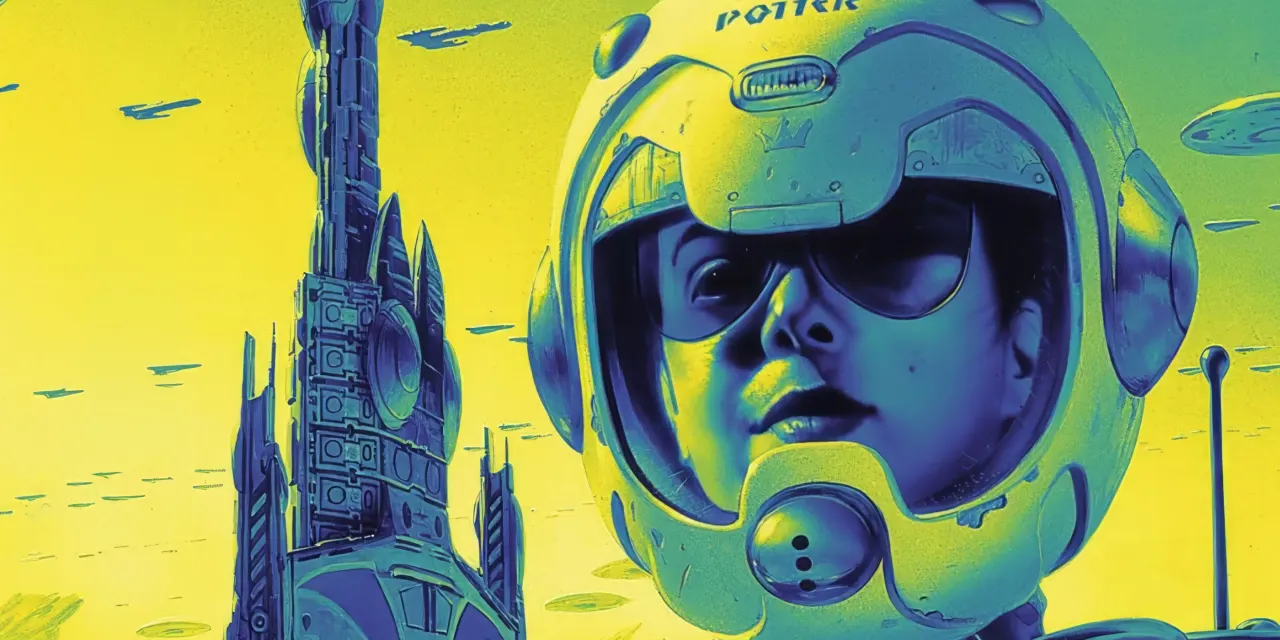
The article ranks the greatest science-fiction books of the 1970s, arguing that the decade made the genre more political, experimental and sceptical about whether technological progress guaranteed human progress. Its selected works explore vast artificial worlds, parallel realities, environmental collapse, political power and the unintended consequences of trying to reshape society.
Highlighted books include Larry Niven’s *Ringworld*, about an immense habitable ring encircling a star; Roger Zelazny’s *Nine Princes in Amber*, blending science fiction, fantasy and royal intrigue; Ursula K. Le Guin’s *The Lathe of Heaven*, a warning about utopian schemes and reality-altering dreams; and Arthur C. Clarke’s *Rendezvous with Rama*, which begins with humanity investigating a vast, perfectly geometric object entering the Solar System. The article also emphasises the books’ lasting influence, philosophical depth and imaginative world-building.
In short
- 1970s science fiction became stranger, more political and experimental.
- The list highlights ambitious worlds, uneasy futures and philosophical ideas.
- Featured authors include Niven, Zelazny, Le Guin and Clarke.
Explained simply
Science fiction uses imagined technologies, societies and futures to explore questions about the world people live in. In the 1970s, many writers turned towards political power, environmental damage and the social costs of change, while experimenting with the boundaries between science fiction and other forms of storytelling.
The books mentioned range from Larry Niven’s vast ring-shaped world in Ringworld to Arthur C. Clarke’s mysterious object in Rendezvous with Rama. Ursula K. Le Guin’s The Lathe of Heaven considers what might happen when someone tries to remake the world through dreams, while Roger Zelazny’s Nine Princes in Amber mixes speculative ideas with family conflict and royal politics.
Together, these works show why the decade remains a point of reference for readers and writers of science fiction. Their imagined worlds offer different ways to consider whether new powers and grand plans improve human life, and what consequences they may bring.