Technology news and discussion on TalkFuse.
At BAFTA event, Tom Cruise champions human-made cinema over AI
Developed over time first seen 2 months ago
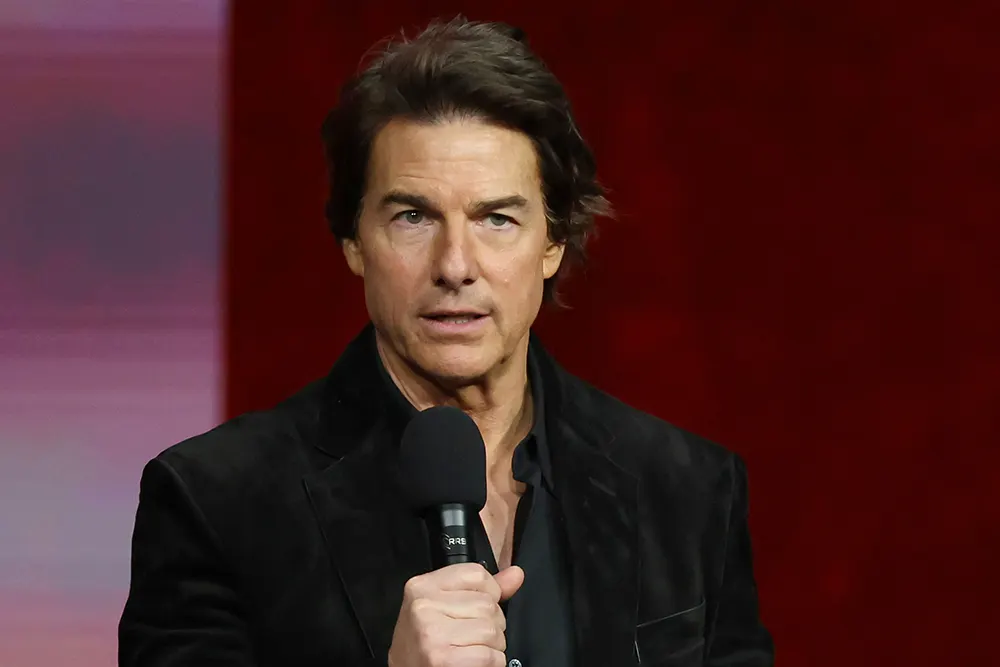
Tom Cruise delivered a passionate six-minute defence of human artistry over artificial intelligence at a BAFTA: Life in Pictures event in London, earning spontaneous applause. He argued that audiences still want authentic human experiences, real performances and traditional theatrical cinema, citing a strong summer box office and young people’s engagement with films as evidence. Cruise also warned against losing the skilled craftspeople whose work underpins filmmaking.
Cruise said “there is nothing like human” and that people “wanna see real things”, while discussing advances in camera technology and the relationship between cinemas and streaming. His comments continued his support for protections around AI, previously expressed during the 2023 SAG-AFTRA negotiations. The event promoted his forthcoming film Digger, directed by Alejandro González Iñárritu and scheduled for theatrical release on 2 October, in which Cruise plays an oil baron trying to prevent an environmental disaster he helped cause.
- Sources
- 2
- Outlets
- 2
- Left · Centre · Right
- 0 · 0 · 0
In short
- Cruise defended human creativity and craftsmanship against AI’s growing influence.
- He said audiences still value authentic, theatrical film experiences.
- His remarks came while promoting Digger, due out on 2 October.
How this story developed
- 2 months ago Cruise grounded his argument in specific observations, stating "there is nothing like human" and that "people wanna see real things", whilst reiterating his previous advocacy for AI protections from the 2023 SAG-AFTRA negotiations and promoting his film Digger, due for release on 2 October.
- 2 months ago In his BAFTA remarks, Cruise acknowledged artificial intelligence's inevitable influence on the industry but framed his position as pragmatic navigation rather than outright resistance, emphasising that cinema's irreplaceable value lies in its craftsmanship, physical risk, and the shared theatrical experience only human performers can deliver.
- 2 months ago Tom Cruise delivered a six-minute defence of human creativity against artificial intelligence at a BAFTA event in London, garnering spontaneous applause whilst arguing that audiences desire authentic performances and theatrical cinema, citing strong summer box office revenues and youth engagement as supporting evidence.
Full account
Actor Tom Cruise took to the stage at a BAFTA Life in Pictures event in London to discuss his four-decade cinematic career and offer his perspective on artificial intelligence's encroachment into filmmaking. Speaking with host Edith Bowman, who framed the discussion around how AI technology might disrupt the medium, Cruise reflected on notable roles spanning Top Gun, Jerry Maguire, Magnolia and the Mission: Impossible franchise—with the upcoming 2025 instalment notably positioning AI itself as an antagonist. The conversation provided Cruise with a platform to articulate his convictions about the irreplaceable value of human creativity in cinema.
Cruise's response to queries about AI's future trajectory centred on an unshakeable faith in authentic human expression. He asserted that no technology could replicate the essential quality of human artistry, and argued that audiences would perpetually crave genuine craftsmanship on screen. Rather than dismissing alternative formats, Cruise acknowledged that streaming platforms occupied their own artistic space, yet distinguished theatrical exhibition as a fundamentally distinct experience. His remarks emphasised the social dimension of cinema, suggesting that communal film-watching represented something technology could not substitute. The actor characterised AI as an inevitable force within the industry, yet insisted that creatives must persist in their fundamental endeavour to produce original work.
To substantiate his position, Cruise pointed toward measurable evidence of the public's continued appetite for theatrical cinema. He referenced the summer box office season as a bellwether, citing record-breaking revenues and particularly noting sustained engagement from younger demographics. One element of his address featured a philosophical reflection on the power of human attention and intention in creative work. Cruise appeared keen to champion the craftspeople whose careers depend upon traditional filmmaking practices, expressing concern about the potential erosion of their opportunities. The remarks resonated sufficiently with the assembled BAFTA membership that his extended discourse—spanning over six minutes—prompted spontaneous applause from an audience described as otherwise reserved.
The discussion coincided with promotional efforts surrounding Cruise's forthcoming film Digger, directed by Alejandro González Iñárritu. The actor portrays Digger Rockwell, a wealthy oil magnate thrust into circumstances requiring him to remediate an environmental disaster of his own making. Cruise underwent substantial physical transformation for the role, employing prosthetics and costume elements that reportedly demanded six hours of application. The actor described his encounter with the screenplay as remarkable, stating he had encountered nothing comparable in his extensive career. The film is scheduled for theatrical release on 2 October, distributed by Warner Bros.
Where outlets differ
From the full account, which is AI-written from the sources:
Source 1 reports box office figures ($4.76 billion) as validation; Source 2 emphasises audience engagement, specifically youth involvement
Source 2 highlights the emotional response (applause, 6+ minute monologue) and audience reaction; Source 1 presents remarks more straightforwardly
Source 2 includes context of Cruise's prior 2023 SAG-AFTRA advocacy for AI protections; Source 1 does not mention this history
Source 1 emphasises prosthetics and transformation details; Source 2 emphasises the script development process (Iñárritu reading to him over two nights)
Source 1 characterises streaming as 'a different art form'; Source 2 refers to 'potency of theatrical experience' without explicitly validating streaming's equivalence
Steelman: both sides, in good faith
The strongest fair case each way — we don't pick a winner.
The case for
Human artistry and craftsmanship form the irreplaceable heart of filmmaking, grounded in skill development, career progression, and authentic creative intention that audiences demonstrably value. The concern is not merely sentimental preservation but rather protecting the ecosystems and professional pathways through which craftspeople develop expertise and build sustainable livelihoods. Evidence of continued box office success and audience engagement suggests people do seek genuine human creativity, and the emotional resonance of human attention and intention cannot be replicated by algorithmic processes, however sophisticated.
The case against
AI technologies need not replace human creativity but rather can augment it, handling routine technical and administrative tasks whilst freeing craftspeople to concentrate on genuinely creative decisions and storytelling. Measured integration of these tools could democratise filmmaking by reducing prohibitive production costs and timelines, enabling more diverse voices and perspectives to reach audiences. Rather than rejecting innovation wholesale, a thoughtful approach might preserve meaningful human roles in creative work whilst capturing efficiency gains and new possibilities that emerge when new tools are adopted—much as cinematography and editing transformed rather than destroyed filmmaking when they arrived.
Explained simply
The film industry faces significant changes as artificial intelligence becomes capable of performing tasks once done exclusively by humans. AI systems can now generate scripts, images, and other creative content, prompting debate within the industry about whether and how these tools should be used.
Tom Cruise is one of Hollywood's most established actors and a major figure in big-budget cinema production. During industry negotiations in 2023, he advocated publicly for protective rules around AI technology, expressing concern about its potential effects on actors and other film professionals.
This matters because filmmaking involves thousands of skilled workers across many disciplines. The decisions studios make about AI's role in production will significantly influence how those jobs evolve and what creative practices remain central to how films are made.
Coverage · 2 sources
AI Americas Art Culture Entertainment Film Technology World