Video games news, releases, esports and culture — all the biggest gaming stories in one place.
Pokémon Winds and Winds Leaks Tease A Pokédex Too Massive To Finish
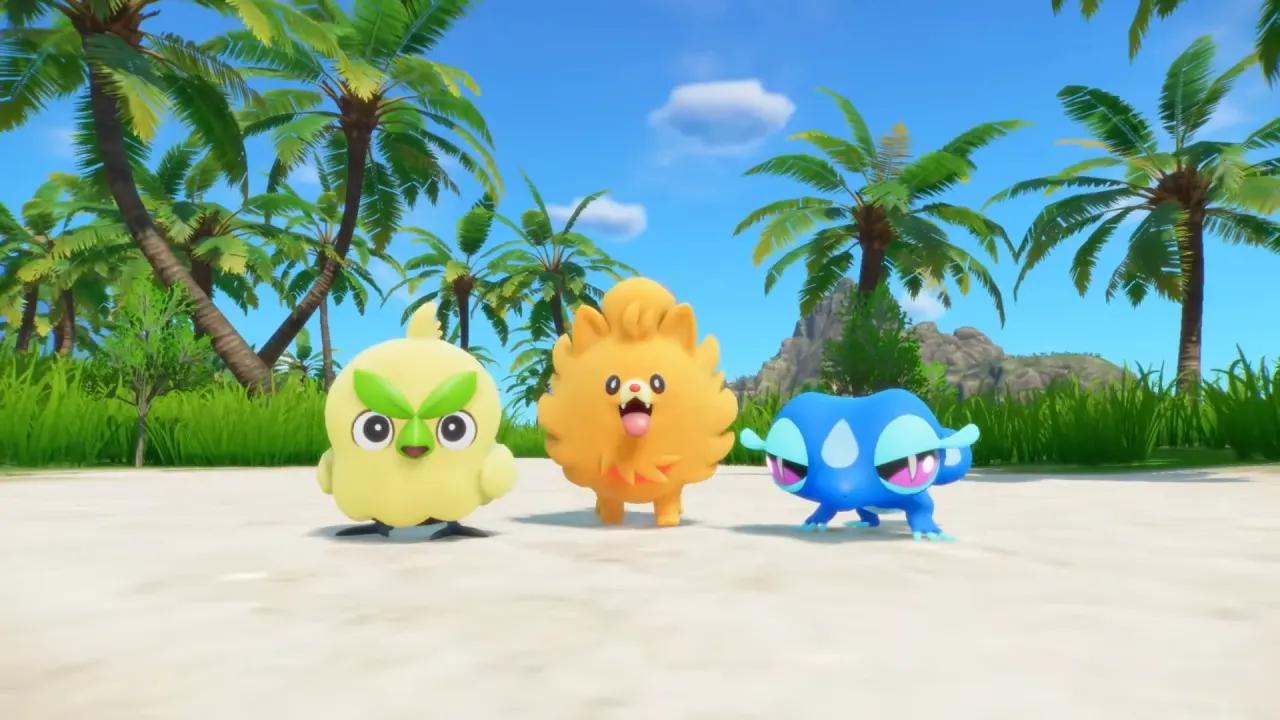
Leaked rumours suggest the upcoming Pokémon Winds and Waves game could introduce 300 new Pokémon, which would represent the largest generation in the franchise's history. This prospect has sparked concern amongst the gaming community, with some viewing it as an overwhelming addition to an already extensive roster, whilst others fear it may damage the quality of creature design.
The leaked count could include alternate forms and regional variants alongside entirely new Pokémon, though the article argues this distinction is largely meaningless given how functionally different variants can be. Game Freak's recent design output has drawn criticism, with surveys showing over 50 Pokémon received no votes in a 26,000-person poll, whilst older generations remain significantly more popular. Recent games have also shifted away from the traditional six-Pokémon party system, allowing players to swap creatures frequently—a trend that 300 new additions would likely accelerate further.
In short
- Pokémon Winds and Waves rumoured to add 300 new creatures, the largest generation ever.
- Community divided over whether this improves or oversaturates the existing Pokédex.
- Recent design quality questioned; survey shows 50+ Pokémon unpopular with fans.
Steelman: both sides, in good faith
The strongest fair case each way — we don't pick a winner.
The case for
A generation of up to 300 additions could make the game feel like a major new chapter, with more creatures and variants to discover and more choices for different play styles. If the count includes forms that play or look substantially differently, they may add meaningful variety even if they are not all entirely new species.
The case against
Such a large roster could make it harder for individual Pokémon to feel memorable and for players to form lasting attachments, especially when recent poll results suggest many newer designs have struggled to attract interest. It could also intensify the sense that the roster is unwieldy and encourage frequent swapping, weakening the satisfaction of building a close-knit team.
Explained simply
Pokémon is a long-running series of games in which players collect creatures and use them in battles. Each new generation usually adds Pokémon to a roster that has grown across many games, while regional variants give familiar creatures different appearances and abilities.
Game Freak develops the main series, and players typically build a team of up to six Pokémon. Recent games have made it easier to switch creatures during play, changing how players use their collections. The size and design of each new batch matters to fans because it affects both the feel of the games and which creatures become popular.