World news and discussion on TalkFuse.
A New Chatbot Wants to Unlock the Secrets in Tattered Ancient Greek Records
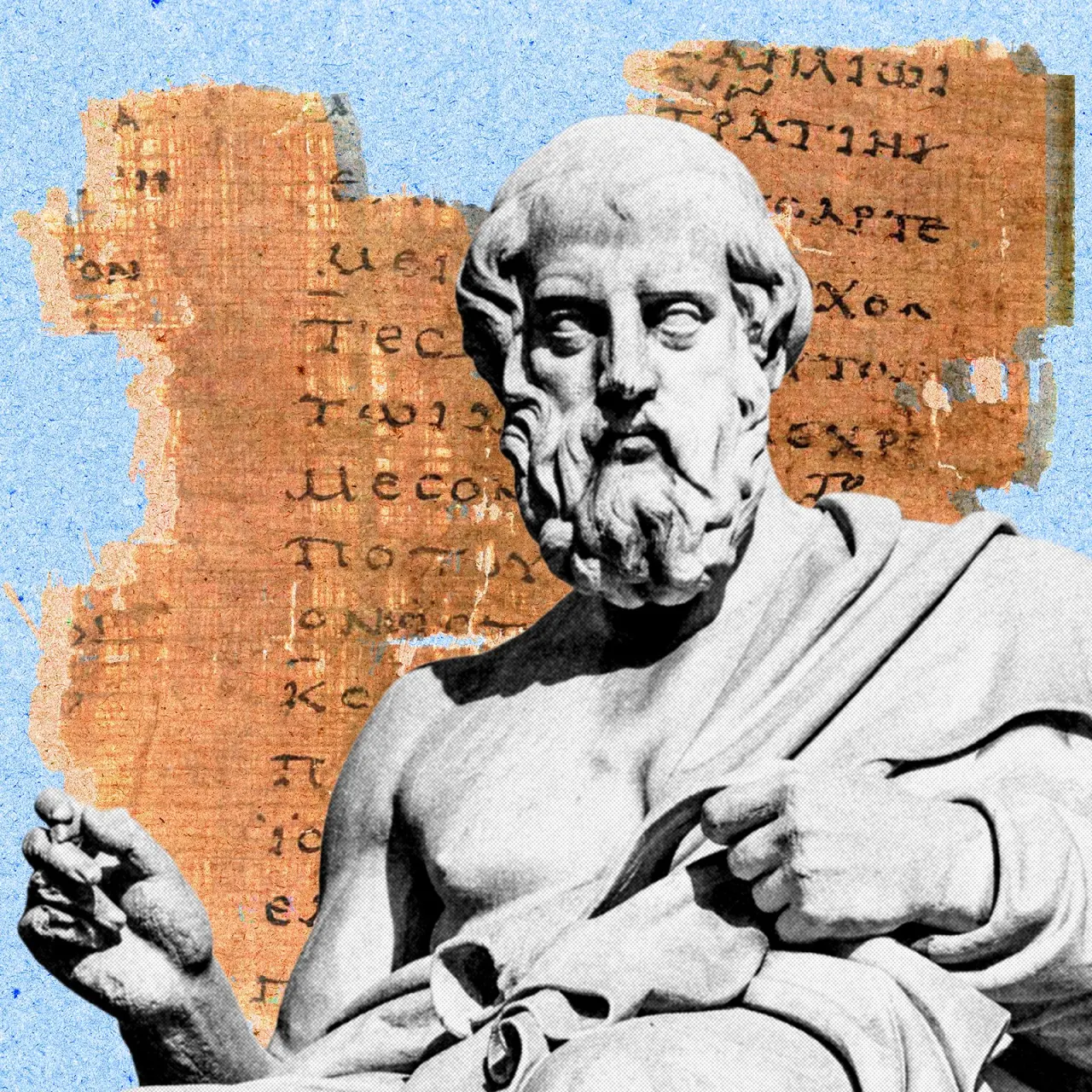
The Austrian Academy of Science is releasing Apollo, the world's first advanced artificial intelligence language model for Ancient Greek, developed in partnership with French AI lab Mistral and Sail Reply. Trained on approximately 600 million historical Greek words from manuscripts, papyri, and inscriptions, Apollo is designed to help scholars restore fragmented ancient texts by intelligently filling in missing or illegible passages. This represents a significant acceleration of work that previously required rare specialist expertise and has been described as transformative for academic research.
The model works by recognising linguistic patterns and contexts—adapting to different dialects and styles such as Homeric or Doric Greek—and proposing multiple word options for scholars to select between, ensuring human expertise remains central to the process. Previously, papyrus restoration demanded skilled academics to identify word divisions, accurately date documents, weigh socio-political contexts, and consult reference materials. Whilst the technology is unlikely to dramatically alter broad historical understanding, as many unrestored papyri contain mundane materials such as personal letters and contracts, it could uncover valuable details about daily life in antiquity and substantiate existing scholarly assumptions. The developers emphasise that human competence must remain paramount to prevent the historical record from being polluted with AI errors, and the model is built with this safeguard in place.
In short
- AI model trained on 600 million Greek words restores fragmented papyri efficiently
- Automates restoration work previously requiring rare scholarly expertise
- Scholars retain control by selecting from AI-suggested word options
Steelman: both sides, in good faith
The strongest fair case each way — we don't pick a winner.
The case for
Apollo could help scholars examine far more damaged Greek records than scarce specialist time currently allows, while offering several possible readings for experts to assess. That may reveal details about everyday life and test historical assumptions, with human judgement retained as a safeguard against errors.
The case against
Even with scholars in control, plausible AI suggestions could anchor their interpretations or introduce mistakes into records where context is incomplete. Because the model predicts likely language rather than recovering missing text with certainty, its use calls for careful scrutiny, especially if its suggestions are treated as stronger evidence than they warrant.
Explained simply
Many surviving records from ancient Greece are damaged, faded or incomplete. They include papyrus documents and inscriptions, and can be difficult to read because parts of the writing are missing or unclear.
The Austrian Academy of Sciences developed Apollo with French AI lab Mistral and Sail Reply. It was trained on a large collection of historical Greek texts and can suggest possible words or passages, while scholars assess which suggestions fit the evidence.
Most fragments may contain everyday material such as letters or contracts, but they can still reveal details about life in antiquity. Researchers must check the suggestions carefully, since an incorrect reconstruction could be mistaken for part of the historical record.
Americas Research Science World