How SATA and NVMe SSDs differ in speed and performance
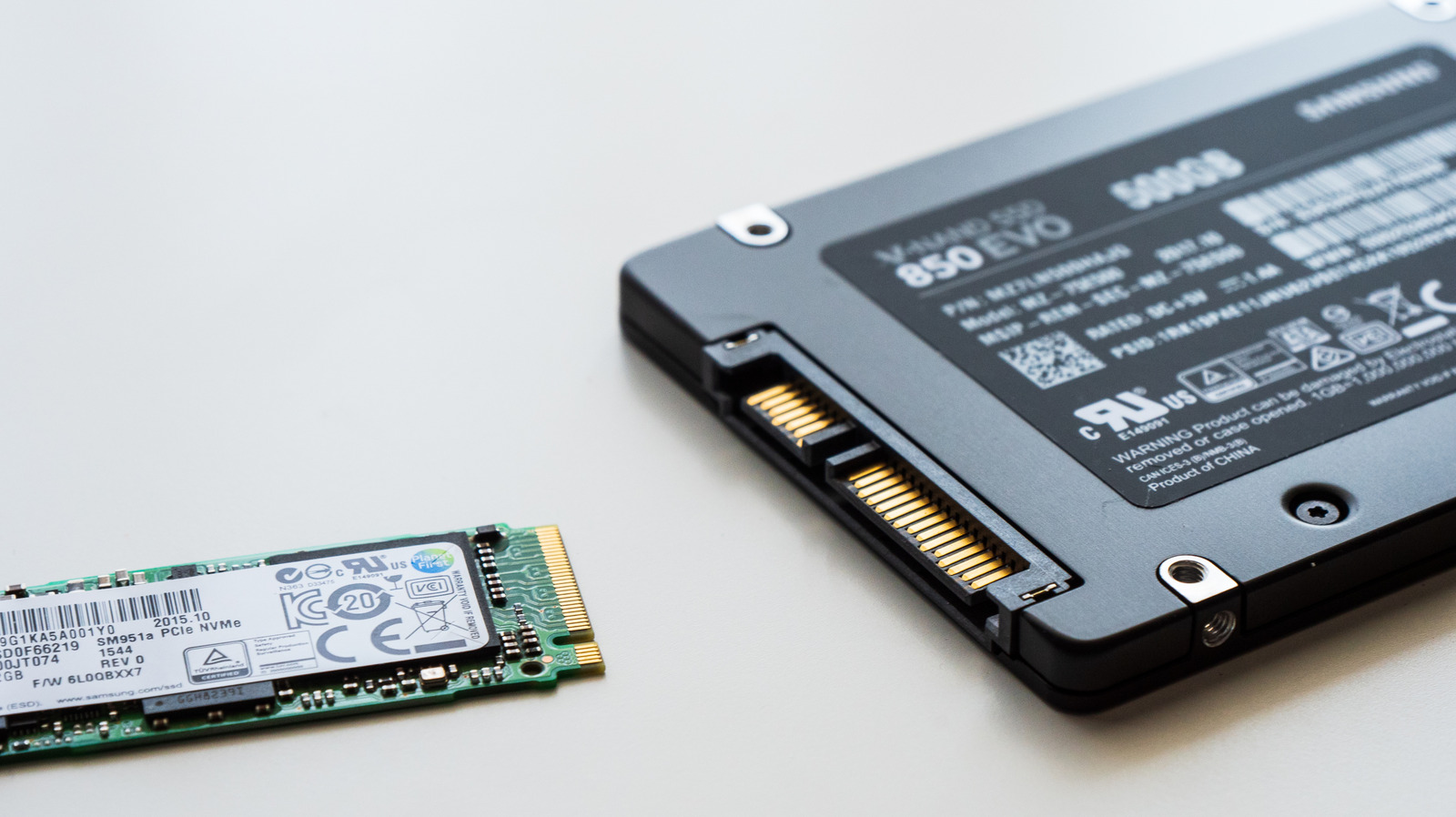
When upgrading or building a PC, buyers face a choice between two SSD standards: SATA and NVMe, which differ fundamentally in speed and technology. This distinction matters because NVMe offers substantial performance advantages, particularly for storage-intensive tasks, though SATA SSDs remain a viable and sometimes more economical alternative. The decision requires understanding both the technical differences and real-world performance implications for different use cases.
SATA SSDs achieve theoretical maximum speeds around 600 MB/s (with real-world speeds of 500–560 MB/s), whilst NVMe drives utilise PCIe connectivity to achieve far higher speeds: PCIe Gen3 drives reach approximately 3,500 MB/s and Gen5 drives approach 15,000 MB/s. However, this speed advantage doesn't always translate significantly to everyday tasks like booting or browsing, and the performance gain is most noticeable during large file transfers or video editing. A key point of confusion is that M.2 refers only to the physical form factor, not the connection type; motherboard M.2 slots may also vary in their lane configuration (x2 or x4), potentially limiting performance. For new systems, NVMe is generally recommended as the primary drive option, whilst SATA remains practical for older PCs, secondary storage, or when M.2 slots are exhausted.
- NVMe is much faster than SATA, but speed gains barely impact everyday tasks
- M.2 is only a form factor; verify motherboard specs before purchasing
- NVMe preferred for new systems; SATA viable for older PCs or budgets
Read the full article at the source →
Originally published by Engadget as “NVMe vs. SATA SSD: What’s the difference between the two drive types?”.