World news and discussion on TalkFuse.
Microsoft Overhauls Xbox Gaming Division Amid 3,200+ Layoffs and Studio Reorganisation
Developed over time first seen 2 months ago
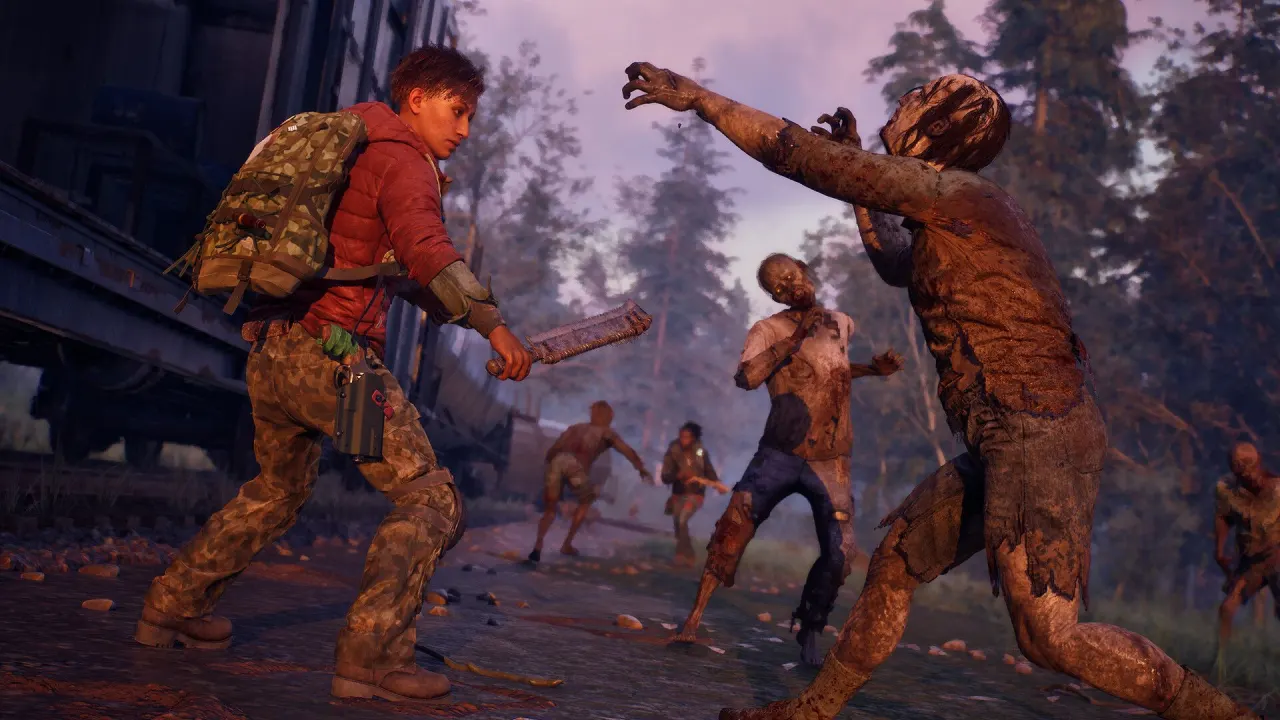
Microsoft is reorganising its Xbox gaming division alongside a planned reduction of more than 3,200 jobs, consolidating studios and shifting major franchises between subsidiaries. Halo development is moving to a new Activision-led team, while Halo Studios will remain primarily a support studio; the changes further reshape Xbox’s identity and strategy.
The latest phase includes 268 job eliminations across Halo Studios, other first-party studios and central management functions, following 1,600 layoffs in July and a further 1,600 planned. Rare and World’s Edge are moving under Activision, Obsidian under Bethesda to refocus on Fallout, casual games under King, and Playground and Turn 10 are merging; Double Fine and Compulsion have also become independent. Microsoft says the reset aims to reach more than one billion daily users by concentrating on franchises such as Minecraft, Halo and Candy Crush while reassessing Game Pass investment.
- Sources
- 4
- Outlets
- 3
- Left · Centre · Right
- 0 · 0 · 0
In short
- Xbox is cutting more than 3,200 jobs amid a major restructuring.
- Halo development is moving to a new Activision-led team.
- Multiple studios are being consolidated, merged or spun off.
How this story developed
- 2 months ago Microsoft has announced a further 268 job cuts and a major reshuffle across its Xbox gaming division, including moving Halo development to a new Activision-led team.
- 2 months ago Microsoft is conducting a comprehensive restructuring of its Xbox operations, eliminating over 3,200 jobs with additional cuts of 268 announced on 22 September.
- 2 months ago Microsoft is reorganising its Xbox gaming division alongside a planned reduction of more than 3,200 jobs, consolidating studios and shifting major franchises between subsidiaries.
- The Verge Microsoft reshapes Xbox through sweeping cuts and studio reorganisation
- Polygon Every Xbox Studio’s Current Status After Multiple Rounds of Layoffs
- Ars Technica Microsoft reshapes Xbox studios in latest consolidation and job cuts
- Polygon Undead Labs becomes employee-owned while State of Decay 3 remains on track
Full account
Microsoft has initiated a sweeping restructuring of its Xbox gaming division, eliminating approximately 3,200 positions across two phases of cuts spanning several months. The first wave, announced in July 2026, removed 1,600 employees immediately with a further 1,600 redundancies planned over the subsequent fiscal year. A second phase of restructuring commenced on 22 September, eliminating an additional 268 roles across Halo Studios, first-party development teams, and management layers. This represents a reduction of roughly 20 per cent of the organisation's total workforce and constitutes one of the gaming industry's most significant workforce contractions in recent years.
The restructuring involves a fundamental reorganisation of the company's studio portfolio and publishing infrastructure. Activision Blizzard, acquired by Microsoft less than three years previously, has emerged as the primary beneficiary, inheriting control of development for the Halo franchise alongside studios Rare and World's Edge. Concurrently, Obsidian Entertainment has been transferred from Xbox Game Studios to operate under Bethesda's governance, where it will focus on the Fallout property. Microsoft Casual Games—which manages titles including Solitaire and Minesweeper—now reports to Candy Crush developer King. Playground Games and Turn 10 Studios, responsible for the Fable and Forza franchises respectively, have been consolidated into a single operating unit. These consolidations are intended to reduce organisational independence and streamline decision-making structures that previously operated in parallel.
Several high-profile studios have been divested from Microsoft's portfolio, though with varying degrees of success and certainty. Undead Labs, the developer of State of Decay, has successfully completed its separation and now operates as an independent employee-owned venture; the studio remains committed to delivering State of Decay 3 across Xbox, PlayStation, personal computers and Game Pass during 2027, suggesting a continued commercial relationship despite the separation. Double Fine Productions and Compulsion Games similarly achieved independent status, acquiring their intellectual properties and receiving runway funding for future development. Ninja Theory and Arkane Studios remain in transitional states—both are actively being marketed to potential acquirers following failed sale negotiations, with Ninja Theory facing potential closure should no buyer materialise.
The restructuring reflects strategic priorities articulated by new chief executive Asha Sharma, who identified excessive organisational independence and duplicate functionality as impediments to coherent strategy execution. Microsoft has emphasised concentrating resources on established, commercially proven franchises including Minecraft, Halo and Candy Crush, whilst reconsidering investment levels in the Game Pass subscription service. Halo Studios, which recently released Halo: Infinite successor titles, has been substantially reduced to a community support operation, with active development transferred to Activision's purpose-built team. The restructuring remains incomplete, with company leadership indicating approximately 25 per cent of planned changes remain outstanding, suggesting further organisational upheaval is anticipated through the following year.
Where outlets differ
From the full account, which is AI-written from the sources:
Source 1 emphasises Undead Labs' successful independence and State of Decay 3's continued Game Pass availability as a positive outcome, whilst other sources focus on divestment as a loss; Source 2 notes Xbox Game Studios is 'shrinking to the brink of non-existence' and emphasises the restructuring is only three-quarters complete, a forward-looking concern absent from other sources; Source 3 provides the most extensive structural detail regarding studio reorganisation rationale, citing Sharma's original criticism of independent team operation; Source 4 adopts the most critical editorial stance ('shell of its former self', 'uncertain'), whereas Sources 1-3 maintain neutral reportage; Source 4 emphasises Sharma's ambitious goal of reaching 'more than a billion people daily' as potentially unrealistic given the scale of cuts, whilst Sources 2-3 present the strategic shift more neutrally; Source 2 specifically addresses employee concerns regarding future uncertainty and job security, a concern not emphasised in other accounts.
Steelman: both sides, in good faith
The strongest fair case each way — we don't pick a winner.
The case for
The reorganisation represents necessary strategic discipline to strengthen Microsoft's gaming division. By consolidating around proven franchises like Halo and Fallout and eliminating redundancy across studios, Microsoft can allocate resources more effectively and improve game quality. The shift toward reaching a broader audience of over one billion daily users reflects a realistic evolution beyond console-centric gaming towards mobile, cloud, and casual platforms. Streamlining Game Pass investment and focusing on a targeted portfolio allows the company to build toward sustainable profitability whilst maintaining competitive offerings.
The case against
The layoffs of over 3,200 workers represent significant human cost, particularly troubling given Microsoft's financial strength and record profitability. Beyond immediate hardship to workers, consolidating around established franchises whilst moving creative studios between divisions risks stifling the innovation and creative autonomy that produce unexpected successes. The repeated strategic reassessments—previously positioning Game Pass as core to Xbox's future, now cutting that investment—suggest unclear direction and poor planning that undermine confidence in leadership. The restructuring may ultimately weaken Xbox's competitive position by prioritising short-term efficiency over the creative independence and calculated risk-taking the gaming industry requires.
Explained simply
Xbox is Microsoft's gaming division, selling games and gaming subscriptions to compete with rivals like Sony's PlayStation and Nintendo. For several years, Microsoft has invested heavily in gaming, particularly through Game Pass, a subscription service where players pay a monthly fee to access hundreds of games. The division employs tens of thousands of workers worldwide.
Microsoft is announcing significant job cuts and a major reorganisation of its game studios. Rather than investing in a wide range of games and new projects, the company is shifting focus to concentrate on a smaller number of established, popular game franchises. This suggests Microsoft is reassessing its gaming strategy and the resources it wants to commit.
The restructuring moves studios between different Microsoft divisions and changes which franchises different teams will work on. Some studios are being placed under Activision, a gaming company Microsoft purchased in 2023, while others move to Bethesda or become independent. The changes reflect leadership's new vision for the gaming business and leave open questions about which games Microsoft will prioritise in future.
Coverage · 4 sources
- PolygonUndead Labs becomes employee-owned while State of Decay 3 remains on track
- PolygonEvery Xbox Studio’s Current Status After Multiple Rounds of Layoffs
- Ars TechnicaMicrosoft reshapes Xbox studios in latest consolidation and job cuts
- The VergeMicrosoft reshapes Xbox through sweeping cuts and studio reorganisation
Americas Art Business Companies Culture Economy Entertainment Gaming Software Technology