Business news and discussion on TalkFuse.
Our message to global leaders: we need solar power everywhere by the decade’s end | Open letter
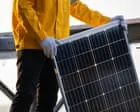
An open letter signed by figures including Bernie Sanders and Yeb Saño urges governments, businesses and the public to provide clean, affordable electricity worldwide by 2030. It links fossil-fuel dependence to climate disasters, pollution, high energy costs and conflicts over oil, arguing that rapidly expanding solar, wind and battery power could address these crises together.
The letter says nearly one billion people lack reliable electricity, while billions more pay heavily for polluting fuels. It cites falling gas use in California, rapid solar adoption in Pakistan and expanding home-solar access in sub-Saharan Africa, and calls for donations of $15 per person to provide clean electricity for a generation. It also demands an end to new coal, oil and gas projects and promotes 20 June as “Sun Day”, a global focus for accelerating the transition.
In short
- Open letter calls for clean electricity everywhere by 2030.
- Fossil fuels are linked to climate damage, high costs and conflict.
- Signatories urge solar expansion, donations and public pressure on governments.
Steelman: both sides, in good faith
The strongest fair case each way — we don't pick a winner.
The case for
A rapid global expansion of solar, wind and batteries could bring reliable electricity to people currently underserved, reduce air pollution and greenhouse-gas emissions, and make energy costs less exposed to fuel-price swings. Supporters argue that falling renewable costs and examples of fast adoption show that the transition can scale, while ending new fossil-fuel projects would help limit climate harm and conflict over resources.
The case against
Critics could agree on expanding clean energy while questioning whether a universal 2030 target and an end to all new fossil-fuel projects are practical or fair across countries with different needs and resources. They may argue that renewables and batteries cannot yet provide dependable power everywhere without substantial grid upgrades and backup, and that restricting investment too quickly could raise costs or slow development for communities that still lack reliable electricity.
Explained simply
Solar power turns sunlight into electricity, while wind turbines and batteries can also help supply power without burning coal, oil or gas. These fossil fuels remain a major source of energy, but their use produces pollution and greenhouse gases that contribute to climate change.
The letter is signed by public figures including US senator Bernie Sanders and climate campaigner Yeb Saño. It focuses on the uneven access to electricity: many people lack a reliable supply, while others depend on costly, polluting fuels.
The debate involves governments, businesses and the public, and centres on how quickly clean power can be built and made affordable. It also raises questions about ending new fossil-fuel projects and how to pay for energy access in places that currently have little reliable electricity.
Business Climate Geopolitics Politics Science