Video games news, releases, esports and culture — all the biggest gaming stories in one place.
3 Years Ago, Matthew Mercer Faced His Ultimate Critical Role Test
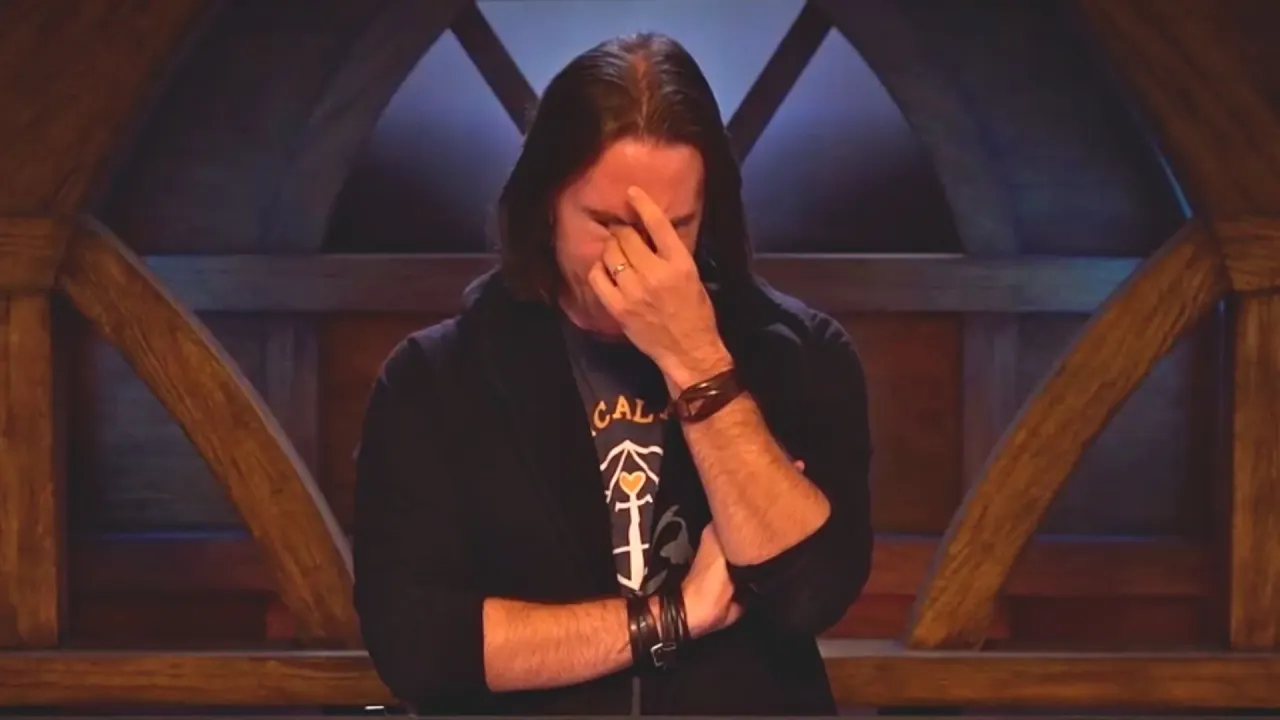
Three years ago, Critical Role’s Bells Hells faced suspected enemies in a basement and chose an outrageous alternative to fighting or fleeing: they stripped off and pretended to be filming pornography. The scene tested Dungeon Master Matthew Mercer’s ability to improvise, but became a memorable example of the cast’s humour, creativity and willingness to pursue an absurd idea.
The episode, “Bawdy Basement Belligerence”, took place during the campaign’s more serious storyline involving Ruidus and Predathos. Players used high rolls, disguises and improvised roles—including a werewolf “repairman”—to convince an air elemental and its companions of their story, though the deception was eventually uncovered. Mercer later said the escalating plan represented the joy of Dungeons & Dragons, showing how player agency can reshape prepared scenarios while contributing unexpected world-building.
In short
- Bells Hells avoided danger by pretending to film pornography.
- Mercer embraced the cast’s wildly improvised plan.
- The episode highlighted player agency and collaborative storytelling.
Explained simply
Critical Role is a show in which a group of actors play Dungeons & Dragons, a role-playing game where players invent characters and make choices in a shared fantasy world. Matthew Mercer is the Dungeon Master: he describes the world, plays its other inhabitants and responds to the players’ decisions.
Bells Hells is the group of characters in the show’s third campaign, which includes a larger story involving Ruidus, a mysterious red moon, and Predathos, a force connected to it. The basement encounter became notable because the players tried to fool suspected enemies with an improvised, deliberately ridiculous performance instead of fighting or escaping.
The scene shows how Dungeons & Dragons can shift when players take an unexpected approach, leaving the Dungeon Master to adapt in the moment. It also became a much-discussed example of the cast’s humour and the way their choices can add unplanned details to the story’s world.