Culture news and discussion on TalkFuse.
AI company plans hyper-realistic concerts featuring deceased music stars
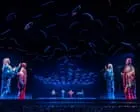
Unit1 Studio, led by CEO Barney Wragg, has secured significant investment to develop hyper-realistic AI avatars of deceased musicians for concert performances. The company plans to create "avatar concerts" featuring digital recreations of artists including Janis Joplin, the Beatles, and Hendrix, with AI simulating authentic human details such as tear evaporation and subcutaneous blood flow changes during performance. This expansion follows the success of projects like Abba Voyage and represents a substantial shift in how audiences might experience live music from deceased performers.
Wragg frames the technology as "time-travel tourism" offering documentary fidelity—precisely recreating historical moments rather than creative reinterpretation—though it requires permission from musicians' estates. The article questions this framing, noting that avatar concerts represent science fiction entertainment rather than genuine documentation, replacing live human performers with expensive LED displays in venues traditionally reserved for flesh-and-blood musicians. The technology faces limitations for pre-digital-era artists lacking sufficient recordings to recreate authentically.
In short
- AI avatars of dead musicians now realistic enough for concert performances worldwide
- Unit1 Studio plans "zombie concerts" of iconic deceased artists like Joplin and Hendrix
- Critics argue it's entertainment fiction replacing live performance, not historical documentation
Steelman: both sides, in good faith
The strongest fair case each way — we don't pick a winner.
The case for
With permission from the estates, highly faithful avatars could let audiences experience landmark performances that would otherwise be inaccessible, while preserving details of artists’ stagecraft for future generations. Supporters may see this as an extension of concert technology, offering fans a distinctive form of entertainment and giving estates a way to sustain interest in musicians’ work.
The case against
Even with estate approval, a convincing avatar may create the impression of an authentic performance without the living artist’s presence or creative agency. Critics may argue that calling it documentary fidelity overstates what a reconstruction can show, and that costly spectacles risk substituting technological simulation for live musicians while excluding artists whose recordings are too limited.
Explained simply
AI avatars are computer-generated versions of real people, designed to look and move like them on screen. In music, they can be used to stage performances by artists who have died, drawing on recordings, photographs and other material from their lives.
Unit1 Studio is a company led by Barney Wragg, and musicians’ estates are among the key parties because their permission is needed to use an artist’s likeness and work. ABBA Voyage, a show featuring digital versions of ABBA, has helped make this kind of concert more familiar to audiences.
These shows raise questions about how closely a digital performance can represent a real artist, especially when older musicians left fewer recordings and images to draw on. They also blur the line between a concert and a computer-generated recreation, with implications for artists’ estates, performers and audiences.
Read the full article at the source →
Originally published by The Guardian as “The living dead: we can watch ‘Janis Joplin’ perform or reunite the Beatles, but who are the real winners here?”.