Technology news and discussion on TalkFuse.
Jeffrey Katzenberg Says Hollywood Must Accept AI as a Tool: It ‘Is Not Going Away’
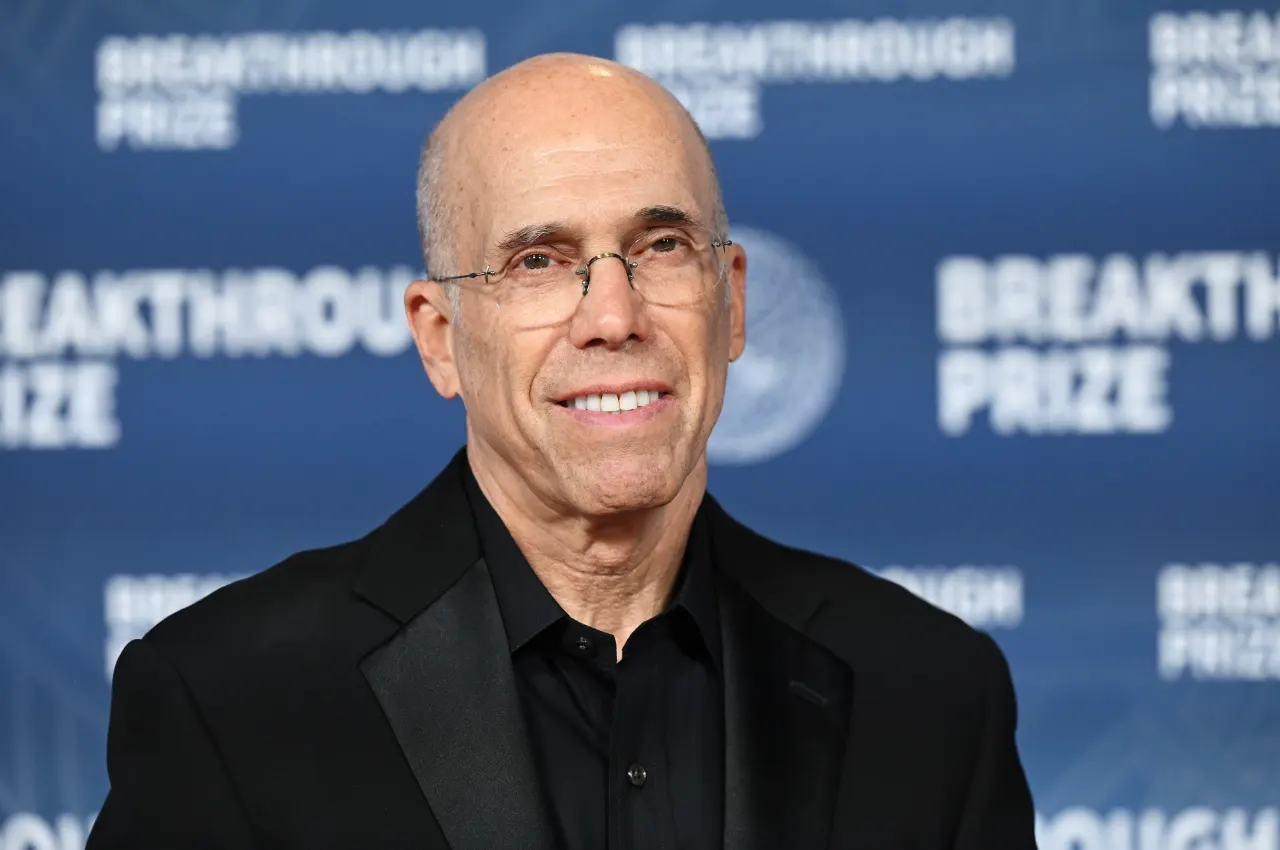
Jeffrey Katzenberg, the prominent Hollywood producer, has urged the entertainment industry to accept artificial intelligence as an inevitable tool rather than resist it. In a 2,377-word essay published on X, Katzenberg argued that Hollywood's energy spent trying to eliminate AI would be better spent establishing fair terms for its use. He stressed that the industry's true competitive advantage lies in human creativity—the ability to tell stories that resonate emotionally with audiences—which AI cannot replicate.
Katzenberg drew parallels to past technological shifts, particularly computer-generated imagery, where initial resistance gave way to innovation; he noted that whilst some animators lost jobs during the transition to CGI at DreamWorks, the industry expanded overall rather than contracted. His own company, WndrCo, recently invested in Reactor, a startup developing real-time AI video generation tools, and he is reportedly exploring creating another AI video venture with a former OpenAI executive. He contends that historical precedent—from synchronised sound to colour to computer animation—demonstrates that storytelling mediums grow larger when meeting genuine technological shifts, and he anticipates this pattern will repeat with AI.
In short
- Katzenberg says Hollywood must accept AI as inevitable; focus should be on fair terms, not resistance
- He compares AI adoption to past tech shifts like CGI, which initially faced backlash but expanded the industry
- His company invested in AI video tools; he predicts AI will generate more films and new storytelling forms
Steelman: both sides, in good faith
The strongest fair case each way — we don't pick a winner.
The case for
AI may become a useful production tool, and trying to prohibit it outright could leave the industry less able to shape how it is used. Past shifts such as computer animation created new ways to tell stories and, despite disruption for some workers, coincided with industry growth; thoughtful rules could help share benefits while protecting creative work.
The case against
AI adoption could weaken livelihoods and bargaining power for writers, performers, animators and other workers if their work is used or replaced without meaningful consent or compensation. Past technologies do not guarantee the same outcome: AI could concentrate gains among studios and technology firms, while making it harder to distinguish, value and sustain human creative contributions.
Explained simply
Hollywood has adapted to new production technologies before, including synchronised sound, colour film and computer-generated imagery. These changes affected how films were made and the work available to some people, while also creating new ways to produce and tell stories.
Jeffrey Katzenberg is a film producer who helped lead DreamWorks Animation. He has also invested in Reactor, a company developing AI video tools, and says the industry should focus on setting fair rules for AI’s use.
The debate matters to film-makers, performers and other workers whose jobs or creative work could be affected by AI. It also raises questions about how new tools might change film production and whether audiences will respond to the stories they help create.
AI Americas Entertainment Film Technology World