Entertainment news and discussion on TalkFuse.
Meta Introduces New VR Glasses With Access To Content From YouTube, Prime Video, HBO Max, Disney+ & More
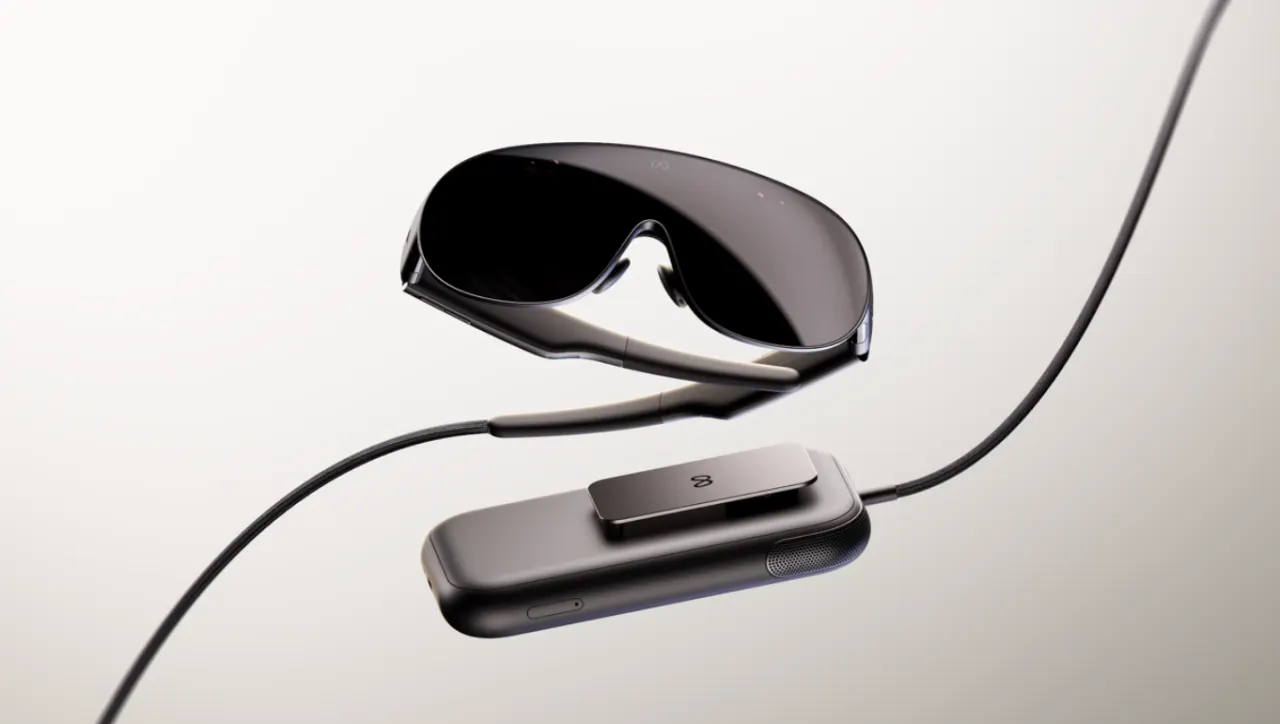
Meta has announced a new generation of virtual reality glasses scheduled for release in spring 2027 at a price of $1,300. The device will function as an all-in-one productivity and media platform, offering cinema, television and sports content through major streaming services including Prime Video, YouTube, HBO Max and Paramount+. This announcement positions Meta as a direct competitor to Apple's Vision Pro in the consumer VR market.
The Meta VR Glasses are five times lighter than their predecessor, the Quest 3, thanks to a split design comprising lightweight frames and a separate pocket-sized computing unit called a "puck" connected by an optical tether. The device uses hand gestures or eye-tracking controls to navigate "theater-sized" virtual screens for content and productivity applications. Content partnerships include hundreds of 3D films from Disney+, Lionsgate and filmmaker James Cameron, whilst sports coverage will feature over 100 immersive live events annually from the NBA, MLB and UFC, with ESPN delivering 8K streaming and 180-degree viewing angles.
In short
- Meta's new VR headset launches spring 2027 at $1,300.
- Five times lighter than Quest 3 with split-design two-part setup.
- Over 100 annual immersive sports events across major leagues.
Steelman: both sides, in good faith
The strongest fair case each way — we don't pick a winner.
The case for
The glasses could make immersive entertainment and practical work more accessible by pairing a much lighter headset with major streaming services, live sport and productivity tools. For consumers who value large virtual screens and shared access to familiar content, the broad partnerships and lighter design may make the high price worthwhile and strengthen competition in a developing market.
The case against
At $1,300, the device remains a costly way to watch content that many people can already access on televisions, phones or computers, and its separate computing puck and tether may limit convenience. The emphasis on immersive viewing also raises a reasonable question about whether the experience and range of uses will justify the price for more than a niche of enthusiasts.
Explained simply
Virtual reality devices use screens and sensors to create digital spaces that users can look around and interact with. Meta’s Quest headsets are among the best-known consumer models; Apple’s Vision Pro is a more expensive rival that also combines entertainment and work features.
Streaming services such as YouTube and Prime Video provide films, programmes and other video, while sports organisations and broadcasters offer live events. Putting these services on virtual screens could let viewers watch in an immersive setting, and may also give people a way to use several digital screens for work.
These devices matter to technology companies seeking new ways to sell entertainment and productivity tools. Their appeal may depend on factors such as price, comfort, available content and how easily people can use them in everyday life.
Entertainment Film Trending TV Weird & Viral