Video games news, releases, esports and culture — all the biggest gaming stories in one place.
The Division’s New Release is Going Up Against Zelda
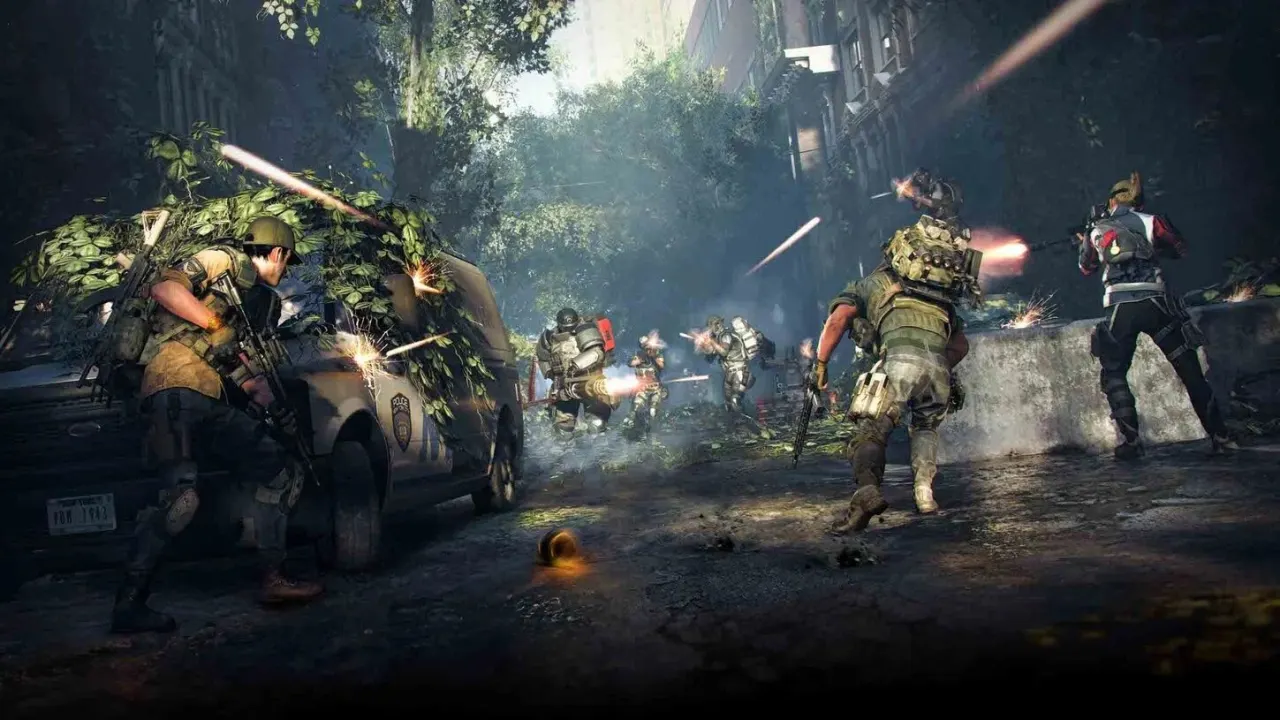
Ubisoft has announced that The Division 2: Echoes of Central Park will launch on 3 November, just two days before Nintendo releases The Legend of Zelda: Ocarina of Time on Switch 2. The timing puts the expansion in direct competition with a major remake of an all-time classic, though the two games may appeal to different audiences sufficiently to both succeed. The expansion marks the first time Central Park will be explorable in The Division series, presenting it as an overgrown, ominous location where the Division must investigate a distress signal and confront a mysterious new threat.
The DLC leans heavily into horror, with a narrative centring on paranoia and rumours becoming reality. Players will explore a new map stretching from Lincoln Square to the Dakota District, and can fight alongside three new companions. The expansion introduces a new endgame system where players begin as hunted prey before gradually acquiring gear and skills to reverse the dynamic, alongside six new skill variants, a new gear set, and an exotic weapon called The Ratel. The expansion is available on PlayStation 4, Windows PC and Xbox One.
In short
- Division 2 expansion launches 3 November, two days before Zelda Ocarina of Time
- Central Park becomes explorable location with horror-focused story
- New endgame system shifts players from hunted prey to hunters
Steelman: both sides, in good faith
The strongest fair case each way — we don't pick a winner.
The case for
The release timing appears commercially risky given Zelda's unparalleled cultural reach and player enthusiasm; a legendary franchise remake will almost certainly dominate gaming discourse, streamers, and player attention during this critical launch window. With limited entertainment budgets, many players will likely defer The Division expansion to prioritise Nintendo's release, potentially undermining the DLC's commercial performance and visibility.
The case against
The two games operate within sufficiently distinct markets—Zelda as a Switch 2 exclusive serving players seeking narrative-driven single-player adventure, whilst The Division functions as a multiplayer-focused looter-shooter across multiple platforms for players seeking ongoing cooperative content and loot progression. Their genre differences and platform exclusivity mean they needn't substantially compete for the same audience, allowing both releases to find commercial success.
Explained simply
The Division 2 is an online action game set in a near-future Washington, DC, where players work as agents of a government response group called the Division. Its story continues through paid expansions, which add new places to explore, missions and equipment.
The new expansion centres on Central Park in New York, a location that has not previously been explorable in the series. Ubisoft is the game’s publisher, while Nintendo makes the Zelda games; the two releases belong to different series and offer different styles of play.
Their close release dates put them in competition for players’ time and spending, although fans of one game may not be choosing between them. The overlap may therefore matter more to sales and attention than to whether either game can find an audience.