World news and discussion on TalkFuse.
Fast-food drive-thrus took over American mornings for these key reasons
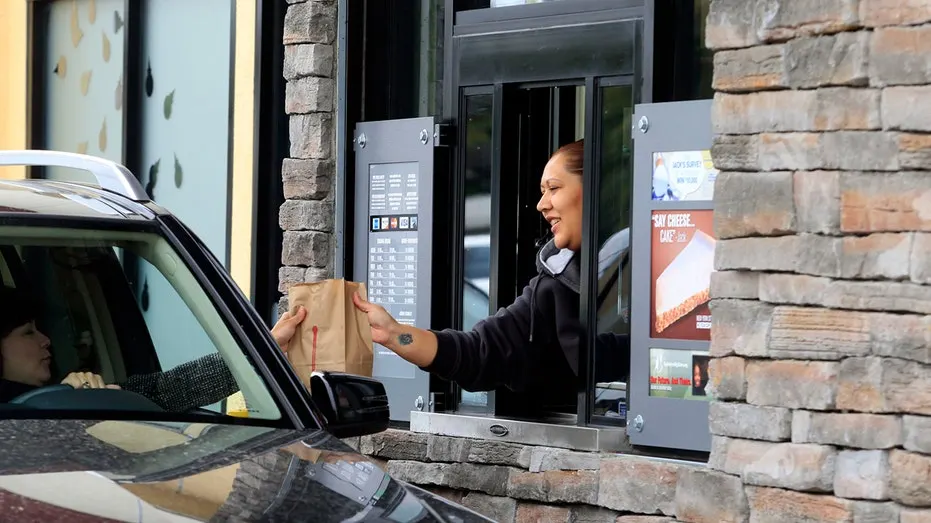
Drive-thrus evolved from a novelty into a routine part of American mornings because cars, suburbs and highways made eating on the move increasingly practical. Their appeal has been reinforced by convenience and an increasingly on-the-go lifestyle, with breakfast and coffee becoming common drive-thru purchases.
Red’s Giant Hamburg in Missouri may have introduced the concept in 1947, although In-N-Out is widely credited with pioneering the two-way intercom system in 1948. Jack in the Box launched breakfast in 1969, McDonald’s introduced the Egg McMuffin in 1971 and opened its first drive-thru in 1975; drive-thrus now generate about 70% of McDonald’s sales and two-thirds of Starbucks’ sales.
In short
- Cars and suburban growth helped make drive-thrus mainstream.
- Fast-food breakfast developed gradually during the late 1960s and 1970s.
- Drive-thrus now account for major shares of McDonald’s and Starbucks sales.
Explained simply
American drive-thrus grew alongside car ownership and suburban expansion, as more people travelled by road and had fewer reasons to stop for a sit-down meal. The format let customers order and collect food without leaving their cars.
Several businesses helped make drive-thru meals and breakfast familiar. Red’s Giant Hamburg in Missouri may have introduced the idea in 1947, while In-N-Out is often credited with pioneering the two-way intercom a year later; Jack in the Box added breakfast in 1969, and McDonald’s followed with the Egg McMuffin in 1971 and its first drive-thru in 1975.
Drive-thrus now account for about 70% of McDonald’s sales and two-thirds of Starbucks’ sales. Their role shows how convenience and travel habits have shaped the way many Americans buy breakfast and coffee.