Entertainment news and discussion on TalkFuse.
6 Best Animated Movies Released Since 2010, Ranked
Developed over time first seen 2 months ago
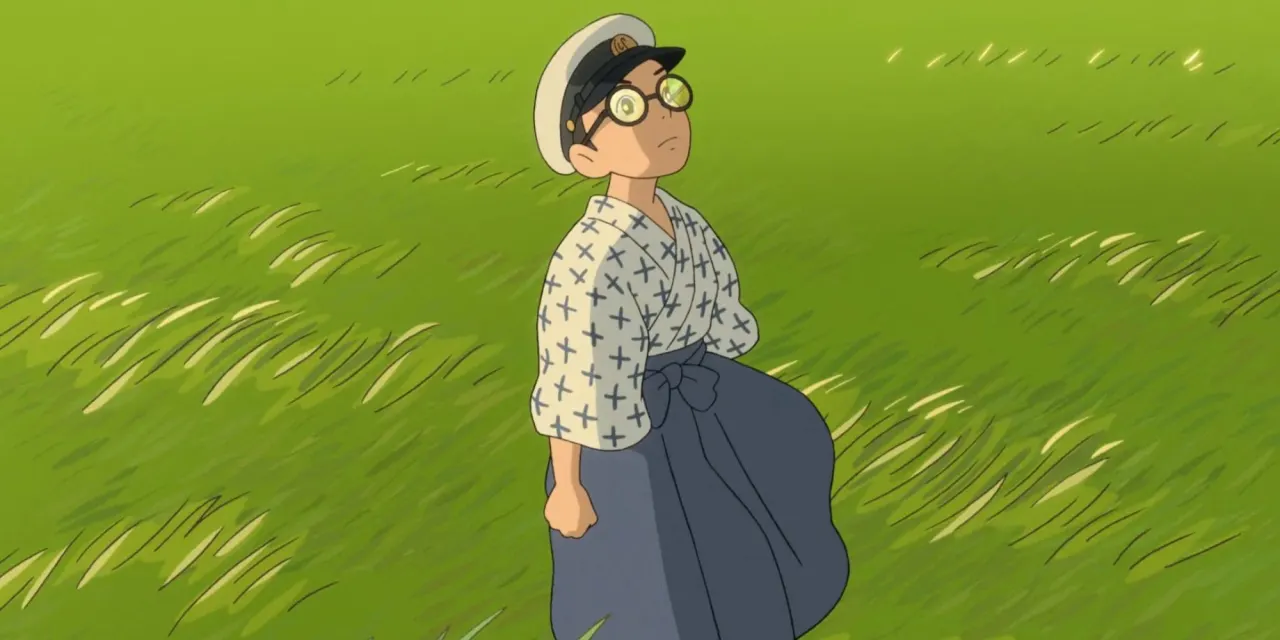
The article ranks six of the strongest animated films released since 2010, arguing that animation has undergone a creative renaissance as studios, audiences and critics increasingly recognise the craft involved. It highlights the industry’s shift away from Pixar’s dominance, with DreamWorks, Sony, Laika, Aardman and international studios taking greater creative risks.
– Guillermo del Toro’s Pinocchio is praised for its handcrafted stop-motion style, darker tone and exploration of fascism and outsiders.– The LEGO Movie is celebrated as an unexpectedly thoughtful, funny satire about creativity, play and storytelling.– Zootopia is described as a durable example of Disney producing an ambitious original story outside Pixar’s influence.
- Sources
- 2
- Outlets
- 1
- Left · Centre · Right
- 0 · 0 · 0
How this story developed
- 2 months ago The article ranks six of the strongest animated films released since 2010, arguing that animation has undergone a creative renaissance as studios, audiences and critics increasingly recognise the craft involved.
Full account
Recent decades have seen animated cinema gain wider critical recognition, with studios increasingly treating the medium as a major creative and commercial commitment. The first source argues that every visible element of an animated feature must be designed rather than simply captured on camera, making production unusually labour-intensive. It places the strongest post-2010 films within a changing industry: Pixar remained influential but faced uneven results, while DreamWorks, Sony Pictures Animation, smaller studios and international distributors broadened the range of work reaching audiences.
Among the titles highlighted, Guillermo del Toro’s Pinocchio is presented as a particularly ambitious reinterpretation of Carlo Collodi’s tale. The stop-motion film uses its handmade form to complement a story about an artificial boy seeking humanity, while moving the action into fascist Italy and retaining darker aspects of the source material. The report links this approach to recurring concerns in del Toro’s work, especially sympathy for marginalised figures branded as monstrous and an interest in authoritarian violence viewed through a child’s perspective.
The LEGO Movie is described as an unexpectedly successful example of animation built around a commercial brand. Rather than functioning solely as an extension of Lego merchandising, the source credits directors Phil Lord and Chris Miller with finding a more inventive use for the toy’s established themes. Its inclusion reflects the article’s wider argument that mainstream animation since 2010 has often succeeded when studios have allowed ostensibly risky or unlikely concepts to develop a distinctive identity.
However, the supplied material does not contain the complete ranking, nor does it provide enough information to identify the remaining four films or substantiate their positions. It also mentions forthcoming projects attributed to Brad Bird and Laika, but those references are prospective context rather than entries in the stated ranking. A complete account of all six films would require the unabridged original report or additional relevant sources.
Where outlets differ
From the full account, which is AI-written from the sources:
Source 1 concerns animated films and provides partial discussion of Guillermo del Toro’s Pinocchio and The LEGO Movie, alongside industry context. Source 2 appears unrelated: it discusses television miniseries, including The Night Of and I May Destroy You, and supplies no usable evidence for an animated-film ranking.
The first source is truncated midway through its discussion of The LEGO Movie, so it does not reveal the full six-film list or ordering. The second source neither confirms nor challenges that ranking.
Steelman: both sides, in good faith
The strongest fair case each way — we don't pick a winner.
The case for
The article identifies a genuine creative renaissance in animation since 2010, driven by industry-wide recognition of the medium's artistic potential and appetite for creative risk-taking. Films like del Toro's handcrafted Pinocchio with serious thematic ambition, The LEGO Movie's satirical depth, and Zootopia's original storytelling demonstrate that animation now attracts sophisticated talent and achieves both critical merit and cultural resonance, marking meaningful progress beyond earlier, more formulaic periods.
The case against
Describing a 'creative renaissance' conflates subjective preference with objective progress, particularly when comparing against Pixar's earlier masterworks like Toy Story and Up, which arguably remain unmatched in artistic achievement and innovation. A curated selection of six films does not constitute evidence of industry-wide improvement; the article demonstrates that contemporary animation is different, not genuinely superior to prior decades.
Explained simply
Animated films are made by creating images frame by frame, using techniques such as computer graphics, stop-motion models or hand-drawn pictures. Since 2010, films from a wider range of studios and countries have drawn attention for their visual craft and storytelling.
Pixar was long a leading name in popular feature animation, but other studios, including DreamWorks, Sony, Laika and Aardman, have also developed distinctive films. Guillermo del Toro’s Pinocchio uses stop-motion to tell a darker story touching on fascism and outsiders, while The LEGO Movie plays with ideas about creativity and storytelling.
Disney’s Zootopia is an original story about animals living in a city, rather than part of an established film series. These films show the variety of subjects and styles animation can take, and why the medium is judged for more than its appeal to children.