Video games news, releases, esports and culture — all the biggest gaming stories in one place.
I got whomped by an Ork horde in Total War: Warhammer 40,000, definitely on purpose, to teach you a lesson about positioning
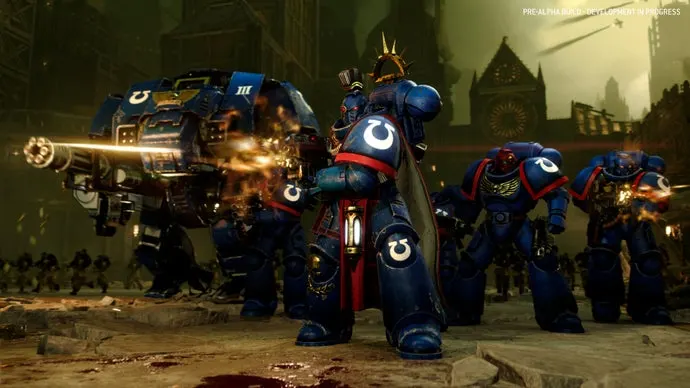
A Gamescom demo of Total War: Warhammer 40,000 left the writer eager to play the full game, despite offering only brief, carefully staged sessions. The preview suggests the game retains the series’ grand-strategy structure while placing greater emphasis on ranged combat, terrain and battlefield positioning, with poor deployment potentially outweighing favourable unit match-ups.
The campaign includes base-building, army movement and battles, although the demo did not show much of its interplanetary systems or construction mechanics. Players can prepare for engagements using orbital fleets, bombardments, gunships and huge artillery pieces, assembling the right support before battle; however, the writer’s skirmish against an overwhelming Ork horde demonstrated how badly things can go when positioning fails.
In short
- Positioning may matter more than unit match-ups.
- Ranged combat and terrain are central.
- Orbital support can shape future battles.
Explained simply
Total War is a strategy game series in which players manage armies and territory on a large campaign map, then direct battles between their forces. Warhammer 40,000 is a science-fiction setting built around rival human and alien factions fighting across the galaxy; Orks are one of its alien groups, known for their large, aggressive warbands.
In this game, players are expected to build bases, move armies between planets and choose how to support battles. Terrain and the placement of troops can shape a fight, while fleets and heavy weapons can provide support from above. These choices matter because even a strong army may struggle if it enters battle in a poor position.