Politics news and discussion on TalkFuse.
International Documentary Association Calls On Israeli Government To Halt “Campaign Of Threats” Against ‘NAZA’ Directors
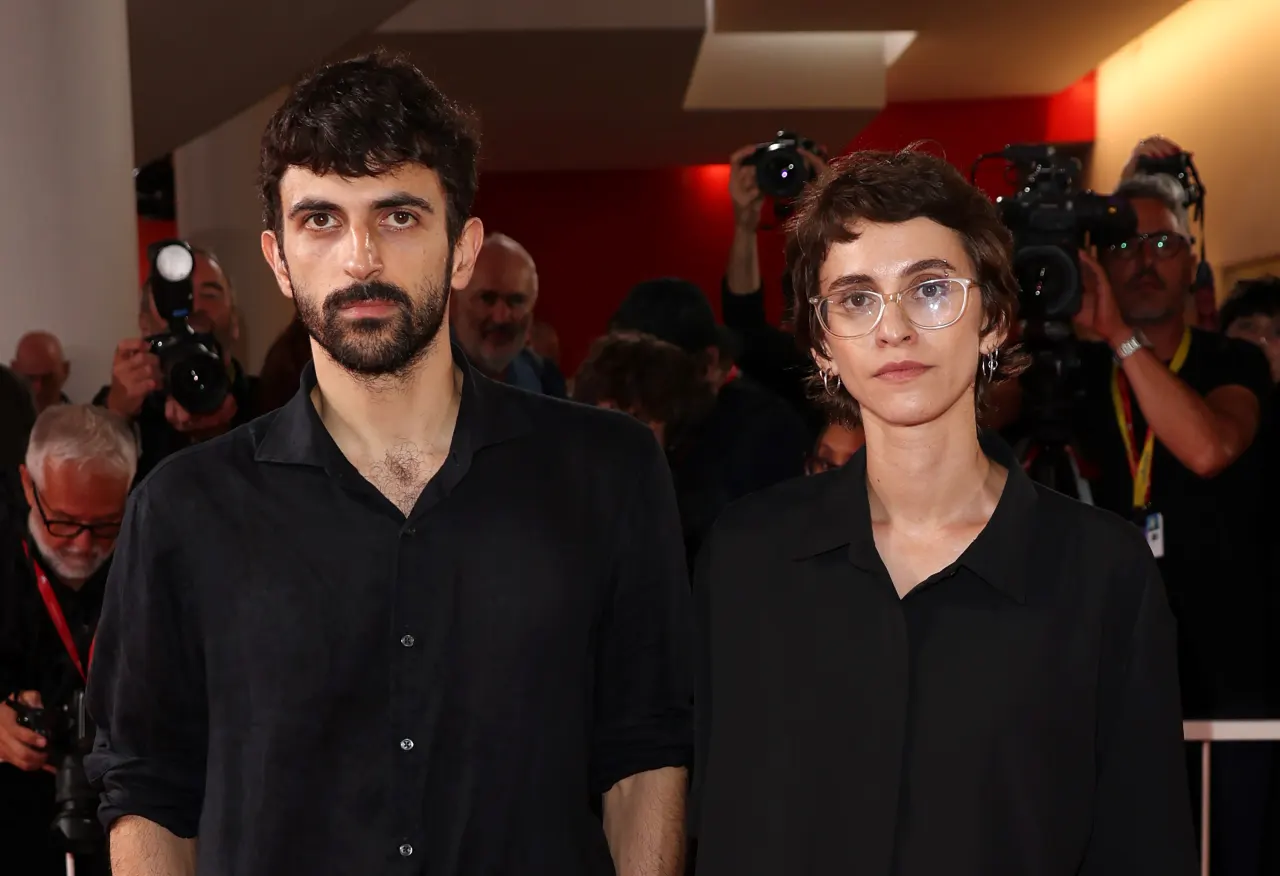
The International Documentary Association has urged the Israeli government to end what it describes as threats and intimidation against Yuval Abraham and Rachel Szor, directors of the Gaza war documentary *NAZA*. The appeal follows accusations by Israeli officials that the filmmakers committed treason, and has intensified debate over freedom of expression, press protections and Israel’s response to criticism of its military conduct.
*NAZA* draws on interviews with 24 Israeli military intelligence personnel and soldiers, whose identities were concealed, alleging that civilian deaths were treated as acceptable in attacks on suspected Hamas targets. The film claims that one operation authorised the deaths of up to 500 civilians; the Israel Defense Forces denies its allegations. More than 250 people, including Javier Bardem, Mark Ruffalo and prominent documentary filmmakers, have signed the IDA’s letter, while a protest is planned outside the film’s New York screening.
In short
- Documentary directors face alleged Israeli government intimidation.
- *NAZA* alleges extensive civilian harm in Gaza operations.
- More than 250 figures signed the IDA’s appeal.
Steelman: both sides, in good faith
The strongest fair case each way — we don't pick a winner.
The case for
Press freedom advocates argue that documentary filmmakers must be able to investigate and critique government conduct without state intimidation, particularly regarding allegations of civilian deaths in military operations—a matter of profound public importance. They contend the filmmakers acted responsibly by concealing sources' identities, and that such accountability journalism is essential to democratic societies. They argue that threatening journalists for critical reporting is authoritarian behaviour incompatible with democratic norms, and that independent investigation serves the public interest when official channels may prove inadequate. International protections for press freedom exist precisely to prevent states from silencing uncomfortable scrutiny, they maintain.
The case against
Israeli officials argue that legitimate security concerns drive their response, distinguishing operational security from political censorship. They contend that detailed information about military intelligence operations and personnel—even if anonymised—creates genuine risks to serving personnel and operational security, justifying investigation under established laws protecting classified information. They argue that if documentary filmmakers can freely disclose sensitive military information without consequence, the foundation of military security and personnel safety is fundamentally undermined. From this perspective, enforcing security law is not suppression of criticism but essential protection of military personnel and operations.
Explained simply
NAZA is a documentary about the Israeli military's conduct in Gaza. It features confidential interviews with 24 members of the Israeli military and intelligence services who discuss their experiences in military operations.
In these interviews, the military personnel allege that civilian deaths were treated as acceptable in operations targeting suspected Hamas positions. According to the film, one operation authorised up to 500 civilian deaths; the Israeli Defence Forces disputes this claim.
The documentary has prompted significant controversy in Israel, with government officials accusing the directors, Yuval Abraham and Rachel Szor, of treason. The dispute has raised broader questions about freedom of expression, the right to scrutinise military conduct, and how governments respond to critical examination of their armed forces.
Elections Entertainment Film Government Middle East Politics World