World news and discussion on TalkFuse.
When dated films provoke laughter, audiences can spoil the experience
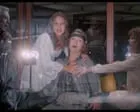
Audiences can unintentionally turn serious films into comedies when outdated scenes, effects or cultural attitudes clash with modern expectations. The article argues that disruptive, “performative” laughter can ruin the atmosphere for other viewers and undermine the intentions of filmmakers, particularly in repertory cinemas such as London’s Prince Charles Cinema.
John Boorman’s Exorcist II: The Heretic illustrates the problem: audiences expecting another frightening film were confused by its ambitious, fantastical approach and responded with laughter. The $14m sequel quickly developed a disastrous reputation, prompting Boorman to re-edit it during its theatrical run, although the changes came too late to reverse its commercial and critical failure.
In short
- Unintended laughter can destroy a serious film’s atmosphere.
- Exorcist II confused audiences expecting conventional horror.
- Boorman’s rushed re-edit could not repair its reputation.
Steelman: both sides, in good faith
The strongest fair case each way — we don't pick a winner.
The case for
Cinema is a shared communal experience where one person's behaviour affects others. Disruptive laughter undermines the artistic vision that filmmakers worked hard to create and robs other audience members—particularly those experiencing a classic film for the first time or studying it seriously—of their opportunity to engage meaningfully with the work. When audiences react to outdated elements with performative laughter rather than genuine engagement, it transforms the viewing experience into something the filmmakers never intended.
The case against
Laughter is a natural, honest reaction to incongruity or unexpected elements, and trying to suppress how people respond to what they see on screen is paternalistic and undermines the organic nature of film-going. The responsibility for a film's reception lies primarily with the filmmakers' creative choices, not with audiences; if elements provoke unintended responses, that reflects artistic decisions made at the time. Audiences engaging with historical films in a new light represents a legitimate and evolving form of cultural appreciation rather than a failure to be managed.
Explained simply
When audiences watch older films, outdated visual effects, dialogue or cultural attitudes can seem unintentionally funny to modern viewers, even though the filmmakers intended them to be serious. This laughter can spread through a cinema, turning what were meant as dramatic moments into unintended sources of amusement.
The problem is that this disrupts the experience for viewers who want to engage with the film seriously. In repertory cinemas, where dedicated audiences gather to watch older films, such involuntary laughter undermines the filmmakers' original intentions and disturbs the atmosphere others wish to experience.
The 1970s sequel to The Exorcist exemplifies this tension: audiences found the film confusing and unintentionally comic despite its director's serious intentions. This illustrates the broader mismatch between how creators intended their work to be received and how modern audiences actually interpret it.
Americas Culture Entertainment Film Space Technology World
Read the full article at the source →
Originally published by The Guardian as “The Guide #262: Why laughing at the movies isn’t always funny”.