Business news and discussion on TalkFuse.
‘One of Britain’s rarest birds walked past my kitchen window’
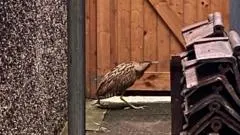
A juvenile bittern, one of Britain’s rarest and most elusive birds, was unexpectedly seen in gardens, a river and a cemetery in Sheffield. The unusual urban appearance attracted public attention because bitterns normally live in wetlands and reedbeds, while experts said the bird was likely lost or forced to land during migration.
Karine Nohr photographed the bird outside her kitchen before it visited her pond, but it later died after being taken to a wildlife rescue centre, having been found severely undernourished. Bittern numbers have recovered following wetland conservation: 283 booming males were recorded across the UK in 2024, compared with just 11 in 1997, and Yorkshire now has several successful breeding sites.
In short
- Rare bittern made an exceptional appearance in Sheffield.
- The undernourished bird later died in wildlife rescue care.
- UK bittern numbers have recovered through habitat management.
Explained simply
Bitterns are large wading birds that live in reedbeds and wetlands, where they hunt fish and small creatures. They are among Britain's rarest birds and famously difficult to see because they are shy and spend almost all their time concealed in dense vegetation. An urban sighting in a city garden is therefore extremely unusual.
The bird encountered in Sheffield was almost certainly a juvenile that became lost or was blown off course during migration, forcing it to land in unfamiliar territory far from the wetland habitats where bitterns normally survive. Such sightings highlight how vulnerable these birds are when they stray from their preferred environments.
Bittern numbers in Britain have improved substantially following wetland conservation work over recent decades. In 1997, only 11 booming males (territorial birds) were recorded across the UK, compared with 283 in 2024. Yorkshire now hosts several successful breeding sites for the species.
Business Markets Sheffield UK World