World news and discussion on TalkFuse.
3 Perfect Calvin and Hobbes Stories From the 1980S That Prove Bill Watterson Is a Genius
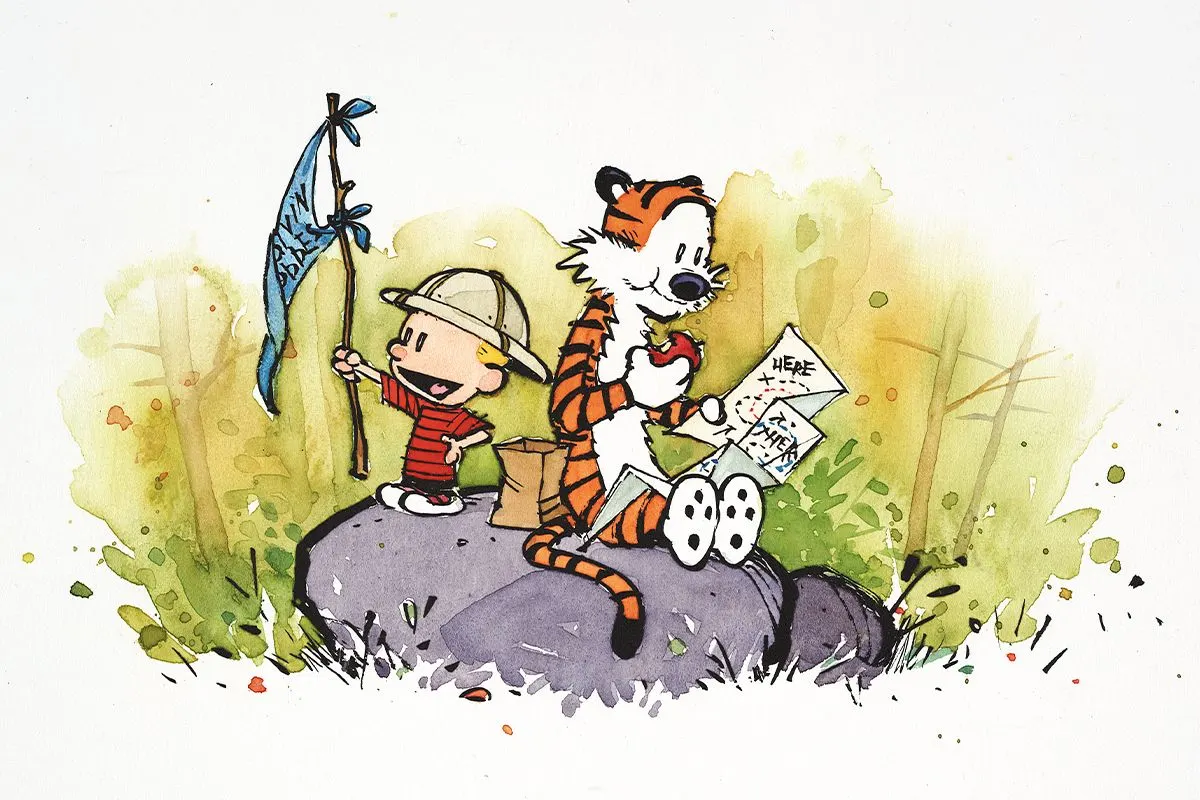
The article highlights three early Calvin and Hobbes storylines from the 1980s that demonstrate Bill Watterson’s exceptional humour, emotional insight and imaginative storytelling. It argues that although the strip evolved significantly after Watterson’s first sabbatical, its essential strengths—strong characterisation, inventive formats and thoughtful reflections on life—were present from the beginning.
The examples include a burglary storyline exploring the loss of security and the uncertainty of adulthood; a 1989 cereal promotion in which Calvin’s excessive anticipation turns a propeller beanie into a disappointing reality; and a 1988 story where Calvin and Hobbes travel to Mars, only for Calvin to reconsider his plan after experiencing isolation and encountering a Martian. Together, the stories show how Watterson transformed everyday childhood experiences into comedy with broader observations about vulnerability, disappointment and the desire to escape.
In short
- Early Calvin and Hobbes already showed Watterson’s creative brilliance.
- Ordinary childhood disappointments become memorable comic stories.
- The strip balances imaginative humour with thoughtful reflections on life.
Explained simply
Calvin and Hobbes is a comic strip that appeared in newspapers from 1985 to 1995, telling stories of Calvin, a six-year-old boy, and Hobbes, his stuffed tiger who comes alive in Calvin's imagination. The strip was praised for blending silly, youthful humour with deeper reflections on childhood, friendship and the nature of growing up.
Bill Watterson created the strip during the golden age of newspaper comics and became one of the medium's most respected artists. He famously refused offers to commercialise Calvin and Hobbes through merchandise and licensing, preferring to end the strip when he felt creatively complete rather than let it decline.
Though the strip ended decades ago, it remains widely read and analysed by readers and critics. Its stories continue to resonate because they work simultaneously as children's entertainment and as thoughtful explorations of human experience, making even the earliest episodes worth reconsidering.