Culture news and discussion on TalkFuse.
Delivery drones could be waiting before you even order
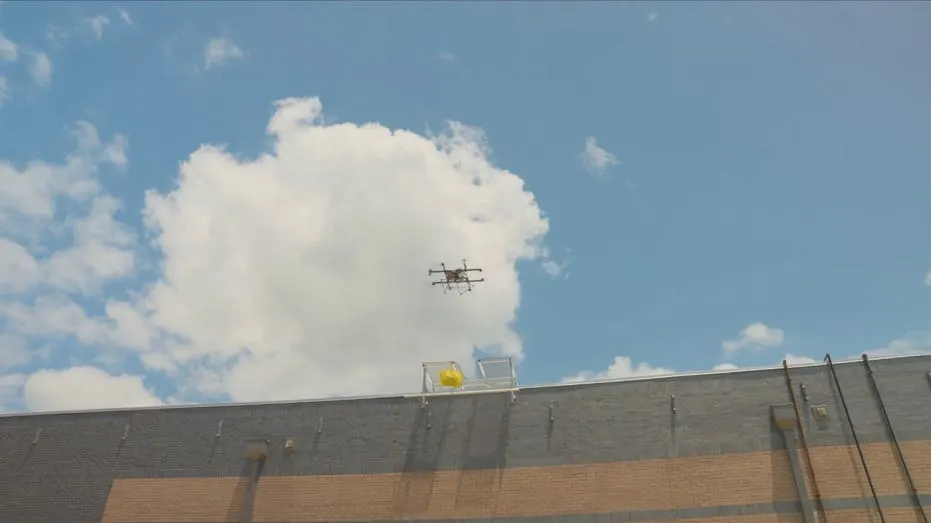
Flytrex is launching a predictive drone delivery system in Dallas-Fort Worth that positions aircraft on restaurant rooftops before customers order, using artificial intelligence to anticipate demand. This approach streamlines the delivery process by eliminating the need to dispatch drones after orders arrive, addressing what the company identifies as a key bottleneck in food delivery logistics.
The system uses machine-learning models to analyse past demand patterns, location data and time of day to predict which restaurants will experience busy periods. Flytrex claims the new Rooftop Dock system reduces delivery costs by 60% and cuts customer delivery times in half by eliminating unnecessary trips from central locations and streamlining the handoff between kitchen and aircraft.
In short
- Flytrex pre-positions drones at restaurants using AI before orders arrive.
- System could cut delivery costs by 60% and delivery times in half.
- Drones wait on rooftop docks, reducing the kitchen-to-aircraft handoff time.
Steelman: both sides, in good faith
The strongest fair case each way — we don't pick a winner.
The case for
This represents genuine technological progress that could improve urban logistics significantly. By using data-driven prediction to position resources efficiently, Flytrex reduces unnecessary trips and optimises resource allocation; the claimed 60% cost reduction and 50% faster delivery translate to meaningful benefits for consumers through lower prices and better service. Fewer overall drone trips could reduce the environmental impact compared to traditional vehicle delivery, helping cities transition towards cleaner last-mile delivery infrastructure.
The case against
Whilst efficiency gains are valuable, this system raises legitimate concerns about urban deployment and privacy implications. Tracking delivery patterns to predict demand requires collecting detailed data about when and where people order food, creating persistent surveillance infrastructure in cities. There remain unresolved questions about drone safety in densely populated areas and whether prediction algorithms will perform reliably across varied urban environments, and the technology threatens employment for delivery workers without clear plans for their transition.
Explained simply
Drone delivery is an emerging technology where companies are testing unmanned aircraft to deliver food and packages instead of traditional couriers. Most existing systems dispatch a drone only after a customer places an order, creating delays whilst the aircraft travels from a central location. Companies are exploring ways to speed up this process and reduce associated costs.
Flytrex is trialling a different approach in Dallas-Fort Worth by positioning drones on restaurant rooftops before customers order. Using machine-learning analysis of historical demand patterns, the company predicts which restaurants will be busy and pre-positions aircraft near likely delivery locations. When an order arrives, a drone is already nearby rather than having to travel from a distant base.
Flytrex claims the system reduces delivery costs by about 60 per cent and cuts customer delivery times in half. This is achieved because pre-positioned aircraft eliminate unnecessary trips from central locations to restaurants. The system also streamlines the handoff between kitchen and aircraft.