Entertainment news and discussion on TalkFuse.
Nintendo Should Make More Games About People
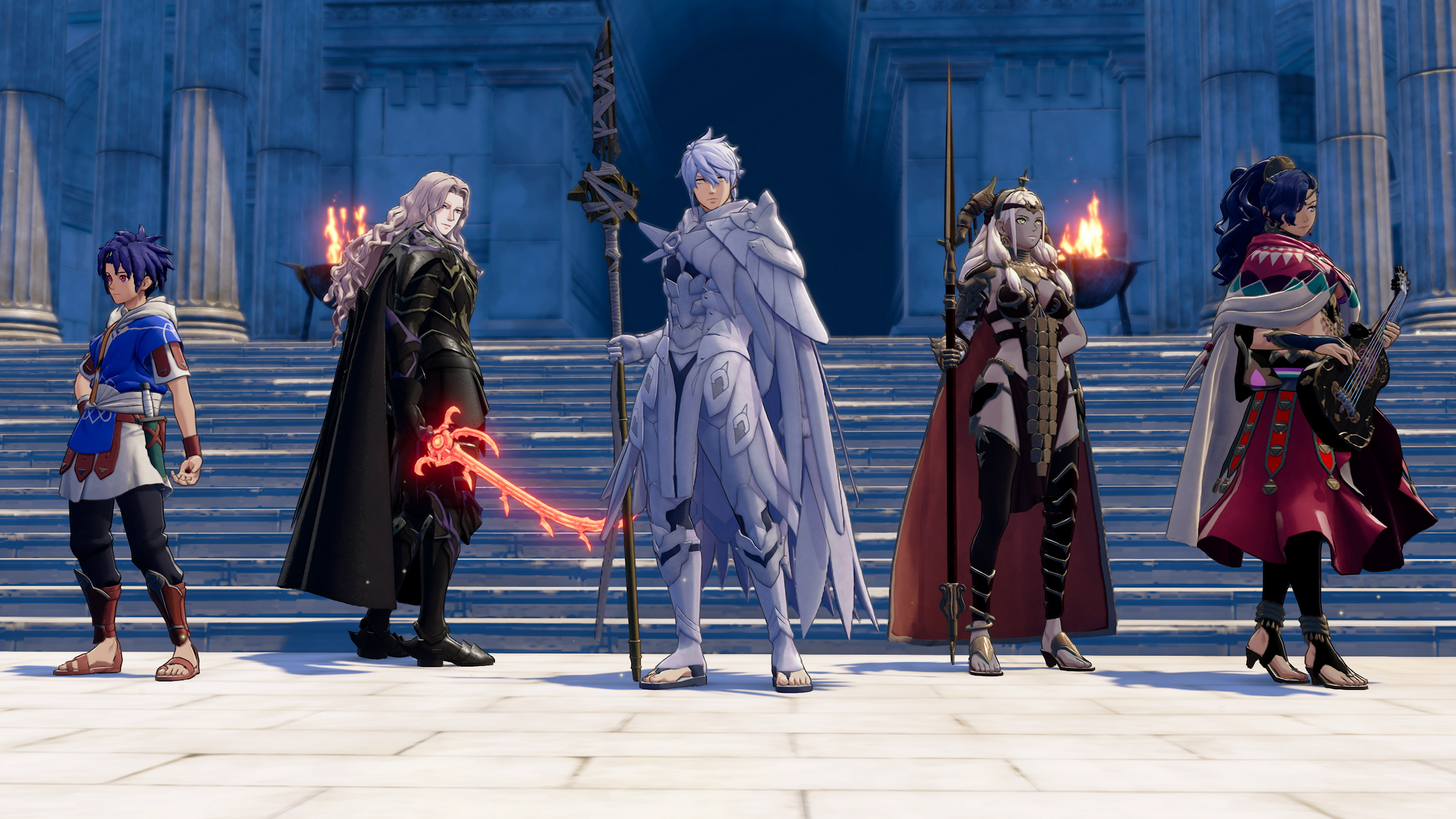
The article argues that Nintendo should make more games centred on complicated, recognisably human characters, using Fire Emblem: Fortune’s Weave as a strong example. Although the writer has not played it, coverage suggests the game’s character-driven relationships, personal motives and emotional specificity have inspired unusually intense engagement from players.
Fortune’s Weave follows heroes with individual agendas competing in a wish-granting gladiatorial tournament, allowing players to pursue different paths and replay chapters. Its flexible design supports contrasting approaches to recruitment and progression, while its focused support conversations reportedly deepen characterisation despite offering fewer options than earlier games; the article contrasts this emotional richness with Nintendo’s generally more restrained treatment of human relationships, and briefly recommends an upcoming Metroidvania by Kyle Thompson.
In short
- Fortune’s Weave makes character-driven storytelling central to its appeal.
- Its relationships are unusually specific, emotional and sex-positive.
- The article calls for more emotionally messy Nintendo games.
Steelman: both sides, in good faith
The strongest fair case each way — we don't pick a winner.
The case for
The success of Fire Emblem: Fortune's Weave demonstrates clear player demand for character-driven experiences within Nintendo's own franchises. Games with emotionally resonant, complicated human characters inspire deeper engagement and replay value; if Nintendo expanded this approach across more properties, they could capture this enthusiasm whilst maintaining their design excellence. The evidence suggests players increasingly crave meaningful relationships and personal stakes alongside compelling gameplay.
The case against
Nintendo's historical success stems from prioritising gameplay innovation and accessible design over complex narrative, a philosophy that has proven commercially and artistically sound across generations. Not every game benefits from character-driven focus—action platformers, puzzle games, and multiplayer experiences thrive with restrained storytelling. Pursuing more character-heavy games could dilute Nintendo's distinctive identity and divert resources from gameplay design, their genuine competitive advantage, rather than necessarily broadening their appeal.
Explained simply
This article argues that Nintendo, the video game company, should create more games centred on complex, recognisable human characters. Nintendo's existing games typically handle character relationships in a more restrained way, but the article suggests the company could learn from a different approach.
Fire Emblem: Fortune's Weave, a strategy game in one of Nintendo's existing franchises, is presented as an example of character-focused design. The game features heroes competing in a tournament, each with their own personal motivations. Conversations between characters deepen their personalities and relationships, and players have responded intensely to this approach.