Entertainment news and discussion on TalkFuse.
The 10 best horror movie jump scares of the 1970s
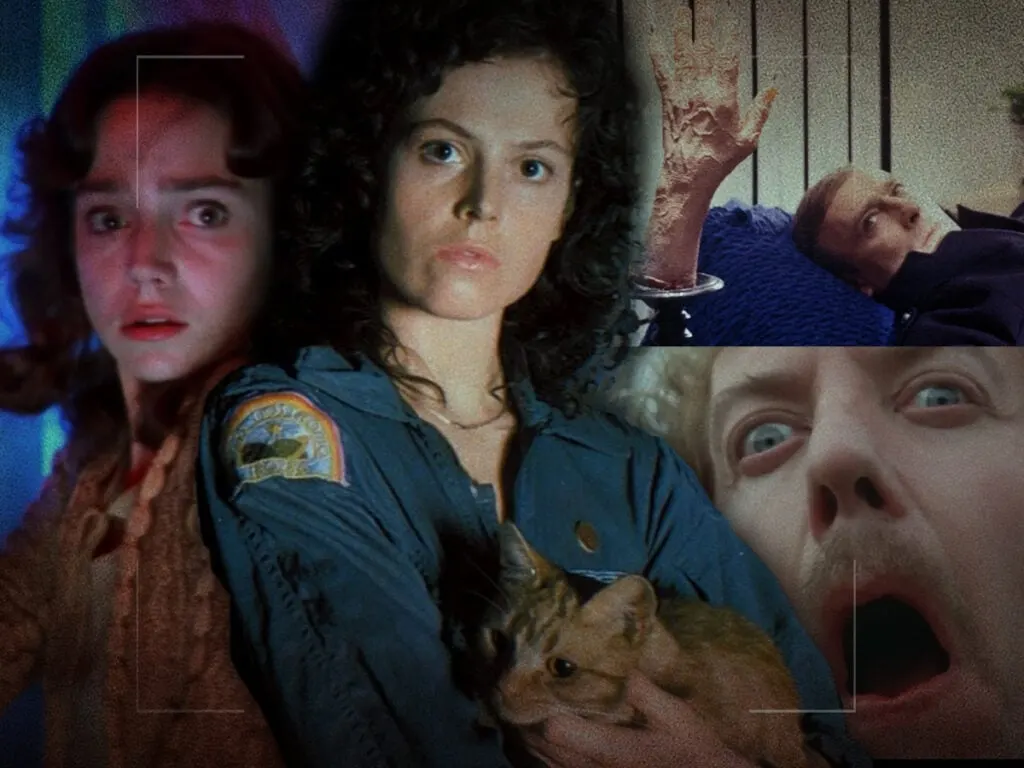
This article explores acclaimed jump scares from 1970s horror films, arguing that the technique can be an artfully executed tool rather than lazy filmmaking. The piece challenges the notion that jump scares are a modern invention, tracing their use back to 1942, and credits the 1970s renaissance in horror to studios willing to back experimental directors and the decade's political unease providing rich thematic material.
The article examines several films' approach to the technique: The Wicker Man demonstrates restraint and psychological tension with selective shocks; The Exorcist features the famous spider-walk scene that crystallises the protagonist's corruption; and The Texas Chain Saw Massacre uses Leatherface's sudden appearance to shock whilst maintaining a moody, disconcerting atmosphere. Each film illustrates how jump scares can enhance thematic meaning when deployed strategically rather than as mere sensory bombardment.
In short
- Jump scares are an effective horror tool when used artistically, not just cheap thrills
- The 1970s saw horror flourish as studios embraced new directors and creative ambition
- Iconic films like The Exorcist and The Wicker Man exemplify strategic scare deployment
Steelman: both sides, in good faith
The strongest fair case each way — we don't pick a winner.
The case for
Jump scares in 1970s horror, when executed with artistic intention by skilled directors, functioned as legitimate storytelling devices that could embody thematic meaning and create visceral cinematic experiences. These techniques worked in concert with psychological atmosphere and narrative structure rather than replacing them; they expanded horror's expressive range and allowed audiences to experience their characters' terror physically, deepening the films' explorations of corruption, madness, and evil.
The case against
However technically accomplished, jump scares fundamentally rely on triggering unconscious startle reflexes rather than engaging viewers' conscious understanding or sustained emotional investment. The most artistically substantive horror operates through psychological dread, thematic complexity, and intellectual unease; emphasising the startle mechanism, even strategically deployed, privileges immediate sensory impact over the deeper terror that emerges from contemplating genuine darkness and wrestling with a film's moral and psychological questions.
Explained simply
Jump scares—sudden shocks designed to frighten viewers—are often dismissed as lazy tricks belonging to modern films. However, filmmakers have been using such moments since at least 1942, and the 1970s saw a distinctive wave of the technique. This article examines some of the decade's most acclaimed horror films to argue that jump scares can be thoughtfully deployed tools rather than merely cheap shocks.
The 1970s represented a significant period for horror cinema, as major studios backed experimental directors and audiences responded to films tapping into the era's political anxieties and social tension. Films such as The Exorcist, The Wicker Man and The Texas Chain Saw Massacre became defining works of the period, each developing distinctive approaches to building fear.
The article contends that when deployed strategically, jump scares in these films serve their stories' deeper thematic purposes rather than functioning as sensory bombardment. By examining how these 1970s classics employed the technique, the piece challenges the common assumption that jump scares are necessarily indicators of poor filmmaking.