Video games news, releases, esports and culture — all the biggest gaming stories in one place.
The Elder Scrolls Online’s devs are pushing through hard times after layoffs and delays: ‘We didn’t want to rush to just hit a date’
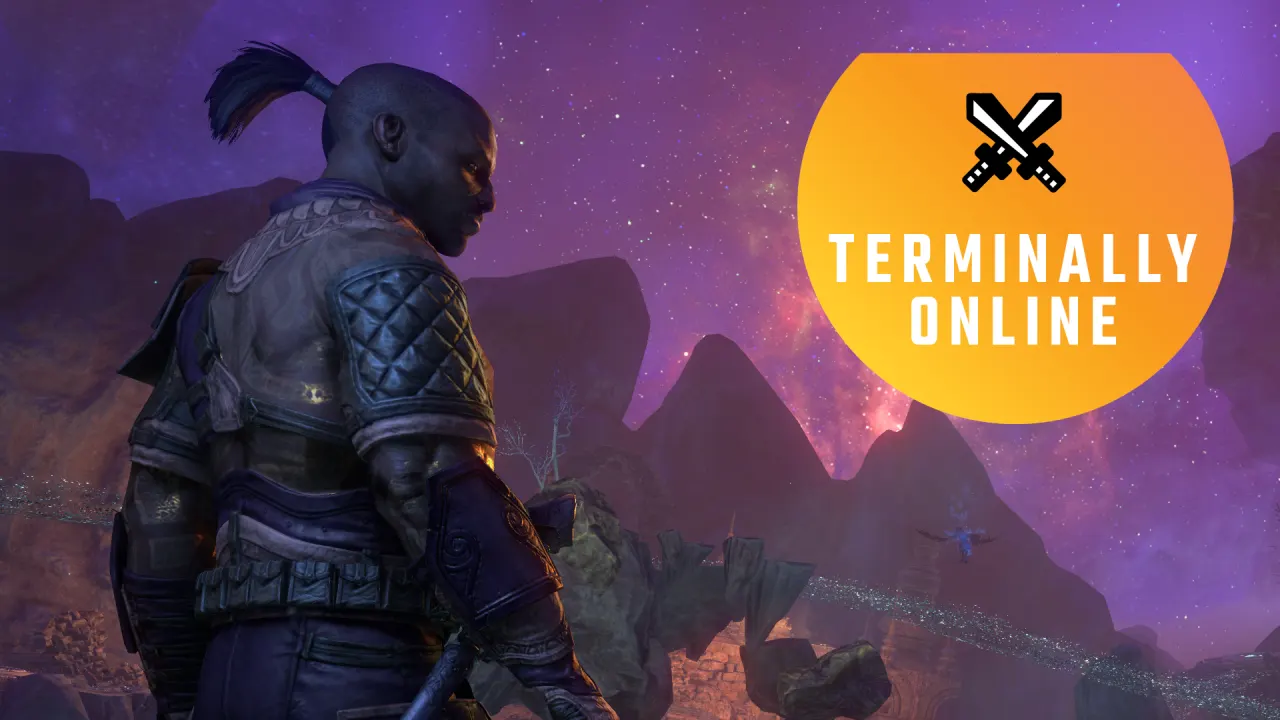
ZeniMax Online Studios is continuing development of The Elder Scrolls Online despite layoffs, cancelled work and delays affecting its plans. Studio leaders say the team is focused on maintaining the game’s long-term future and would rather postpone content than release it before it is ready, reflecting the pressure created by reduced staffing and changing priorities.
The article describes a difficult period for the studio, including Microsoft-related job cuts and delays to planned updates and features. Developers say the team is still committed to ESO and its community, but acknowledge that development is taking longer and that the game’s release schedule may need to become more flexible.
In short
- ESO development continues despite layoffs and delays.
- Planned content may arrive later than expected.
- Developers prioritise quality over fixed release dates.
Steelman: both sides, in good faith
The strongest fair case each way — we don't pick a winner.
The case for
When studios face significant financial or strategic pressures, difficult restructuring decisions sometimes prove necessary to ensure long-term viability. By being transparent about constraints and refusing to rush content to meet arbitrary deadlines, ZeniMax Online is prioritising genuine product health over short-term metrics. This approach demonstrates responsible stewardship of constrained resources and respect for both the team's realistic capacity and the community's legitimate preference for polished updates over frequent but unfinished releases.
The case against
The layoffs and delays suggest underlying mismanagement or poor strategic planning—a well-run studio typically avoids reaching a crisis point requiring significant workforce reductions. Beyond the human cost to affected workers, redundancies reduce development capacity precisely when the studio claims commitment to the game's future. Whilst quality over haste is sensible, framing delayed content as a virtuous choice obscures that players ultimately receive less support owing to business decisions that better foresight might have prevented.
Explained simply
The Elder Scrolls Online is a multiplayer role-playing game set in a fantasy universe where thousands of players explore together, complete quests and engage in battles. It has built a substantial player base since its launch over a decade ago, with its developer ZeniMax Online Studios regularly delivering new content and features to keep players engaged. The game is owned by Microsoft and remains a significant part of the company's video game portfolio.
ZeniMax Online Studios has undergone significant layoffs as part of cost-cutting across Microsoft's video game division. These job losses have reduced the studio's workforce, which directly affects how quickly the team can develop new features and content. As a consequence, The Elder Scrolls Online is experiencing delays to its planned updates, and the studio has had to reassess its development schedule.
Significant job losses force studios to reassess their priorities and make difficult choices about which projects to maintain and which to adjust. For The Elder Scrolls Online, this means balancing player expectations for regular content updates with the reality of operating with a reduced team. The studio's current situation reflects broader challenges affecting video game companies across the industry as they navigate financial pressures and changing business priorities.