Entertainment news and discussion on TalkFuse.
10 movie characters from 1986 that could never exist today
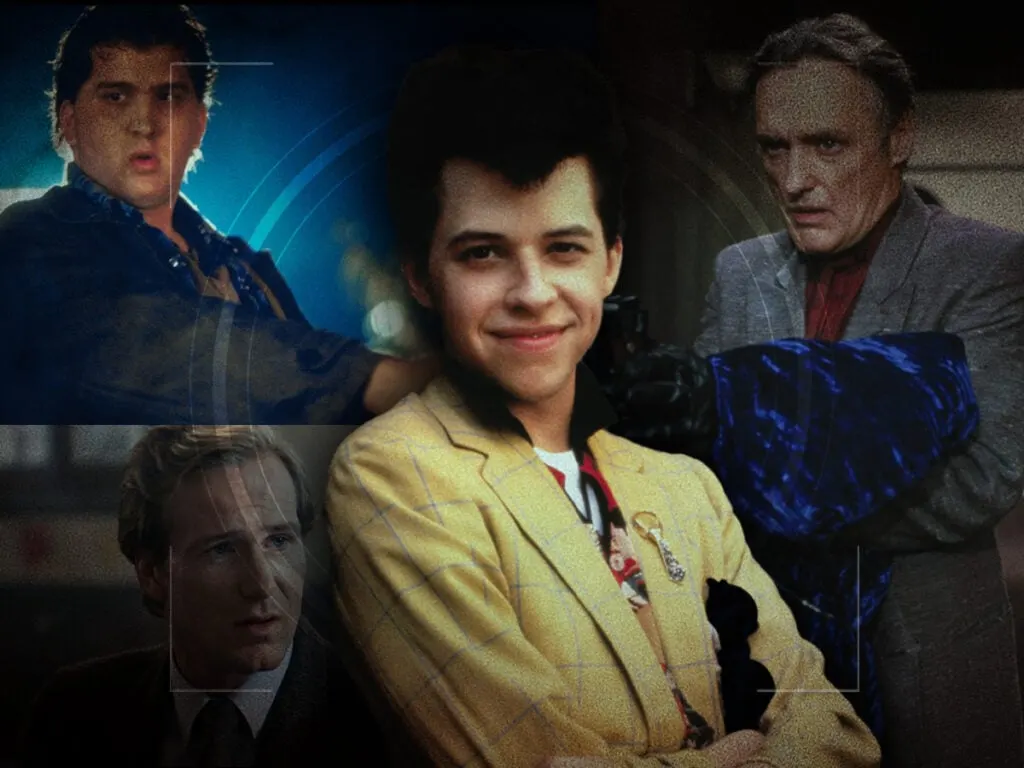
The article argues that several celebrated 1986 film characters would be unlikely to appear in comparable films today, not because modern technology limits filmmakers, but because cultural attitudes, casting practices and audience expectations have changed. It contrasts enduring figures such as Pete Mitchell, Ferris Bueller, Ellen Ripley and Mr Miyagi with characters whose themes, performers or production circumstances would now be harder to imagine.
– Frank Booth in *Blue Velvet*: Dennis Hopper’s sadistic villain marked a major comeback, despite concerns about his sobriety and the possibility of casting Willem Dafoe instead. – George in *Mona Lisa*: Bob Hoskins led a sensitive erotic gangster drama that might now be developed as prestige television, amid reduced mainstream interest in onscreen sex. – James Leeds in *Children of a Lesser God*: The hearing teacher’s sympathetic portrayal would likely face greater scrutiny today, particularly given the film’s power dynamics and Marlee Matlin’s later allegations against William Hurt. – The article also highlights major 1986 performances by Tom Cruise, Matthew Broderick, Sigourney Weaver, Paul Newman, Leonard Nimoy and Pat Morita, whose characters have remained culturally influential.
In short
- 1986 produced characters shaped by different cultural and industry conditions.
- Some controversial roles and films would face greater scrutiny today.
- Casting, audience tastes and television’s growth have changed the possibilities.
Steelman: both sides, in good faith
The strongest fair case each way — we don't pick a winner.
The case for
These shifts represent genuine ethical progress in how cinema is produced. By being more thoughtful about casting practices, power dynamics, and narratives—particularly involving vulnerable performers—the industry has become more considerate of dignity and consent. Modern filmmaking remains artistically excellent whilst reflecting these evolved values about how stories should be made and funded.
The case against
These changes risk excessive caution that restricts artistic expression and redemption opportunities. Complex characters and morally difficult narratives are essential to compelling cinema, and permanent industry exclusion for struggling artists is disproportionate to recovery and second chances. Audiences are capable of engaging with challenging content; some of the most vital art emerges from exactly this kind of creative risk-taking.
Explained simply
A film analysis piece examines why several celebrated characters from 1986 Hollywood films would be harder to make in modern cinema, despite technological advances. The argument focuses not on what filmmaking technology allows, but on how shifts in cultural attitudes, casting practices and audience expectations have changed what stories are greenlit and how characters are developed.
The analysis points to specific examples where a 1986 film's circumstances would be difficult to replicate today. Dennis Hopper's comeback role as a sadistic villain in Blue Velvet came at a particular moment in his career, Bob Hoskins starred in a gangster drama centred on adult themes that might now be developed as prestige television, and Children of a Lesser God featured a hearing teacher whose relationship with another character involved power dynamics that would attract greater scrutiny in modern filmmaking. Meanwhile, other 1986 characters like Ferris Bueller, Ellen Ripley and Mr Miyagi have endured as culturally significant figures.
Understanding these shifts in industry practice matters because it demonstrates the gap between technological capability and cultural permission. The piece argues that what appears commercially viable in one era reflects the specific attitudes of that time, with those values and expectations changing substantially across decades.