Culture news and discussion on TalkFuse.
James Gray rejects overt political lessons in cinema
Developed over time first seen 2 months ago
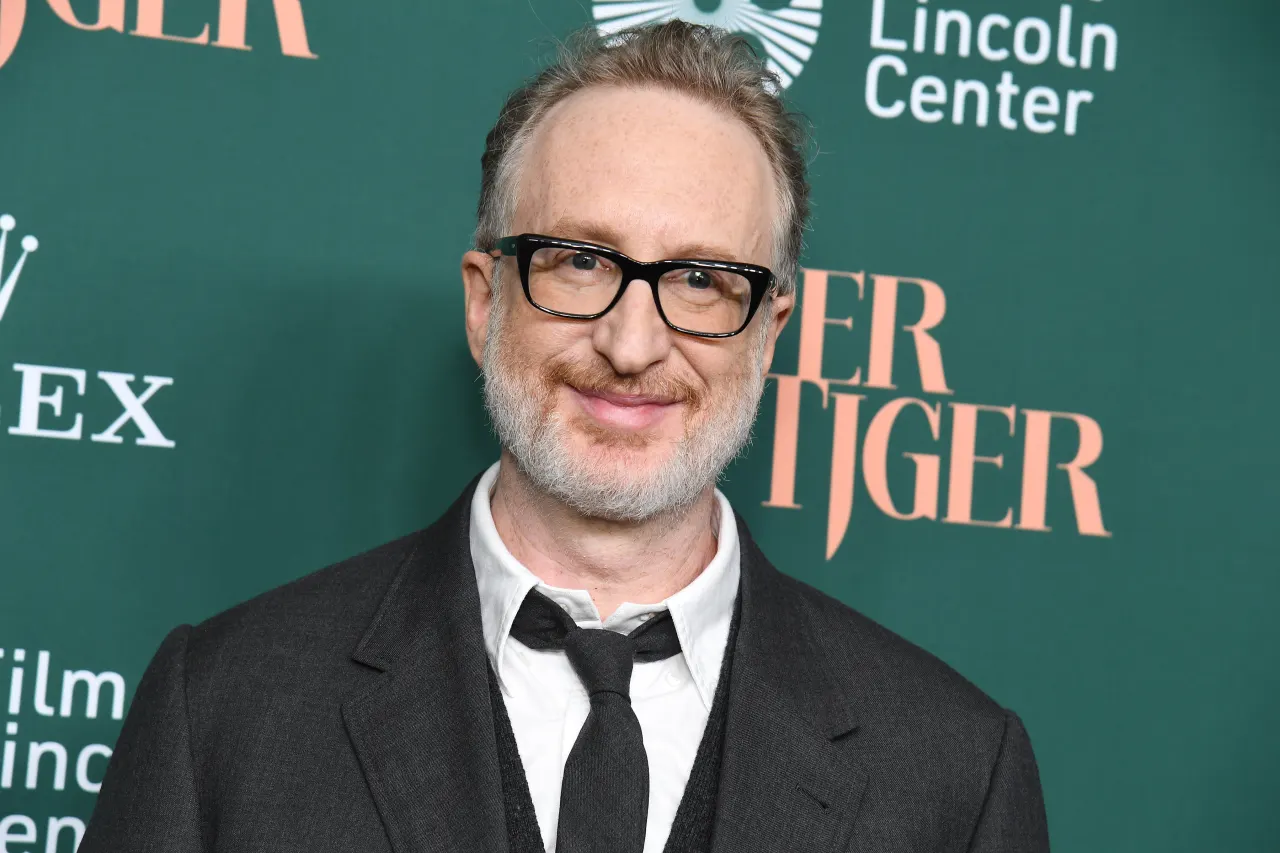
James Gray says he does not want to preach politics through his films, arguing that cinema should communicate through subtext rather than explicit lessons. At the New York Film Festival premiere of “Paper Tiger”, he said art is not “Sunday school”, although the film has acquired unexpected political associations after Donald Trump began using “paper tiger” to describe Russia.
Gray said the film was written and completed before Trump adopted the phrase, calling the coincidence “half frightening” and “weirdly flattering”. The crime drama stars Adam Driver as a former police officer who draws his younger brother, played by Miles Teller, into trouble with Russian mobsters, while Scarlett Johansson plays the brother’s wife after a sudden illness diagnosis; the story also reflects Gray’s interest in family, vulnerability and systems that can overwhelm ordinary people.
- Sources
- 2
- Outlets
- 2
- Left · Centre · Right
- 0 · 0 · 0
In short
- James Gray rejects overt political preaching in cinema.
- “Paper Tiger” coincidentally echoes Trump’s description of Russia.
- The film explores family, vulnerability and institutional danger.
How this story developed
- 2 months ago Gray added that the film grew from a planned sequel about his mother’s death into a story about his father’s conviction, declined to say whether Trump was a “paper tiger”, and saw its premiere coincide with Volodymyr Zelenskyy announcing Trump’s peace initiative.
- 2 months ago At the New York Film Festival premiere, Gray said the film had been completed before Trump adopted the expression, describing the coincidence as “half frightening” and “weirdly flattering” while defending his preference for political subtext.
- 2 months ago James Gray’s crime drama “Paper Tiger” follows a former police officer who draws his brother into a dangerous deal with Russian mobsters, while its title has gained political overtones after Donald Trump used the phrase for Russia.
Full account
James Gray has said he does not want Paper Tiger to deliver an explicit political message, arguing that films work best when ideas are conveyed through subtext rather than instruction. Speaking around the film’s New York Film Festival premiere, the director compared overt political filmmaking with a classroom debate and said art should not function like Sunday school. His comments place the crime drama within a wider view of cinema as something that can engage with politics without turning into a lecture.
The film has nevertheless acquired an unexpected political association through its title. Paper tiger is a centuries-old expression for a figure that looks powerful but is ultimately ineffectual, and Donald Trump has used it when discussing Russia’s war in Ukraine. Gray said he wrote and filmed his story before Trump adopted the phrase in that context, describing the coincidence as both unsettling and, in a strange way, flattering. In the film, a family’s dealings with Russian criminals lead its characters to underestimate the danger posed by people they initially regard as blusterers.
Paper Tiger follows brothers Gary and Irwin, played by Adam Driver and Miles Teller, after Gary draws Irwin into a risky business venture involving the Russian mob. The scheme disrupts Irwin’s suburban family life just as his wife Hester, played by Scarlett Johansson, faces a sudden illness. As with several of Gray’s earlier films, including The Yards and Armageddon Time, the story draws on personal and family history while using the conventions of a genre film. Gray originally considered developing it as a continuation of Armageddon Time centred on his mother’s illness, but the narrative moved towards the criminal consequences of his father’s experiences.
The Hollywood Reporter places greater emphasis on the film’s emotional and structural ambitions than Variety does. Gray told that outlet that Paper Tiger is not a direct sequel to Armageddon Time and is less closely tied to fact, with a more heightened, Hitchcock-influenced intensity. He also described the film as a story about love, family connection and the possibility of catharsis, while defending its unresolved ending as a way of allowing the characters’ lives to continue beyond the screen. Variety, by contrast, focuses more heavily on Gray’s reluctance to preach and on the coincidental political meaning of the title. Both accounts present the film as a personal family drama filtered through crime-thriller conventions, but they give different weight to its political echoes and its emotional design.
Where outlets differ
From the full account, which is AI-written from the sources:
Variety foregrounds Gray’s opposition to overt political preaching and the coincidence involving Trump’s use of “paper tiger”. The Hollywood Reporter concentrates on the film’s semi-autobiographical origins, its emphasis on personal relationships and its open-ended conclusion. The outlets also differ slightly in framing the relationship with Armageddon Time: Variety reports that the project was initially conceived as a sequel, while The Hollywood Reporter stresses Gray’s view that the finished film is not a sequel and is less faithful to real events.
Explained simply
James Gray is a filmmaker known for crime dramas and personal storytelling. His new film "Paper Tiger" follows a former police officer who becomes entangled in a dangerous criminal scheme involving Russian mobsters, whilst his brother and the brother's ailing wife are drawn into the consequences. The cast includes Adam Driver, Miles Teller, and Scarlett Johansson, and the story draws from Gray's own family experiences, particularly around crime and loss.
The phrase "paper tiger" originates from Chinese communist leader Mao Zedong and describes something that appears intimidating on the surface but is actually weak or fragile underneath. Gray's film uses this concept to explore how ordinary American families can be overwhelmed by circumstances beyond their control, especially through entanglement with organised crime. The phrase has recently entered political discourse, though Gray completed the film before such usage became prominent, making the thematic overlap coincidental.
Gray has stated he deliberately avoids heavy-handed political messaging in his work, believing cinema operates most powerfully through implication and subtlety rather than explicit instruction. He views meaningful filmmaking as an art form that should invite audiences to form their own conclusions, rather than imposing a particular viewpoint. This reflects a broader perspective about the difference between cinema as art and cinema as didactic instruction.
Coverage · 2 sources
Art Celebrity Culture Entertainment Film
Read the full article at the source →
Originally published by Variety as “‘Paper Tiger’ Director James Gray Says He Doesn’t ‘Want to Preach’ Politics To Audiences: ‘Art Is Not Sunday School’”.