Entertainment news and discussion on TalkFuse.
“I Can Promise You, We Had No Idea That ‘Obsession’ Was Going To Become ‘Obsession’”, Says Hit Horror Film’s Seller — Zurich Summit
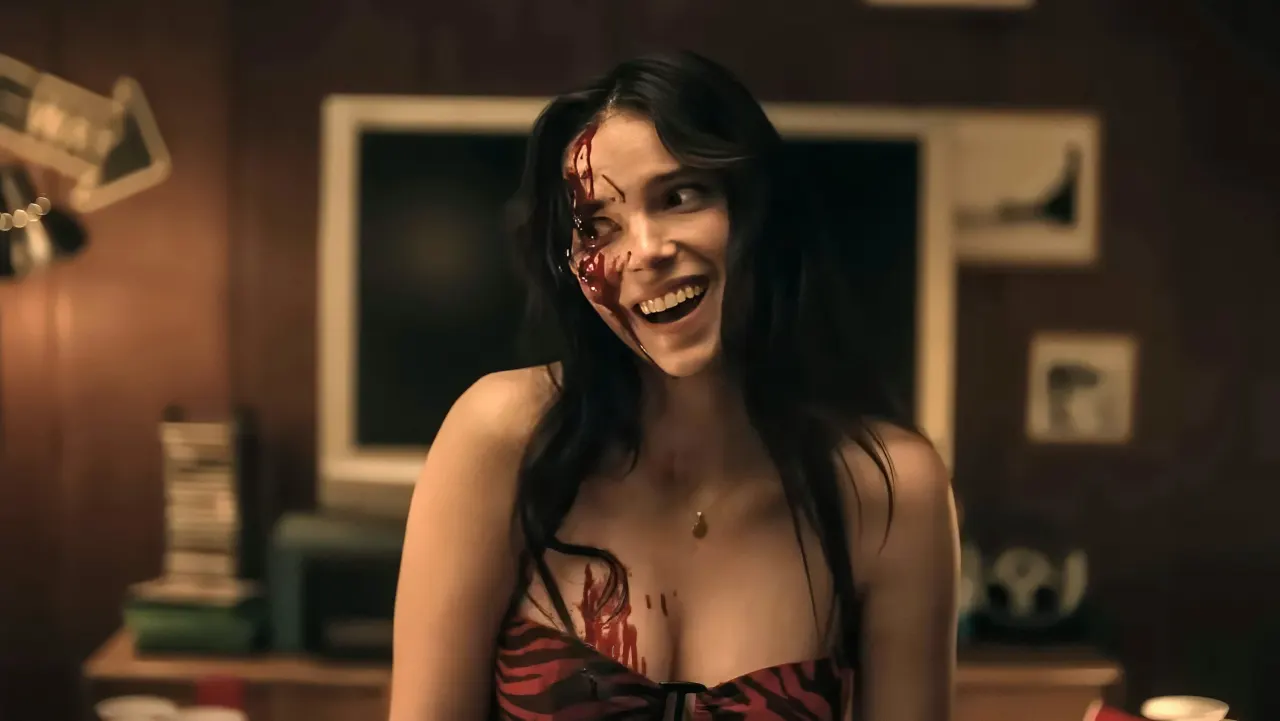
Industry executives and filmmakers at the Zurich Summit said the huge success of horror films Obsession and Backrooms had exceeded everyone’s expectations. CAA’s Roeg Sutherland said the team selling Obsession believed in the film but could not have predicted its extraordinary performance, arguing that backing the filmmaker matters more than relying solely on established intellectual property or genre.
Obsession was sold to Focus for about $14 million and earned $264 million in the US and $520 million worldwide from a $1 million budget. Backrooms, directed by 20-year-old Kane Parsons, grossed approximately $400 million globally on a $10 million budget, despite uncertainty over its appeal beyond creepypasta fans. Executives also linked the films’ success to a record $4.7 billion US summer box office and growing audience demand for authentic, irreverent and unexpected cinema.
In short
- Obsession became a surprise global horror hit.
- Backrooms earned $400 million worldwide.
- Filmmaker belief and audience appetite drove success.
Steelman: both sides, in good faith
The strongest fair case each way — we don't pick a winner.
The case for
These extraordinary successes demonstrate that audiences respond strongly to original, ambitious filmmaking from talented visionaries rather than formulaic intellectual property reliance. The impressive returns prove that backing filmmakers with distinctive creative vision can achieve both commercial success and the cultural authenticity audiences increasingly desire, suggesting that filmmaker talent and artistic vision matter more than defaulting to IP-dependent strategies for industry success.
The case against
Whilst these successes are genuinely impressive, they should not obscure the economic reality that established intellectual property remains central to sustainable film industry operations. Most original films fail financially; franchises generate consistent, predictable returns and build lasting audience relationships, providing the profits studios need to fund riskier filmmaker-driven projects. The healthy industry model depends on both: franchises offering financial reliability, original works offering creative variety within sound business foundations.
Explained simply
Two recent horror films, Obsession and Backrooms, have become surprise box office hits, prompting industry executives to discuss what made them so successful. Obsession, distributed by Focus, earned over $500 million worldwide despite being made on a $1 million budget. Backrooms, directed by 20-year-old Kane Parsons, grossed around $400 million globally from a $10 million budget.
Executives at the Zurich Summit, an annual gathering of film industry professionals, were reflecting on these unexpected triumphs alongside a broader strong summer at the US box office. They noted that both films had performed far beyond what anyone had predicted when they were in development. The discussion highlighted how these projects managed to find massive audiences despite starting as relatively low-budget ventures.
Industry figures are arguing that the success of these films suggests audiences are increasingly hungry for authentic, original storytelling rather than films based on existing franchises or well-known characters. CAA's Roeg Sutherland argued that investing in talented filmmakers matters more than relying on recognisable brands. The films' performance suggests that strong creative work can still reach audiences worldwide, even without the marketing boost of an established name.
Entertainment Film Geopolitics Horror Politics