Massachusetts Lesbian Bar’s Mask Policy Reversal Becomes Viral Flashpoint
Developing story first seen 2 hours ago
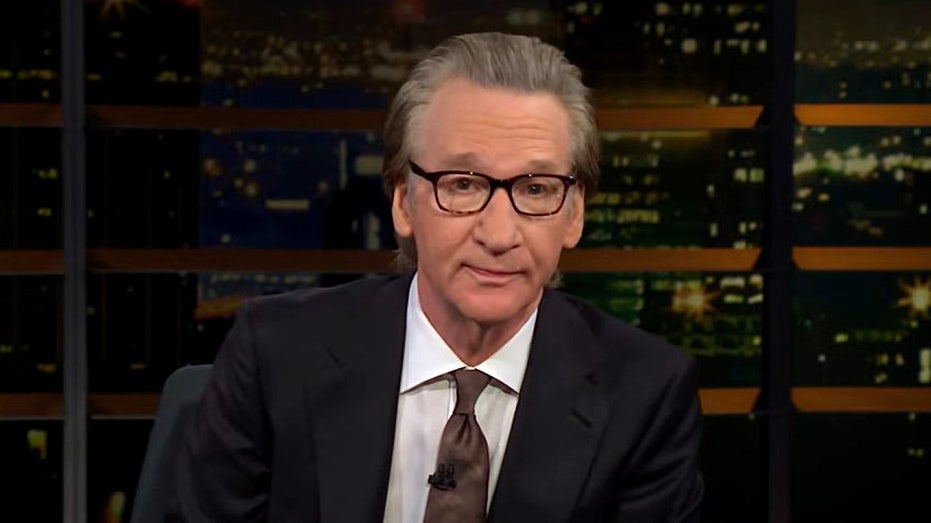
Comedian Bill Maher has now weighed in on the viral controversy surrounding Last Ditch Bar in Greenfield, Massachusetts, criticising far-left critics on his HBO show for attacking the struggling lesbian venue over its decision to make masks optional on Saturday nights. Maher highlighted the bar's financial difficulties—noting that the owners were welcoming to homeless patrons, allowed those unable to pay the cover charge to enter, and that one owner was living in their vehicle—and condemned the harsh rhetoric directed at the establishment, including statements wishing the venue harm and claiming the owners were killing disabled people.
The backlash emerged after the Boston Globe reported on the bar's August decision to lift its strict KN-95 mask mandate one night weekly, a change made to improve revenues. Community members raised objections at a September 11 meeting, with some criticising the choice of a White therapist as mediator and accusing the owners of prioritising leisure over disabled patrons' safety. Conservative commentators have since seized on the story as evidence of far-left intolerance, with critics noting the irony of strict COVID protocols remaining in place at a venue in 2026.
- Bill Maher criticises far-left backlash to a lesbian bar's mask-optional Saturday nights
- The venue made the policy shift due to severe financial hardship and struggling attendance
- Commentators highlight harsh community criticism and the ongoing presence of pandemic restrictions in 2026
New here? Start with this
Last Ditch Bar is a lesbian venue in Greenfield, Massachusetts that had maintained a strict mask requirement for patrons. In August, the owners decided to make masks optional on one night per week in an effort to increase revenue at the struggling establishment.
The policy change prompted objections from community members, particularly those concerned about disabled patrons. At a September 11 meeting, some raised concerns that the bar was prioritising financial recovery over accessibility for disabled people, leading to tensions about how to balance both needs.
The dispute highlights a wider tension between the bar's financial difficulties and concerns about disability access. The venue has a history of supporting marginalised people, including those experiencing homelessness, even as it faces significant economic pressure that led to the policy change.
Both sides, in good faith
The strongest fair case each way — we don't pick a winner.
The case for
The bar's owners face acute financial hardship whilst attempting to serve an important community space; making masks optional for a single evening per week represents a modest compromise rather than abandonment of safety measures. Disabled patrons continue to have full access to the venue throughout the week under strict mask protocols, and many members of the community—including those with health vulnerabilities—have developed individual risk assessments after years of pandemic experience. A struggling business attempting to sustain operations whilst already serving an unusually generous community role, including welcoming homeless patrons and those unable to afford entry, merits consideration when seeking necessary revenue through limited policy adjustments.
The case against
Disabled and immunocompromised people have legitimate claims to equal, unrestricted access to public community spaces without having to sacrifice either their health or their social belonging. A venue centred on LGBTQ+ community carries heightened responsibility to protect its most vulnerable members, particularly those with disabilities, who have historically been excluded from social participation; economic difficulty, however genuine, does not override accessibility obligations rooted in disability justice. Making masks optional rather than mandatory effectively forces disabled patrons to choose between self-protection and community participation, when alternative revenue models exist that do not compromise safety for those already marginalised within broader society.
Full account
Last Ditch Bar and Arts Venue, a lesbian establishment in Greenfield, Massachusetts, implemented a significant policy change in late August to address mounting financial difficulties. The venue, which had maintained a strict mask requirement throughout the coronavirus pandemic and operated on a sliding-scale entry fee that permitted patrons to attend regardless of ability to pay, announced it would designate Saturday evenings as mask-optional. The decision reflected serious economic strain, including circumstances in which one proprietor was living in a vehicle owing to the bar's mounting losses.
The announcement triggered substantial community opposition. During a public meeting on 11 September, numerous attendees voiced objections to the revised policy. Critics raised concerns about the implications for immunocompromised and disabled patrons, whilst others questioned the involvement of the bar's mediator, a White licensed therapist, suggesting this choice reflected insensitivity to racial dynamics within the venue's predominantly White and White-adjacent staff.
The Boston Globe's coverage, published on 22 September by journalist Annalisa Quinn, transformed the local dispute into a nationwide cultural moment. The article rapidly became one of the publication's most-read pieces to date, circulating extensively across social media platforms. The story attracted attention from entertainment industry representatives, with reports indicating that talent agency UTA fielded inquiries about potential film and documentary adaptations, suggesting the narrative's dramatic elements—a struggling proprietor and passionate community members—possessed commercial appeal.
The story subsequently featured in broader political discourse. Media figures used the episode to illustrate perceived ideological tensions, with commentary focusing variously on the bar's financial desperation, the community's response, or what different observers characterised as aspects of contemporary activist culture. The Boston Globe noted the account had generated thousands of new subscriptions, indicating the story's resonance extended well beyond the local context or initial media and entertainment interest.
Where outlets differ
Source 1 emphasises the media and entertainment adaptation angle, treating the story primarily as a journalistic success; Source 2 focuses on political commentary and the specifics of the bar's financial crisis and community conflict
Source 2 provides concrete details about the owner's living situation (truck) as evidence of financial distress; Source 1 uses vaguer language ('drowning in debt') without such specifics
Source 1 adopts a celebratory tone regarding journalistic impact; Source 2 adopts a critical tone toward community critics, using characterisations like 'far-left' and questioning their consistency
Source 2 emphasises the racial dynamics raised during the community meeting; Source 1 does not address this dimension of the conflict
Coverage
- The Hollywood Reporter — Viral Lesbian Bar Article From Boston Globe Is Piquing Hollywood’s Interest
- Fox News — Maher blasts ‘intolerant left’ after Massachusetts lesbian bar faces fury for tweaking COVID-era mask policy
Art Culture Entertainment Film Government Politics Trending Weird & Viral World