Technology news and discussion on TalkFuse.
‘Harry Potter’ Producer David Barron Backs AI Adaptation Of ‘The Call Of The Wild’
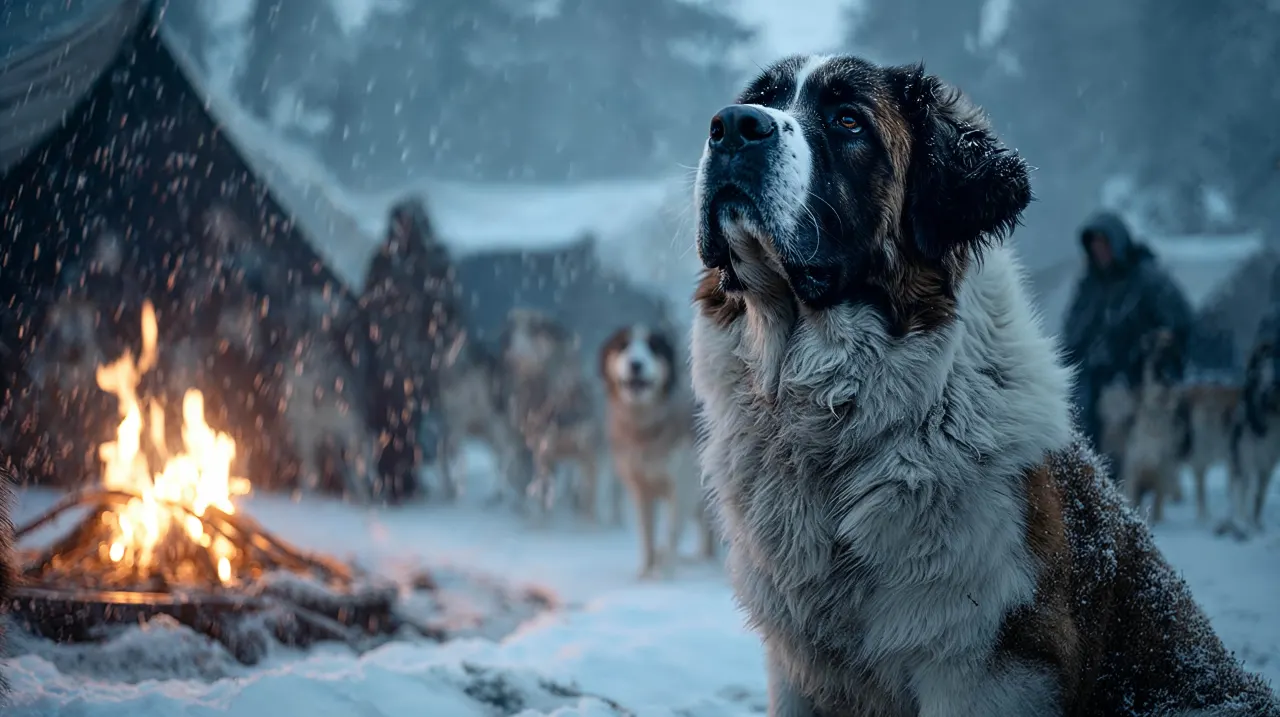
David Barron, a prominent British film producer with credits on six Harry Potter films, is entering the generative artificial intelligence sector by producing an AI adaptation of Jack London's 1903 novel The Call of the Wild. The film, written and directed by Simon Rumley and produced at nmatic studio, is being positioned as the first truly faithful cinematic adaptation of the novel because it will be told from the subjective perspective of Buck, the story's canine protagonist. Barron argues that technological advances have finally made it possible to realise London's epic vision on screen, which was previously logistically and financially prohibitive.
The Call of the Wild follows a pampered St. Bernard dog removed from his comfortable life in California's Santa Clara Valley and thrust into the brutal world of the 1890s Klondike Gold Rush, where he must adapt to his wild instincts. London's novel has been adapted for cinema multiple times, most recently in a 2020 film directed by Michael Green and starring Harrison Ford. The production team includes producers Barron, Mark Sandell and Nick Price, whilst Chris Catchpole, Carl Lyttle and Toby White head up the prompting and technical work at nmatic.
In short
- Harry Potter producer David Barron enters AI filmmaking with The Call of the Wild
- AI-generated film told from canine protagonist's perspective for first time
- Technology now makes London's epic vision financially and logistically feasible
Steelman: both sides, in good faith
The strongest fair case each way — we don't pick a winner.
The case for
AI could make a faithful, subjective portrayal of Buck practical in ways that earlier productions could not achieve, while reducing the logistical demands of depicting the novel’s harsh wilderness. If the filmmakers use it thoughtfully, the technology could open up new creative possibilities and bring London’s story to audiences in a distinctive form.
The case against
A highly synthetic production may lack the physical presence and expressive nuance that live action, trained animals and practical locations can give a story about a dog’s changing relationship with the natural world. Calling it the first truly faithful adaptation is also contestable: a subjective viewpoint is one interpretation of the novel, and using generative AI raises questions about creative choices and whose work the technology draws upon.
Explained simply
The Call of the Wild is a 1903 novel by Jack London following a pampered dog forced from his comfortable California home into the harsh wilderness of the 1890s Klondike Gold Rush. The book has been adapted for cinema several times, most recently in 2020.
David Barron is a prominent British film producer known for his work on six of the Harry Potter films. He is now entering artificial intelligence filmmaking by producing a new adaptation of The Call of the Wild. The filmmakers argue that AI technology now enables them to tell the story faithfully from the perspective of the dog, a narrative approach that was previously too expensive and technically challenging to attempt.
This project marks a major film producer's venture into AI-generated cinema. The adaptation is being written and directed by Simon Rumley and developed by nmatic studio, which specialises in AI filmmaking. According to the production team, technological advances have made it possible to overcome the logistical and financial barriers that previously made such an adaptation impractical.
AI Art Culture Entertainment Film Space Technology UK World