HMRC paid Capgemini at least £4.2bn despite pledge to switch suppliers
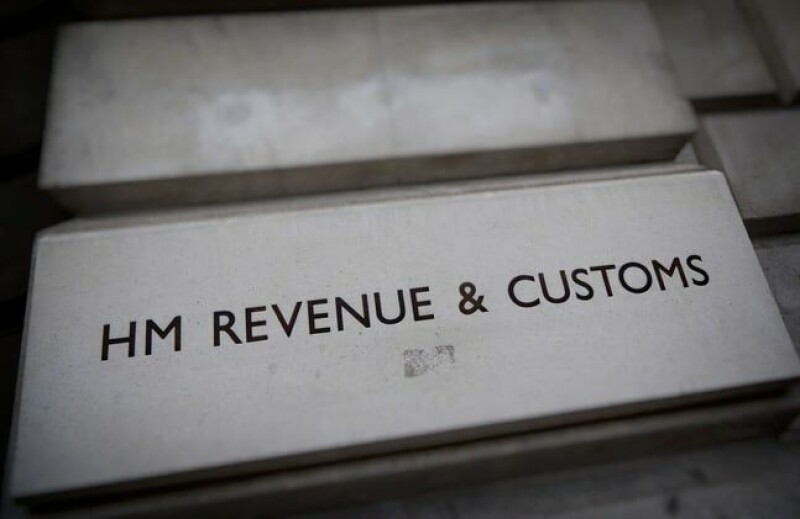
The UK tax authority HMRC has paid French technology company Capgemini at least £4.2 billion since 2014, despite publicly committing to dismantle their relationship and support British suppliers instead. This contradicts the government's recent pledge to use public spending to back British industry, highlighting the challenges of breaking long-standing commercial relationships. The arrangement, which could ultimately span 32 years, demonstrates how legacy contracts continue to dominate government procurement despite stated intentions to diversify.
Analysis by The Register of HMRC's published transactions reveals 15,726 payments to Capgemini between 2014 and July 2026, though the true total is likely higher due to missing data. The original Aspire contract, which began in 2004 as a ten-year arrangement, cost approximately £10 billion over thirteen years and accounted for 84 per cent of HMRC's technology spending. Despite a 2016 National Audit Office report criticising the contract as expensive and outdated, and HMRC's 2020 launch of a Technology Sourcing Programme promising to open its £900 million annual IT budget to diverse suppliers, Capgemini has continued winning contracts, including a recent £200 million deal for data warehouse migration awarded without competitive bidding.
- HMRC paid Capgemini £4.2bn since 2014 despite vowing to end relationship
- Original Aspire contract cost £10bn over 13 years; could span 32 years total
- Contradicts government's pledge to prioritise British suppliers in public spending
Both sides, in good faith
The strongest fair case each way — we don't pick a winner.
The case for
Government IT systems underpinning tax collection are critical national infrastructure where failures cause serious disruption and compliance risks. Capgemini possesses years of institutional knowledge embedded in HMRC's complex, interdependent systems that cannot be easily replicated; abruptly switching suppliers could jeopardise service continuity, security, and data integrity. Moreover, breaking established contracts risks substantial termination penalties and litigation costs that would ultimately waste more public money. A managed, phased transition to alternative suppliers—which the 2020 Technology Sourcing Programme reflects—is the pragmatic approach to reducing dependency without creating destabilising discontinuity.
The case against
HMRC made explicit public commitments to diversify its supplier base and break free from expensive legacy arrangements, yet has continued funnelling £4.2 billion to Capgemini whilst awarding contracts without competitive bidding. The 2016 NAO report already criticised the relationship as costly and outdated; six years of continued payments despite this finding demonstrates institutional inertia rather than genuine reform. Government procurement exists partly to support British industry and drive market competition; accepting indefinite lock-in to a single supplier wastes taxpayers' money and contradicts stated policy. True commitment to change requires difficult decisions and managed transition timelines, not passive acceptance of the status quo disguised as pragmatism.
Read the full article at the source →
Originally published by The Register as “HMRC vowed to break up with Capgemini then paid it another £4.2B”.