World news and discussion on TalkFuse.
US and China consider lower tariffs on $30bn of goods each
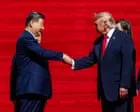
The US and China have each published lists of goods worth about $30bn that could receive lower tariffs, in a further effort to ease tensions after last year’s trade war. The move signals that the two countries are beginning to reduce some duties, but experts say it is limited and does not amount to a broad trade breakthrough.
The US list covers 77 categories, including bed linen, toasters and fish hooks; China’s list includes 1,619 types of US goods, from butter and lobster to MRI systems and breeding animals. No timeline has been set, and strategic products such as semiconductors, batteries and electric vehicles are excluded. The lists followed a Xi Jinping–Donald Trump summit that extended a wider trade truce by two months; US soya beans remain subject to an additional 10% Chinese tariff.
In short
- US and China plan tariff cuts on about $30bn of goods each.
- The lists focus on non-sensitive products, not strategic sectors.
- The move eases tensions but falls short of a trade reset.
Steelman: both sides, in good faith
The strongest fair case each way — we don't pick a winner.
The case for
These tariff reductions represent tangible progress in rebuilding the bilateral relationship after significant tensions. Both nations have signalled willingness to negotiate across hundreds of product categories, and the summit extension demonstrates sustained commitment to finding common ground. Incremental steps often build the trust and momentum necessary for broader agreements, with more sensitive sectors potentially addressed in future phases as relations stabilise.
The case against
The scope of these reductions remains narrow when set against the scale of US-China trade, and the deliberate exclusion of strategic sectors—semiconductors, batteries and electric vehicles—suggests negotiations avoid the most fundamental competitive concerns. Without a clear timeline and with previous trade war tariffs like those on American soya beans remaining unresolved, these moves risk being performative rather than substantive solutions to underlying structural tensions.
Explained simply
The United States and China are major trading partners, and tariffs are taxes on goods brought in from another country. Higher tariffs can make imported products more expensive and disrupt trade, so both governments use them as part of wider economic negotiations.
The trade war began when the two countries imposed tariffs on each other’s goods, alongside disputes over issues such as market access and technology. Donald Trump is the US president, and Xi Jinping leads China; their governments negotiate the terms of trade between the two economies.
Tariffs affect businesses that export or rely on imported materials, and can also influence prices for consumers. The goods involved range from household items and food to medical equipment, while some strategically important products remain outside these lists.
Americas Art Asia Business Culture World
Read the full article at the source →
Originally published by The Guardian as “Foie gras, live dolphins and toasters: China and US cut reciprocal tariffs on $30bn of goods”.