World news and discussion on TalkFuse.
Biden administration FAILED to vet thousands of Afghan refugees seeking US visas after fleeing the Taliban…with possible terrorism links missed, bombshell report finds
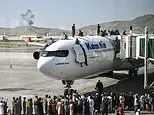
A Department of Homeland Security review has found that the Biden administration failed to properly vet thousands of Afghan refugees seeking asylum after the 2021 US military withdrawal from Afghanistan. The audit of 678 randomly selected applications discovered that 40 per cent contained errors, with particularly concerning gaps in security screening that may have allowed individuals with potential terrorism links to enter the country undetected.
The report identified 303 missed aliases across the files, 23 applications with missing security checks, and two cases where terrorism-related inadmissibility was not identified during processing. The flaws stemmed primarily from incomplete documentation and asylum officers failing to recognise spelling variations or aliases, though the investigation found no evidence that a 2023 court settlement expediting decisions for 20,000 Afghan evacuees made the problem worse. Republican lawmakers have highlighted the findings as a national security concern, pointing to subsequent arrests of Afghan refugees allegedly involved in plotting terrorist attacks and shooting incidents.
In short
- DHS failed to properly vet Afghan refugees; 40% of asylum files contained errors
- 303 missed aliases and two terrorism-related cases not identified during screening
- Republicans cite security failures amid arrests of Afghan refugees in alleged terror plots
Steelman: both sides, in good faith
The strongest fair case each way — we don't pick a winner.
The case for
The audit reveals systematic failures in Afghan refugee vetting, with 40 per cent of files containing errors, including 303 missed aliases and gaps in terrorism screening. Whilst incomplete documentation contributed to these mistakes, national security requires rigorous vetting standards, and the identified failures—particularly the two cases where terrorism inadmissibility went undetected—represent unacceptable gaps that could endanger American lives. The subsequent arrests of Afghan refugees on terrorism-related charges demonstrate these weren't merely administrative oversights but genuine security risks that slipped through.
The case against
Although the audit identifies processing errors, it lacks evidence these failures caused actual harm or that they represent a systemic collapse in security screening. The errors largely stemmed from incomplete source documentation and human processing mistakes rather than rushed corners; the expedited court settlement made no detectable difference. Most of the 78,000+ Afghan evacuees have successfully integrated, and the audit's discovery of these problems reflects working oversight mechanisms. Refugees fleeing the Taliban faced genuine persecution, and blanket security scepticism shouldn't undermine legitimate asylum protections for those who risked everything to aid American interests.
Explained simply
When the United States withdrew its military forces from Afghanistan in 2021, the Taliban swiftly retook control of the country. Many Afghans who had worked with American forces, as well as other vulnerable groups, fled the country and sought refuge in the United States. Over the following years, the US government processed asylum applications from thousands of these Afghan evacuees.
A recent audit by the Department of Homeland Security examined how thoroughly the government vetted these Afghan refugees when processing their visa and asylum applications. The review found that a significant proportion of the applications reviewed contained errors or gaps in security checks, including cases where officials failed to detect when the same person had used different names.
Security screening of refugee applicants is intended to protect national security by preventing individuals who might pose a threat from entering the country. The audit findings are significant because they suggest potential weaknesses in these safeguards during a period when large numbers of Afghan evacuees were being processed and admitted.